
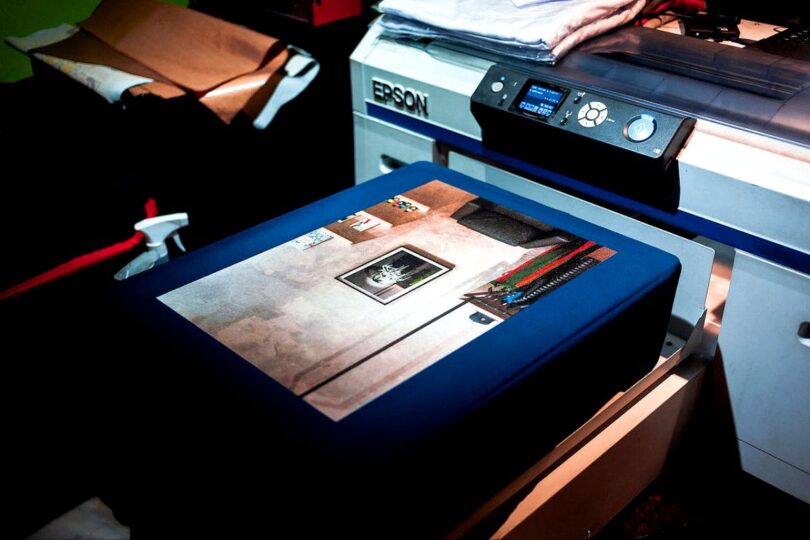

Choosing between digital and offset printing isn’t just a technical decision—it’s about making your campaign as effective and efficient as possible. Digital printing offers speed, flexibility, and personalization, while offset excels in large-scale, high-quality projects. Understanding the strengths of each helps you match the right method to your goals.
When to Choose Digital Printing
Digital printing excels when you require only a limited number of copies for your campaign. Imagine preparing flyers for a local event or a limited-run promotion—you don’t want to spend a lot on plates and lengthy setup processes. Digital technology keeps things affordable while still delivering sharp, professional-looking results.
According to specialists from Bryant Graphics, another reason to lean toward digital printing is speed. If you suddenly realize your campaign deadline is next week, you don’t have time for the lengthy preparation that offset printing requires. Digital printers can start almost immediately, which means you can go from design to final product in just a couple of days.
Personalization is another key strength that shouldn’t be overlooked. Digital printing lets you create tailored materials with ease, such as inserting a recipient’s name on a flyer or adding custom QR codes that track individual engagement. These personalized touches can make your campaign feel more direct and effective without adding much complexity.
Finally, digital printing offers flexibility when it comes to proofing. If you need to test how a new design looks in print, you can quickly get a small batch without draining your budget. Adjustments and reprints are straightforward, making this method especially useful for campaigns where design feedback is crucial.
When to Choose Offset Printing
Offset printing is most suitable when your campaign requires large quantities. For example, if you’re producing tens of thousands of brochures, the upfront setup costs are quickly balanced out by the lower per-unit price. Over time, the savings add up, making offset the smarter option for high-volume projects.
Beyond cost efficiency, offset printing also guarantees top-notch quality. The process produces crisp lines, vibrant colors, and consistent results across every copy. If you’re printing a company catalog or an annual report where your brand image must shine, offset ensures you’ll get flawless reproductions that reflect professionalism and attention to detail.
Offset printing also offers more flexibility with materials. Whether you want to use thicker cardstock, add glossy finishes, or incorporate metallic and Pantone inks, this method supports a broader range of options. That flexibility lets you experiment with eye-catching designs that stand out and leave a lasting impression on your audience.
Consistency is another key advantage of offset printing. When you need thousands of identical copies that look exactly the same, offset delivers. This is particularly important for large-scale branding efforts where uniformity matters—every poster, brochure, or postcard must carry the same high standard to reinforce your campaign’s identity.
Key Considerations for Campaigns
Balancing budget and volume is one of the most important factors when choosing between digital and offset printing. Smaller runs typically favor digital, while offset becomes more cost-effective as quantities climb. Understanding where your campaign falls on that scale helps you make the right decision without overspending.
Timing is another critical element. If you’re up against a tight deadline, digital printing can save you. It’s perfect for last-minute projects or pilot runs. Offset, on the other hand, works best when you plan ahead and have the time to wait for the more detailed setup and production process.
Think about your personalization needs as well. If your campaign relies on customized touches for different audience segments, digital printing has a clear edge. It lets you insert unique details, while offset is better suited for standardized, bulk production where every copy looks the same.
The overall quality and purpose of your campaign materials should also guide you. Offset remains unmatched for precision, color accuracy, and premium finishes, which makes it ideal for brand-critical items. Meanwhile, digital is excellent for testing ideas or small-scale outreach before you commit to a full-scale offset print run.
Short Print Runs
When you only need a handful of materials, digital printing saves you from paying for things you don’t need. Think about a local coffee shop making just a few hundred loyalty cards—it doesn’t make sense to use offset for that. Digital makes small jobs affordable without sacrificing quality.
You’ll also find that small runs are easier to manage when you want variety. Suppose you’re testing three different designs for a postcard campaign. Digital printing allows you to produce limited batches of each version, compare responses, and adjust quickly. It’s a smart way to experiment without wasting money.
Another advantage here is the ability to reduce storage costs. With offset, you usually end up printing large quantities to justify the expense, which means you’ll need space to store them. Digital lets you print only what you’ll actually use, keeping things simple and clutter-free.
Lastly, short print runs give you the freedom to update your messaging more often. Campaigns change, offers expire, and events move fast. Digital printing allows you to stay agile by producing small sets that can be refreshed regularly, so your materials are always current and relevant.
Quick Turnaround
There are moments when time is more important than anything else, and this is where digital printing truly shines. If you need posters ready for a conference that’s happening in just a few days, digital lets you skip lengthy setup times and still achieve professional-looking results.
Offset printing involves creating plates and preparing the press, which consumes valuable time. Digital, on the other hand, can start the job almost instantly. This makes it the obvious choice for campaigns that require urgent action, whether it’s a pop-up sale or a community event announcement.
The speed of digital printing doesn’t just save you in emergencies—it also helps you run test campaigns quickly. You can print a batch, distribute it, and measure results within days. If adjustments are needed, another updated batch can be produced almost immediately, giving you room to refine as you go.
Being able to respond quickly can give you a serious edge over competitors. When your team can turn an idea into printed materials within the same week, you’ll always stay ahead in capturing attention. This level of flexibility can often make or break a fast-moving marketing effort.
Wrap up
At the end of the day, the best printing choice depends on what your campaign demands. If you need speed and customization, digital is the way to go. For larger runs and top-tier quality, offset wins. Aligning your printing method with your strategy ensures stronger, more impactful results.
Photo by Deybson Mallony.