
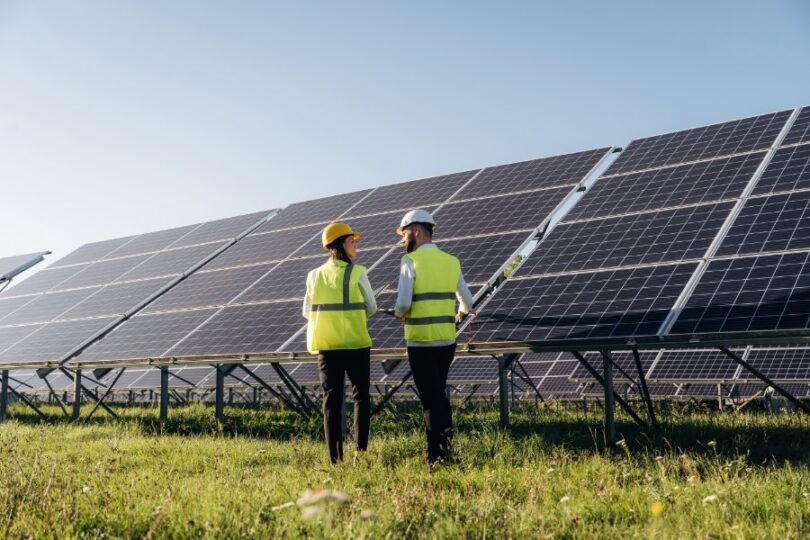

A solar installation is a serious investment, and the final inspection plays an important role in getting it ready for operation. Inspectors closely review all aspects of the solar energy system to ensure it meets applicable requirements.
Preparing for that inspection takes the same mindset that supports success in any major project: plan ahead, pay attention to details, and address problems before they become setbacks. With the right preparation for solar installation inspections, installers and property owners can reduce unnecessary delays and move closer to activating the system.
Understand What the Inspector Will Review
Start by understanding the purpose of the inspection rather than treating it like one final hurdle. Inspectors generally verify that the installation follows approved plans, applicable electrical codes, local requirements, and project safety standards.
Requirements can vary by jurisdiction, so review the rules governing the specific installation before inspection day. Check permit documents and any instructions from the authority having jurisdiction (AHJ) to understand what the inspector expects to see.
Good preparation works much like strong leadership: expectations should never remain a mystery until the last moment. When everyone understands the standard from the beginning, the project team can make better decisions throughout the installation instead of scrambling to correct avoidable problems later.
Review the Approved Solar Plans
Before the inspection, compare the completed system against the approved plans. Confirm that major equipment and other system features match the documentation that received approval during the permitting process.
Even a well-designed installation can encounter changes once work begins. If field conditions require a significant adjustment, make sure the necessary documentation reflects that change and determine whether the local authority requires revised plans or additional approval.
Do not assume a small difference will escape attention. Successful professionals develop the habit of checking their work before someone else checks it, and solar installation preparation benefits from exactly that level of accountability.
Check Electrical Connections and Components
Electrical work receives significant attention during many solar inspections because improper connections can create serious safety concerns. Review wiring methods, conductor protection, grounding, bonding, overcurrent protection, and disconnect equipment according to the requirements that apply to the system.
Make sure equipment remains accessible and that installation practices match manufacturer instructions. Tight workmanship matters because inspectors may notice details that seem minor during a busy installation but matter more when evaluating safety and code compliance.
Give Solar Labels Serious Attention
Solar PV systems require specific markings that communicate critical details. Installers should confirm that each required label appears in the correct location and remains easy to read before the inspector arrives.
This step also provides a good opportunity to review common mistakes when ordering solar PV labels, especially when project specifications or local requirements differ from previous installations. Ordering incorrect wording, overlooking required quantities, or selecting unsuitable materials can create unnecessary complications near the finish line.
Treat labels as an essential part of the completed installation, not an accessory added at the end. Clear, durable, correctly placed markings support safety while showing the inspector that the project team handled important details with care.
Perform a Focused Pre-Inspection Walkthrough
Conduct a complete walkthrough before the official inspection and approach the system as though you have never seen it before. Familiarity can make small problems easier to overlook, so examine the project carefully instead of relying on memory or assumptions.
A simple checklist can keep that walkthrough focused:
- Compare the installation with the approved plans and permit documents.
- Verify required labels, placards, and equipment markings.
- Check that electrical equipment remains secure and accessible.
- Look for incomplete wiring, loose components, or visible damage.
- Confirm that required documentation is ready for inspection day.
Assign responsibility for correcting anything the walkthrough uncovers. Strong project management depends on ownership, and someone should know exactly who will resolve each issue and confirm completion before the inspector arrives.
Organize Important Project Documentation
Paperwork can make the inspection process much smoother when questions arise. Keep approved plans, permits, equipment specifications, and relevant manufacturer documentation available so the inspector or project representative can quickly verify necessary information.
Don’t bury important documents in a crowded folder or force someone to search through emails during the appointment. Organize the information logically and make sure the person meeting the inspector knows where to find it.
This preparation mirrors an important lesson in professional success: preparation creates confidence. When the team can answer questions and locate supporting information quickly, everyone can focus on resolving actual concerns instead of wasting time searching for basic project details.
Coordinate With Everyone Before Inspection Day
Communication matters when several people contribute to a solar installation. The project manager, electricians, installers, property owner, and other relevant participants should understand the inspection schedule and know whether they need to complete anything beforehand.
Confirm who will meet the inspector and who can answer technical questions about the installation. Having a knowledgeable representative available can prevent confusion when the inspector needs clarification about equipment, approved plans, or decisions made during construction.
Avoid leaving coordination until the morning of the appointment. Clear communication beforehand reduces surprises and gives the team enough time to handle unfinished responsibilities without creating unnecessary pressure.
Learn From Previous Inspection Results
Solar professionals who handle multiple projects can improve future inspections by reviewing previous results. Recurring corrections often reveal weaknesses in installation procedures or internal quality-control processes that deserve attention.
Instead of viewing a failed item as an isolated annoyance, identify why the issue occurred. Team leaders should consider stronger checklists and direct communication to ease issues between the design and installation teams.
That approach turns inspections into a tool for continuous improvement. High-performing teams don’t simply fix problems; they strengthen their process so the same problems are less likely to recur on the next installation.
Prepare for Possible Corrections
Even careful preparation cannot guarantee that an inspector will approve every detail immediately. Code interpretations, jurisdiction-specific requirements, documentation questions, or overlooked installation details can still lead to requested corrections.
If the inspector identifies an issue, document the requirement clearly and determine what needs to change. Avoid treating corrections as personal criticism; the goal remains a safe installation that meets applicable standards.
Address requested changes promptly and verify the work before scheduling another inspection. A disciplined response can prevent one setback from becoming a larger project delay and keeps everyone focused on reaching the final goal.
Approach the Inspection With a Success Mindset
Preparing for a solar installation inspection involves more than checking boxes right before the appointment. The strongest approach builds quality control into the project from the planning stage through final installation and documentation.
Success often depends on doing small things consistently well, whether you manage a solar project or work toward a personal goal. Careful preparation gives a solar installation its best opportunity to pass inspection efficiently and move toward safe, reliable operation.