
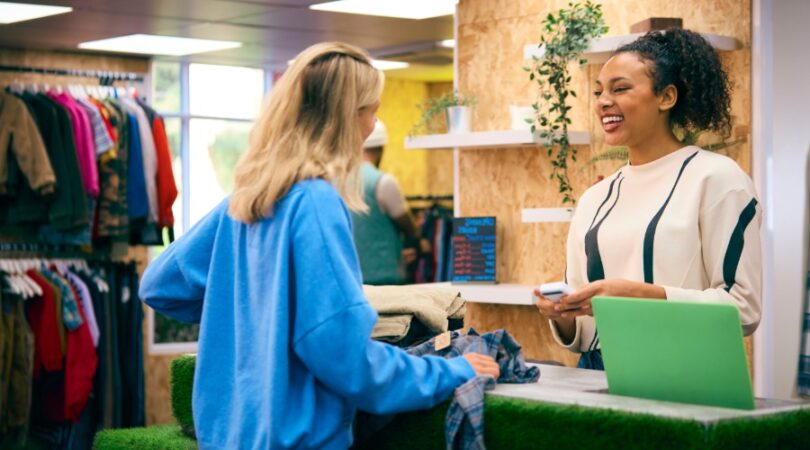

Pop-up shops give businesses chances to meet customers in person without committing to permanent retail locations. Pop-ups can introduce brands to a new market, support product launches, test demand in a neighborhood, or simply create excitement around limited-time events.
The temporary nature of a pop-up can be part of its appeal, but “temporary” shouldn’t mean “unfinished.” Customers still expect an environment that feels organized, trustworthy, and easy to shop. A few strategic decisions can transform a basic rented space, booth, or storefront into something that feels much more established.
Learning how to make a pop-up shop feel like a real store comes down to creating consistency throughout the customer experience. From the entrance to the shopping bags customers carry out the door, every element should feel intentional.
Start With a Clear Visual Identity
A pop-up should look unmistakably connected to the business behind it. Customers who already know the brand should recognize it, while first-time visitors should quickly understand its personality.
Use consistent colors, fonts, signage, and imagery throughout the space. A large logo near the entrance establishes the brand immediately, but branding should continue in smaller ways throughout the shop. Price signs, product descriptions, promotional materials, and checkout displays can all reinforce the same visual identity.
Design the Space Around Customer Movement
A pop-up may have significantly less floor space than a conventional store, making the layout especially important. Customers should be able to understand where to go without having to navigate around boxes, displays, or other shoppers.
Think about the path a visitor is most likely to take after entering. Place attention-grabbing products where they’re easy to see, and then use displays to encourage movement through the rest of the space.
Avoid filling every available square foot with merchandise. Leaving some open space can make products easier to notice and create a more comfortable shopping experience.
The checkout location also deserves careful consideration. It should be visible enough that customers can find it without asking, but it shouldn’t create a bottleneck near the entrance or block merchandise.
Create Displays With a Purpose
Tables filled with merchandise may technically get products in front of shoppers, but purposeful merchandising makes a temporary shop feel much more like an established retailer.
Group products according to a clear logic. That might mean organizing items by collection, purpose, color, size, or price. Customers should be able to understand the system quickly.
Displays can also communicate which products deserve extra attention. Give new arrivals, bestsellers, seasonal products, or limited releases prominent positions.
Vertical space can be particularly valuable in a compact pop-up. Shelving, wall displays, garment racks, and risers can add different heights and help shoppers see more merchandise without overcrowding tables.
Build a Complete Checkout Experience
Checkout is more than the moment when money changes hands. It’s the final in-store interaction a customer has with a business, making it an important part of the overall impression.
Before opening, test payment equipment, confirm internet access, and make sure employees understand the checkout process. Keep the counter clean rather than allowing spare inventory, drinks, cables, and paperwork to accumulate around the register.
Packaging matters as well. Bags should suit the products, so consider factors such as product size, weight, and typical purchase quantities when choosing the right dimensions for your shopping bags. Tissue paper, stickers, inserts, or branded packaging can further extend the store experience beyond the transaction.
Give Employees Defined Roles
Even a beautifully designed pop-up can feel disorganized if employees are unsure what they should be doing. Before opening, establish responsibilities for greeting customers, answering product questions, replenishing displays, managing checkout, and maintaining the space. For a very small team, employees may handle several of these tasks, but everyone should still understand their roles and priorities.
Staff should also know the basics of the brand story and products. Pop-ups often attract people who are discovering the business for the first time, so employees need to be prepared for questions. A knowledgeable, approachable team makes the business feel established even when the physical shop will exist for only a few days.
Add Details That Customers Will Remember
Professionalism creates confidence, but personality makes a pop-up memorable. Look for small touches that connect naturally to the brand. For instance, a beauty company might provide mirrors and comfortable testing stations. An apparel business could create a well-lit fitting area. A food brand might offer samples. Other retailers could incorporate demonstrations, photo opportunities, customization stations, or product bundles exclusive to the event.
Music and lighting can also influence the atmosphere. The goal isn’t to overwhelm shoppers with sensory details but to create an environment that feels distinct from a temporary rental space. These elements can give customers another reason to linger, explore, and remember the business after they leave.
Connect the Pop-Up to the Larger Business
A temporary store can continue creating value after its doors close. Give interested shoppers an easy way to stay connected with the business. That might include QR codes linking to an online store, social media information, email signup opportunities, loyalty programs, or details about future events. Employees can mention these options naturally during conversations.
Businesses can also use their pop-up experiences to learn. Pay attention to which displays attract attention, what questions customers ask, which products sell together, and where people hesitate. These observations can influence future events, merchandising decisions, and even long-term retail plans.
Make Temporary Retail Feel Intentional
A pop-up doesn’t need the budget or infrastructure of a permanent storefront to feel credible. Customers mainly need signs that the business has thought carefully about their experience. A cohesive visual identity, a logical layout, clear product information, a smooth checkout experience, organized staff, and thoughtful finishing details can make even a short-term space feel established.
Ultimately, making a pop-up shop feel like a real store means treating every customer touchpoint as part of the business and brand rather than as a temporary workaround. When the experience feels complete from entrance to exit, customers are more likely to remember the brand—not the fact that the store was there for only a limited time.