
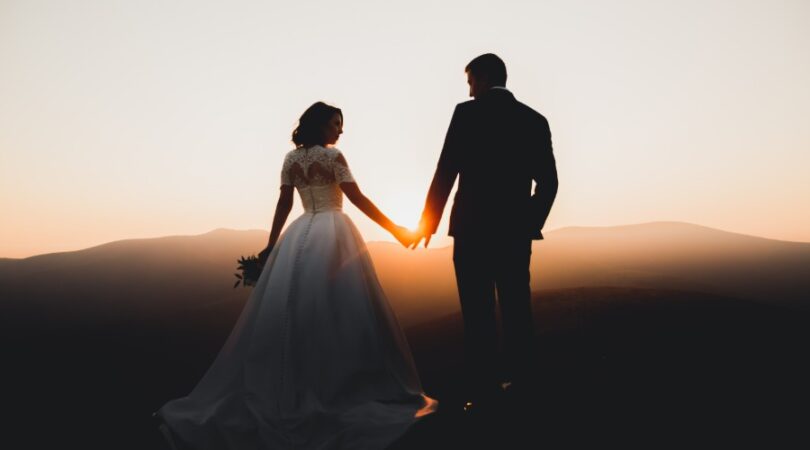

Wedding planning involves hundreds of decisions, but some choices have a much greater influence on the celebration than couples initially realize. Flowers, music, décor, and food all contribute to the experience, yet the ceremony’s timing can quietly shape nearly everything around them. A wedding beginning at noon can feel completely different from an identical celebration beginning shortly before sunset.
Understanding how the time of day can change the feel of your wedding can therefore help you make decisions that complement the atmosphere you want to create. Morning, afternoon, sunset, and evening weddings each bring different possibilities for lighting, photography, food, entertainment, attire, and guest expectations. Rather than treating the ceremony time as a simple scheduling decision, couples can use it as part of the overall design of their wedding.
Morning Weddings Feel Fresh and Relaxed
Morning ceremonies tend to create an atmosphere that feels bright, cheerful, and relatively informal. Guests arrive at the beginning of their day rather than after spending hours preparing or traveling around town. Natural daylight is abundant, and venues with gardens, windows, or scenic surroundings can take advantage of the morning light.
The schedule also opens possibilities for a different kind of reception. Instead of a traditional dinner, couples might serve brunch, lunch, coffee, pastries, or lighter cocktails. The entertainment can reflect the daytime setting as well, with acoustic music and casual conversation often fitting naturally into the celebration.
An earlier wedding can also leave couples with much of the evening available. Some may choose to continue celebrating informally with close friends and family, while others appreciate having time to unwind after an eventful morning.
Afternoon Celebrations Offer Flexibility
Afternoon weddings occupy a useful middle ground between daytime informality and evening elegance. Depending on the season and venue, an afternoon ceremony can transition naturally into cocktails, dinner, and nighttime entertainment.
This timing can be especially helpful for couples who want several distinct moods throughout their wedding. The ceremony might take place in bright daylight, cocktail hour could coincide with softer late-afternoon light, and the reception could begin as the sun sets.
Afternoon ceremonies also provide more preparation time than morning weddings. Couples and their wedding parties do not necessarily need to begin hair, makeup, photography, and venue preparations at dawn. At the same time, guests generally have enough time to travel to the venue without sacrificing their entire morning.
Sunset Creates a Naturally Romantic Backdrop
There is a reason sunset ceremonies remain popular. The changing light can add warmth and drama without requiring elaborate decorations. Outdoor venues in particular can benefit from the transition between daylight and dusk.
Timing is critical, however. Sunset changes throughout the year and varies by location, so couples need to coordinate ceremony length, photography, transportation, and other details carefully. Beginning too late can leave photographers with less natural light than expected, while starting too early may mean the ceremony concludes well before the desired backdrop appears.
Seasonal conditions matter too. A summer sunset might occur relatively late in the evening, whereas winter darkness can arrive surprisingly early. Couples planning around this transition should confirm local sunset times before finalizing the schedule.
Evening Weddings Can Create a More Dramatic Atmosphere
Once daylight fades, artificial lighting becomes a central part of the wedding’s visual identity. Candles, chandeliers, string lights, lanterns, uplighting, and illuminated architectural features can make spaces feel intimate and dramatic.
Couples considering an evening ceremony should think beyond simply choosing a later starting time. Planning an evening ceremony can involve additional considerations involving lighting, photography, guest comfort, and the transition into the reception.
An evening schedule also tends to encourage a more formal atmosphere. Guests may naturally choose dressier attire, and dinner followed by dancing fits comfortably into the timeline. None of these conventions are mandatory, but the time itself can influence expectations before guests even arrive.
Lighting Changes Everything
Lighting is one of the biggest differences between weddings held at different times. Bright midday sun creates a very different visual environment from the soft light available near sunset or the controlled illumination of an evening reception.
This affects more than photographs. Lighting changes how flowers appear, how table settings look, how architectural details stand out, and even how colors are perceived. Decorations selected under showroom lighting may look noticeably different outdoors at noon or beneath warm reception lighting.
Couples should therefore evaluate their venue at approximately the same time their wedding will occur whenever possible. Visiting at 11 a.m. when the ceremony is scheduled for 7 p.m. may provide an incomplete picture of the setting.
Your Photography Timeline Depends on the Clock
Wedding photography often requires careful coordination with natural light. Couples frequently want portraits, wedding-party photographs, family pictures, ceremony coverage, reception details, and candid images throughout the day.
A midday wedding offers plenty of daylight but may create harsher outdoor lighting, particularly during summer. Late-afternoon ceremonies can provide softer conditions but leave a narrower window before darkness. Evening weddings may require couples to schedule portraits before the ceremony if they want extensive natural-light photography.
Photographers can help couples determine when important photographs should happen. Building the timeline around realistic lighting conditions reduces the likelihood of rushing through portraits or missing a desired setting.
Think About the Entire Experience
There is no universally ideal time to get married. The right choice depends on the season, venue, guest list, desired atmosphere, photography priorities, budget, and type of celebration a couple imagines.
A morning wedding can be intimate and refreshing. An afternoon ceremony provides flexibility and natural transitions. Sunset can introduce warmth and romance, while an evening celebration can feel sophisticated and dramatic.
That is why thinking carefully about how your wedding’s time of day can transform its overall feel is worthwhile before finalizing the schedule. The ceremony time influences much more than when guests arrive. It can shape the lighting, menu, photography, entertainment, comfort, pacing, and emotional tone of the entire event.
When timing works in harmony with the venue and the couple’s vision, it becomes an invisible part of what makes the celebration feel cohesive. Guests may never consciously identify why the atmosphere feels right, but the clock can play a surprisingly important role in creating that experience.