
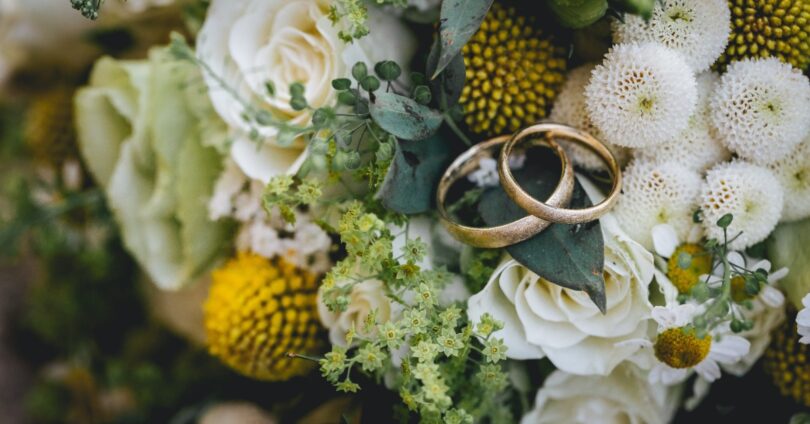

Your wedding band represents a lifelong commitment, making it one of the most meaningful pieces of jewelry you will ever own. While choosing a ring may seem straightforward, several factors influence its appearance and long-term comfort. From selecting a suitable metal to finding a design that complements your engagement ring, thoughtful planning helps you make a confident decision. Understanding what to consider before purchasing your wedding band allows you to choose a ring that reflects your personal style while accommodating your everyday lifestyle.
Choose a Metal That Fits Your Lifestyle
The metal you select affects your wedding band’s durability and overall appearance. Popular options include yellow gold, white gold, rose gold, and platinum. Each offers distinct characteristics that influence how your ring looks and performs over time.
Yellow gold provides a traditional appearance that complements many jewelry styles. White gold offers a bright finish, although its rhodium plating may require periodic maintenance. Platinum resists metal loss from everyday wear, making it appealing for couples who prioritize longevity.
Consider your daily activities when comparing metals. If you frequently work with your hands, choose a material that accommodates regular wear. Remember that every precious metal can develop scratches, regardless of its initial durability.
Find the Right Band Width
Your wedding band’s width influences its appearance and how comfortably it fits your finger. Narrow bands create a delicate look, while wider designs offer a more substantial presence. Your finger size and personal preferences should guide your decision.
Understanding wedding band widths and proportions helps you identify designs that balance comfort with visual appeal. A wider ring may require a slightly larger size because it covers more of your finger.
Try several widths before making your purchase. Pay attention to how each option feels when you bend your fingers or make a fist. A beautiful ring should also feel comfortable during normal daily activities.
Consider How Your Band Complements Your Engagement Ring
If you plan to wear your wedding band alongside an engagement ring, consider how both pieces will look together. Their shapes and settings influence whether they sit comfortably against each other.
A straight wedding band often pairs well with a solitaire engagement ring. However, engagement rings with prominent center stones or unusual settings may require curved bands to create a closer fit.
You can also choose contrasting metals for a distinctive appearance. Matching finishes creates a coordinated look, while mixing colors adds visual interest. Try both rings together before purchasing. This allows you to evaluate their combined appearance and determine whether either ring shifts uncomfortably during movement.
Select a Design That Reflects Your Personal Style
Your wedding band should reflect your preferences rather than temporary jewelry trends. Some people appreciate traditional polished bands, while others prefer distinctive textures or decorative details.
Consider whether you enjoy understated jewelry or prefer pieces that attract attention. A simple band offers versatility and pairs easily with other accessories. Decorative designs provide opportunities to express your individuality. Think about how your tastes might evolve over time. Choosing a design that feels authentic to your personal style can help you appreciate your ring for years.
If you prefer something distinctive, consider custom engraving. A meaningful date or short message adds sentimental value without changing the ring’s exterior appearance.
Decide Whether To Include Gemstones
Gemstone wedding bands offer additional sparkle and can complement engagement rings with diamond accents. However, their settings require careful consideration because they influence maintenance and everyday practicality.
Pavé bands feature small stones along the ring’s surface, creating continuous sparkle. Channel settings position gemstones between protective metal edges, offering a different appearance.
Consider whether you want gemstones around the entire band or only across its visible portion. Eternity bands provide continuous decoration but often present sizing challenges because their stones extend around the circumference. If you anticipate future resizing, discuss your options with a jeweler before selecting a gemstone arrangement. Certain designs offer greater flexibility than others.
Prioritize Comfort and Proper Sizing
A wedding band should fit securely without restricting circulation or creating discomfort. Your fingers naturally change size throughout the day due to temperature fluctuations and physical activity.
Schedule your fitting when your hands feel comfortable and maintain their usual temperature. Avoid measuring immediately after strenuous exercise because temporary swelling can affect the results. Comfort-fit bands feature rounded interior edges that help the ring slide over your knuckle. Many people appreciate this design, particularly when choosing wider bands.
Wear sample rings for several minutes during your appointment. Move your hands naturally to evaluate whether the band feels secure without excessive pressure.
Establish a Realistic Wedding Band Budget
Setting a budget before shopping helps you narrow your options and avoid unnecessary financial pressure. Wedding band prices vary according to metal choice and design complexity. Determine how much you feel comfortable spending without compromising other wedding expenses. Remember that a higher price does not automatically guarantee greater satisfaction.
A simple gold band may offer the appearance you want without elaborate detailing. Alternatively, you might prioritize craftsmanship or a particular gemstone arrangement.
Ask jewelers about maintenance costs when comparing options. Some finishes require periodic refinishing, while certain settings need professional inspections. Understanding these potential expenses helps you evaluate the ring’s long-term cost.
Understand Maintenance Requirements
Every wedding band benefits from proper care, although specific maintenance needs depend on its materials and construction. Learning these requirements before purchasing helps you preserve your ring’s appearance.
Plain metal bands generally require less attention than elaborate gemstone designs. You can clean many rings with mild soap and warm water, but delicate settings may need specialized care.
Remove your ring before activities that expose it to harsh chemicals or significant impact. These precautions help protect the finish and reduce the possibility of damage. Ask your jeweler about professional cleaning services and recommended inspection schedules. Regular maintenance can identify loose gemstones before they become lost.
Plan Your Purchase Timeline
Purchasing your wedding band well before your ceremony allows time for sizing adjustments or custom modifications. Rushing the process can limit your choices and create unnecessary stress.
Begin browsing several months before your wedding, especially if you want a personalized design. Custom orders may require additional production time. Confirm delivery expectations with your jeweler and allow time for adjustments. Keep your completed band somewhere secure until the ceremony.
Make a Meaningful Final Decision
Choosing a wedding band requires balancing personal preferences with practical considerations. Focus on a design that feels comfortable and suits your lifestyle rather than following every current trend. Taking time to understand what to consider before purchasing your wedding band helps you select a meaningful piece of jewelry that celebrates your relationship throughout the years ahead.