
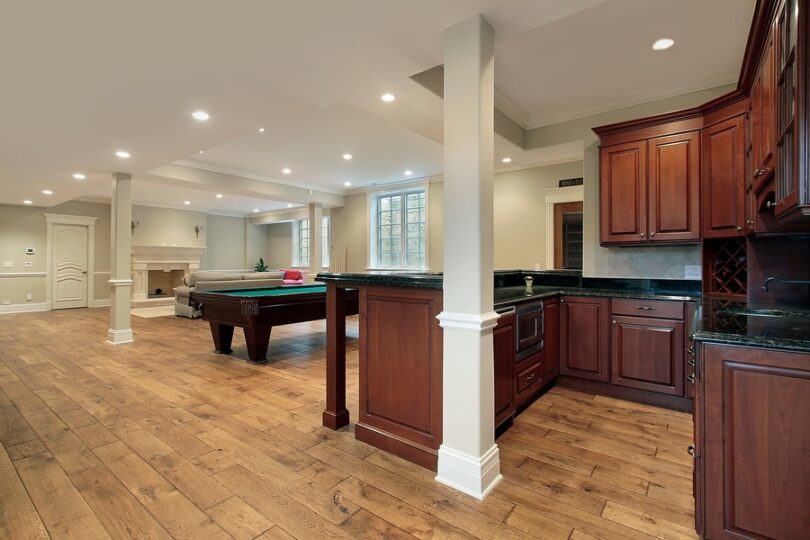

For years, many families treated their basements as convenient places to store holiday decorations and everything that didn’t fit upstairs. Now, changing household needs have encouraged homeowners to reconsider how much useful living space sits beneath their feet.
It’s easy to comprehend the rise of cozy, multipurpose basement retreats when one room can support family movie nights, quiet hobbies, and occasional work-from-home responsibilities. With thoughtful planning and a realistic budget, even an ordinary basement can become one of the most useful areas in the house.
Why Families Are Rethinking Basement Space
Modern households often need rooms that can handle several activities without requiring expensive additions. Parents might want a comfortable place for children to play while maintaining space for their own hobbies. Remote workers may need occasional privacy without turning an entire bedroom into a permanent office. A flexible basement can address these needs while making better use of existing square footage.
The key involves understanding how your family actually spends time together and apart. A beautiful entertainment room won’t provide much value if everyone prefers reading, crafting, or exercising. Before purchasing furniture, identify the activities that would genuinely improve your household’s daily routine. This practical approach can prevent costly design decisions that look impressive but rarely serve a purpose.
Begin With Comfort Before Decorating
Basements often present different environmental challenges than the rooms above them. Cooler temperatures, limited natural light, and potential moisture problems can affect how comfortable the space feels. Addressing these conditions before decorating protects your investment and creates a healthier environment. Check for leaks, musty odors, and visible moisture before covering walls or installing new flooring.
If you notice persistent dampness, investigate its source rather than relying on decorative improvements to hide the problem. Proper ventilation and appropriate humidity control can make a significant difference in everyday comfort. Consult qualified professionals when structural concerns or recurring water intrusion require more extensive attention. A cozy retreat starts with a dry, functional space rather than an expensive collection of throw pillows.
Use Lighting To Build a Welcoming Atmosphere
Lighting has an enormous influence on how comfortable a basement feels, especially when natural sunlight remains limited. Overhead fixtures provide general illumination, but they rarely create the warm atmosphere homeowners want for relaxing evenings. Table lamps, wall lighting, and carefully placed accent fixtures can introduce depth without requiring major electrical renovations. Choosing appropriate lighting for each activity also makes the room more practical.
A fireplace-style focal point can contribute to the atmosphere when the room needs additional visual warmth. Homeowners exploring how an electric fireplace can brighten up your basement may discover options that combine decorative flame effects with supplemental heating features. Compare installation requirements, operating costs, and safety instructions before selecting a unit for your space. Keep electrical devices away from moisture, follow manufacturer clearance guidelines, and avoid overloading outlets.
Add Budget-Friendly Comfort Details
Small decorative changes can make an unfinished or minimally furnished basement feel more inviting. Soft textiles, warm lighting, and coordinated storage containers can establish a comfortable atmosphere without demanding a complete renovation. Choose materials that suit the basement’s moisture conditions and remain easy to clean. Prioritize additions that contribute to comfort rather than decorations that merely occupy space.
Several affordable upgrades can improve the room’s everyday usefulness, including:
- Washable rugs: Define activity zones and add softness underfoot.
- Layered lighting: Provide flexibility for reading, games, and relaxing.
- Storage baskets: Keep toys and hobby supplies organized.
- Throw blankets: Add warmth during family movie nights.
- Removable decor: Refresh the room without permanent wall changes.
Start with items that solve immediate problems rather than purchasing everything at once. If your family needs better organization, storage should come before decorative accessories. If the room feels uncomfortable after sunset, lighting deserves greater attention. A gradual approach makes improvements easier to budget and evaluate.
Design a Space for Family Entertainment
A basement retreat can become a natural gathering place when it supports activities everyone enjoys. Comfortable seating and a modest television setup might provide everything necessary for regular movie nights. Families who prefer interactive entertainment can dedicate a corner to board games or puzzles. The goal is to create opportunities for spending time together without requiring expensive outings.
Keep entertainment supplies organized so that switching between activities doesn’t become a lengthy cleanup project. A small cabinet can hold games, charging cables, and other accessories within easy reach. Consider noise levels if family members use bedrooms or workspaces directly above the basement. Thoughtful arrangements make shared activities enjoyable without disrupting the rest of the household.
Leave Room for Hobbies and Quiet Time
Not every basement activity needs to involve the entire family. A quiet corner can provide space for reading, sewing, painting, or another favorite hobby. Small work surfaces and task lighting help these areas function without overwhelming the overall design. Keeping supplies in labeled containers also makes it easier to return the room to its usual arrangement.
Some homeowners may prefer a compact exercise area or a peaceful space for stretching. Select equipment that fits the available ceiling height and provides adequate clearance for movement. Avoid placing heavy equipment where moisture or unstable flooring could create safety concerns. A multipurpose retreat should accommodate individual interests while remaining comfortable for everyone who shares it.
Plan Improvements in Manageable Stages
Basement transformations become more affordable when homeowners separate essential improvements from optional upgrades. Start by evaluating moisture control, electrical safety, lighting, and other conditions that influence whether the space functions properly. Next, identify furniture and storage purchases that support your most important activities. Save decorative finishing touches for later stages when you understand how the room actually works.
Set a realistic budget and include a contingency for unexpected problems, especially in older homes. Some improvements may require permits or professional assistance depending on local building requirements. Avoid rushing into permanent changes before confirming that your plans meet applicable safety standards. Careful preparation helps you create lasting value instead of paying to correct preventable mistakes.
Make Your Basement a Place Everyone Enjoys
A successful basement transformation doesn’t depend on expensive finishes or an elaborate renovation plan. The best cozy basement retreat ideas combine practical organization with comfortable features that suit your family’s daily activities. By addressing essential conditions first and making improvements gradually, you can create a flexible space without overwhelming your household budget. Whether it becomes a movie room, hobby corner, or peaceful escape, your basement can offer much more than extra storage.