
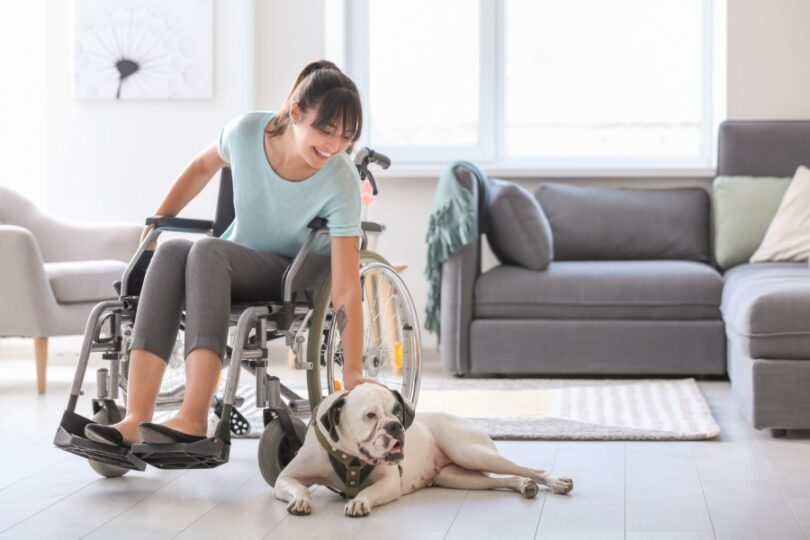

Creating a home that supports mobility and independence empowers people to live confidently at every stage of life. Whether you have a disability or struggle with mobility as you age, this sets you up with the best home for your needs.
Smart updates can blend style and function without sacrificing personality or comfort. These home modifications can improve your mobility and independence while keeping homes modern and welcoming.
Start with a Safer Entryway
A zero-step entry makes coming and going easier for everyone. You can replace traditional steps with a gently sloped walkway that complements your landscaping. Wider door frames allow smoother movement for strollers, walkers, and mobility devices. Lever-style door handles also offer an easier grip than traditional knobs.
Bright lighting near entrances reduces trip risks and boosts visibility at night. Motion-sensor lights add convenience and enhance security. Non-slip surfaces prevent falls during rainy or icy weather. Small design details like these dramatically improve daily independence.
Upgrade Bathrooms for Confidence
Bathrooms often present the biggest mobility challenges in a home. You can install grab bars in stylish finishes that match your décor. A walk-in shower with a low threshold eliminates the need to step over high tub walls. A handheld showerhead adds flexibility and ease of use.
Consider adding a comfort-height toilet for better support and balance. Non-slip tile flooring reduces fall risks without sacrificing design appeal. Floating vanities create knee clearance and increase maneuverability. These thoughtful upgrades transform bathrooms into safe and empowering spaces.
Improve Flooring and Layout Flow
Flooring plays a major role in safe mobility. You should choose smooth, slip-resistant materials like vinyl plank or low-pile carpet. Thick rugs and uneven thresholds can block wheels and cause tripping hazards. Removing clutter also improves overall flow.
Open pathways make movement easier for mobility devices. Rearranging furniture can create clear travel routes without expensive renovations. Many families also explore the difference between wheelchairs and transport chairs and how they will work within the layout. Understanding that distinction helps determine how much turning space and storage room your home truly needs.
Here are a few quick layout upgrades to consider:
- Remove loose rugs and secure remaining mats
- Widen walkways to at least 36 inches
- Install stair railings on both sides
Add Smart Technology for Daily Ease
Smart home tools now support independence in stylish ways. Voice-controlled lighting allows hands-free operation. Smart thermostats maintain comfort without constant manual adjustment. Video doorbells help residents monitor visitors safely.
Automated blinds reduce the need to reach high cords. App-controlled locks eliminate the hassle of small keys. These technologies blend seamlessly into modern décor. They also provide peace of mind for families supporting loved ones.
Plan for Long-Term Independence
Home modifications for mobility work best when you think ahead. Even small updates today can prevent major renovations later. Independence thrives when homes adapt to the people who live in them. With smart planning, any home can feel both beautiful and accessible. Everyone deserves a space that supports confidence, comfort, and freedom.