
As autumn brings flu season into full swing and more people head to airports for holiday travel, one familiar accessory is making its way back into daily life: the mask. But even after years of widespread use, many masks still don’t fit the people wearing them. For women with smaller facial structures or men with facial hair, the standard “one-size-fits-all” design can be awkward, uncomfortable, or simply ineffective.
That design gap is what inspired orthopedic surgeon Dr. David Mathews to create Makana Masks, a line that reimagines respiratory protection with the same attention to fit and comfort that doctors demand from their own gear. After nearly three decades of wearing surgical masks in operating rooms, Mathews knew firsthand how irritating poor fit could be, especially when masks had to be worn for hours at a time.
A Surgeon’s Approach to Everyday Protection
Unlike disposable surgical masks or standard N95s, Makana Masks were built from the ground up with ergonomics in mind. The design includes different sizing to address smaller faces, something often overlooked in mass-market models. For men with short beards, the company is currently testing ways to achieve a reliable seal without requiring a clean shave.
Another priority: comfort. Anyone who has sat through a cross-country flight or worked a long shift in a clinic knows that a mask can quickly become unbearable if it digs into the skin or restricts airflow. Makana’s solution combines soft, reusable materials with high-quality filters designed to handle both industrial-grade hazards and everyday environments.
Beyond Disposable Culture
Sustainability also plays a role in Makana’s mission. Instead of adding to the billions of disposable masks that end up in landfills each year, the masks are reusable and built for the long term. For those who need extra protection, interchangeable filters make it easy to adapt to different situations, from wildfire smoke to crowded subway rides.
Who They’re For; Many Uses
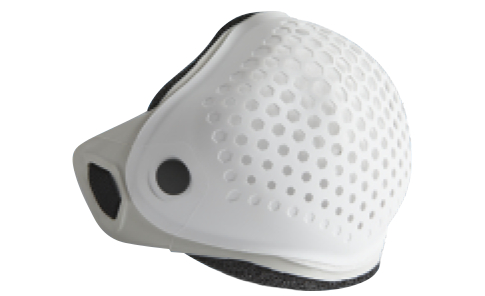 While healthcare and construction workers are obvious candidates, the potential audience is broader. Frequent travelers may appreciate the comfort during long hours in airports and airplanes. Families in fire-prone regions can add them to emergency kits. And in urban areas with high pollution levels, Makana’s customizable masks could become part of everyday streetwear.
A Shift Toward Inclusivity
Dr. Mathews puts it plainly: “If a mask isn’t comfortable, people won’t wear it.” His design philosophy reflects a move away from the “good enough” mentality that dominated early pandemic-era products. Instead, Makana focuses on inclusivity, whether that means addressing gender differences in face shape, experimenting with beard-friendly solutions, or offering masks in different colors and styles to make them feel less clinical.
The Bigger Picture
Makana Masks aren’t about reinventing the wheel, they’re about refining it. By focusing on small but significant design details, the brand highlights how protective gear can evolve from a nuisance into an everyday tool people actually want to use. In a season where colds, flu, and other airborne risks are again on the rise, that could make all the difference between wearing a mask reluctantly and wearing one that actually works.