

Overview of Die-Casting in Automotive Manufacturing
Die-casting has become a key process in making car parts. It helps create strong, light components quickly and at a good price. This method has changed how cars are built.
History and Evolution
Die-casting started in the early 1900s. At first, it was used to make small parts like knobs and handles. As technology got better, car makers began using it for bigger parts.
In the 1950s and 1960s, die-casting grew a lot. New metals and better machines let companies make more complex parts. This helped cars become lighter and cheaper to build.
Today, die-casting is used for many car parts. Things like engine blocks, transmission cases, and wheel rims are often made this way. The process keeps getting better, with new ways to make parts even lighter and stronger.
Die-Casting vs. Other Manufacturing Processes
Die-casting has some big pros over other ways to make car parts. It’s faster than many other methods. You can make lots of the same part quickly and cheaply.
Die-cast parts are also very precise. They need less work to finish, which saves time and money. Plus, the parts are strong and light, which helps cars use less fuel.
But die-casting isn’t always the best choice. It can cost a lot to set up at first. For small numbers of parts, other methods might be cheaper. Some metals don’t work well with die-casting too.
Still, for many car parts, die-casting wins out. It’s a great mix of speed, quality, and cost that fits well with how cars are made today.
Materials and Alloys Used in Automotive Die-Casting
Die-casting in the automotive industry relies on specific materials to create strong, lightweight parts. The most common metals used are aluminum, magnesium, and zinc alloys. Each has unique properties that make them suitable for different automotive components.
Aluminum Alloys
Aluminum alloys are the top choice for automotive die-casting. They’re lightweight and resist corrosion, making them perfect for many car parts.
You’ll find aluminum in engine blocks, transmission housings, and wheel rims. It’s also used for structural components and body panels. The most common alloys contain silicon, copper, or magnesium to improve strength and castability.
Aluminum die-cast parts help make cars lighter. This leads to better fuel efficiency and lower emissions. As carmakers push for greener vehicles, aluminum use in die-casting is growing.
Magnesium Alloys
Magnesium alloys are even lighter than aluminum. They’re great for parts where weight is crucial. You might see magnesium in steering wheel cores, seat frames, and dashboard structures.
These alloys are strong for their weight. They also absorb vibrations well, making for a smoother ride. Magnesium parts can be thinner than aluminum ones, saving space in tight areas.
One downside is that magnesium is more reactive than aluminum. It needs special handling during casting and might need extra protection against corrosion.
Zinc and Other Metal Alloys
Zinc alloys are used for smaller, detailed parts in cars. You’ll find them in door handles, lock housings, and decorative trim. Zinc is easy to cast and gives a smooth surface finish.
These alloys are strong and resist wear well. They’re also good at blocking electromagnetic interference, useful for electronic parts.
Some carmakers use copper alloys for specific components. These are found in parts that need high electrical conductivity, like connectors in electric vehicles.
Steel isn’t common in die-casting, but it’s used for some high-strength parts. You might see it in safety-critical components or heavy-duty vehicles.
Die-Casting Machines and Equipment
Die-casting machines come in different types and sizes to meet various production needs. These machines use high pressure to inject molten metal into molds, creating precise parts for cars and other vehicles.
Cold Chamber Die-Casting Machines
Cold chamber machines are great for metals with high melting points like aluminum. You’ll find these used a lot in car factories. They have a separate furnace to melt the metal. This setup keeps the injection system cooler and helps it last longer.
Key features of cold chamber machines:
- Slower cycle times
- Better for larger parts
- Can handle higher temperatures
These machines are perfect for making things like engine blocks and transmission cases. They’re built tough to handle the heat and pressure needed for big automotive parts.
Hot Chamber Die-Casting Machines
Hot chamber machines work best with metals that melt at lower temps, like zinc. The melting pot is part of the machine in this case. This makes the process faster but limits the metals you can use.
Benefits of hot chamber machines:
- Faster cycle times
- Good for smaller parts
- Less oxidation of the metal
Car makers use these for parts like door handles, trim pieces, and small brackets. The speed of hot chamber machines makes them ideal for high-volume production of smaller components.
Machine Components and Features
Modern die-casting machines have lots of parts working together. The main bits are:
- Injection system
- Clamping unit
- Die (mold)
- Control panel
New machines often have computer controls for better accuracy. Some can even adjust settings on their own to keep quality high.
Manufacturers are always trying to make these machines better. They want faster cycles, less waste, and more consistent parts. This helps car makers save money and make better vehicles for you.
Design and Engineering in Die-Casting for Vehicles
Die-casting design for vehicles requires careful planning and advanced tools. Engineers use computer modeling and follow key principles to create efficient molds. These methods help make strong, lightweight parts for cars.
CAD and Simulation
Computer-aided design (CAD) is a big part of die-casting for cars. You can use CAD software to make 3D models of parts. These models show how the part will look and work.
CAD helps you test designs before making real molds. You can see if a part will fit in a car and how strong it will be. This saves time and money.
Simulation tools work with CAD to show how metal will flow in the mold. You can spot problems like air pockets or weak spots. Fixing these issues early leads to better parts.
Mold Design Principles
When you design molds for car parts, you need to think about a few key things. First, the mold must let the metal flow easily. Smooth corners and even thickness help with this.
You also need to plan for the part to cool evenly. This stops warping and makes the part stronger. Adding cooling channels in the right spots is important.
The mold should also make it easy to remove the finished part. Slight angles on surfaces, called draft, help with this. You might add special features to help push out the part.
Lastly, think about how the mold will hold up over time. Strong materials and good maintenance keep it working well for many parts.
Key Applications in the Automotive Sector
Die-casting plays a big role in making car parts. It helps create strong, light pieces for engines, bodies, and decorative elements. Let’s look at some key ways die-casting is used in cars.
Engine Components
Die-casting makes many important engine parts. Cylinder heads help control air and fuel flow in engines. They need to be tough and precise. Die-casting creates them with the right shape and strength.
Engine blocks form the core of car engines. Die-casting allows for complex designs that cool engines well. It also makes them lighter than older methods.
Pistons move up and down in engines. They must be light yet strong. Die-cast pistons meet these needs perfectly.
Other engine parts made by die-casting include:
- Oil pans
- Transmission cases
- Timing covers
These parts benefit from die-casting’s ability to make complex shapes quickly and cheaply.
Structural Parts
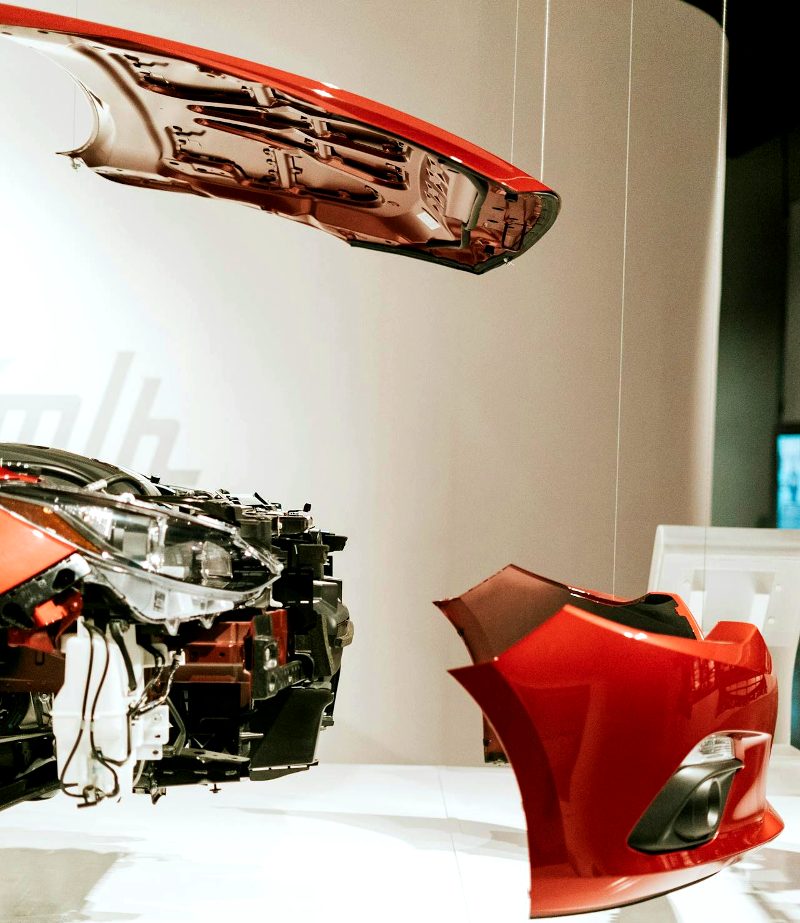
Die-casting helps make cars safer and lighter. Body panels like doors and hoods can be die-cast. This makes them strong but not too heavy.
Chassis parts hold cars together. Die-cast pieces work well here. They can be made in odd shapes that fit just right. Some examples are:
- Shock towers
- Cross members
- Suspension arms
These parts need to be tough. Die-casting gives them strength without extra weight.
Interior supports like seat frames also use die-casting. It lets car makers create strong, light frames that keep you safe.
Cosmetic and Trim Elements
Die-casting isn’t just for hidden parts. It makes many things you see in cars too. Wheel rims are often die-cast. They look good and stand up to road wear.
Grilles give cars their distinct look. Die-casting allows for complex designs. These can be both strong and eye-catching.
Inside cars, die-casting makes many decorative parts:
- Dashboard frames
- Door handles
- Gear shift knobs
These parts can have smooth finishes or detailed textures. Die-casting lets car makers create unique looks cheaply.
Outside trim like emblems and badges are also die-cast. They stay shiny and don’t rust easily. This helps cars look good for years.
Advancements and Innovations
Die-casting technology in the automotive industry is evolving rapidly. New techniques and materials are making parts lighter, stronger, and more eco-friendly.
Emerging Technologies in Die-Casting
3D printing is changing how molds are made. You can now create complex shapes that weren’t possible before. This lets car makers design parts that are both lighter and stronger.
Computer simulations help predict how metal will flow in molds. This cuts down on trial and error, saving time and money. It also leads to better quality parts with fewer defects.
New alloys are being developed all the time. These metals are lighter than traditional ones but just as strong. Some even have special properties like better heat resistance or electrical conductivity.
Sustainable Practices and Material Recycling
Car makers are using more recycled metals in die-casting. This cuts down on waste and saves energy. Some companies are even setting up their own recycling programs to reuse scrap metal.
New coatings for molds help parts release more easily. This means less waste and longer-lasting molds. It also reduces the need for harmful chemicals in the process.
Energy-efficient furnaces are becoming more common. They melt metal using less power, cutting costs and pollution. Some even capture waste heat to use elsewhere in the factory.
Water recycling systems are helping too. They clean and reuse water from the cooling process, saving this precious resource.
Photo by Amar Preciado.