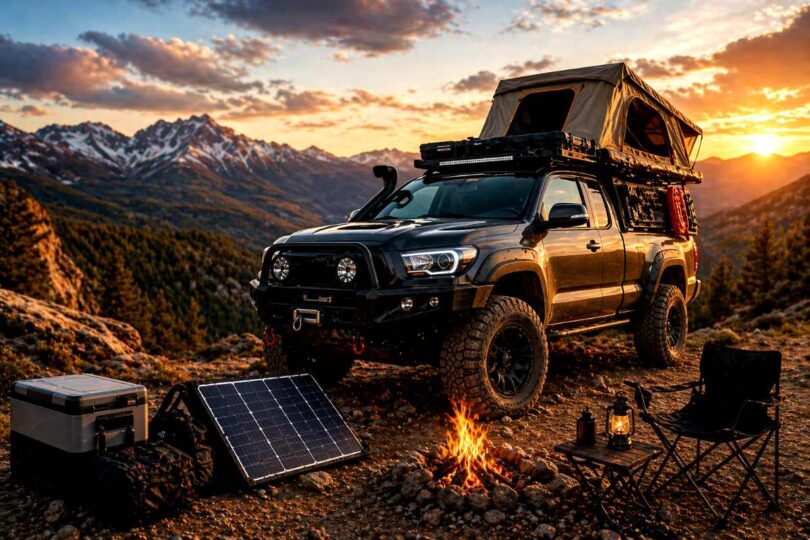

The call of the wild has never been stronger. Leaving the crowded highways behind for remote trails and undisturbed campsites is an incredibly appealing way to explore the outdoors. This shift towards vehicle-based adventure travel has completely transformed how we approach road trips. According to recent data from Overland Expo and RVBusiness, industry reports show 95 percent of overlanders modify their rigs, with over 12 million Americans projected to overland in 2025. These modifications often focus heavily on storage and durability upgrades to handle unpredictable and demanding environments.
Start with Foundational Vehicle Maintenance
Before you start bolting on heavy accessories, it is critical to look at the overall health of your vehicle. A breakdown in the city is a minor inconvenience, but a mechanical failure miles from civilization is a serious problem that can ruin a holiday. You must establish a reliable baseline before demanding extra performance from your engine and suspension. While gathering the essential items you need for your next road trip is crucial, focusing on foundational vehicle maintenance provides the necessary baseline for safe, off-grid travel. Routine checks of coolant levels, oil quality, and transmission fluids are completely non-negotiable. Inspecting belts, hoses, and brake pads for wear gives you peace of mind. Addressing minor repairs before they escalate ensures that your truck can handle the added stress of rough terrain and heavy loads without catastrophic failures.
Maximising Secure Storage for Gear and Supplies
Once your vehicle is mechanically sound, the next major hurdle is figuring out how to carry your equipment safely. Off-grid travel requires weeks of supplies, recovery tools, spare parts, and camping gear. Packing these items loosely in a truck bed leaves them exposed to the elements, opportunistic theft, and relentless dust. Looking towards regions with notoriously harsh terrains offers great inspiration for rugged storage. The Australian outback, for example, has driven the development of heavy-duty Ute Canopies that are rapidly gaining global popularity. These enclosed aluminium structures replace standard fiberglass covers, offering customisable, weatherproof compartments. Aluminium is lightweight yet structurally rigid, keeping sensitive equipment organised and protected during relentless off-road pounding without adding excessive weight to the chassis.
Essential Off-Road Modifications
With your foundational maintenance sorted and your storage plan locked in, you can focus on the specific upgrades that actually improve off-road capability. A standard factory truck will struggle with deep mud, steep inclines, and heavy payloads. Consider these practical modifications to ensure your vehicle is ready for the extreme conditions of an extended road trip:
- Upgraded Suspension Systems: Adding heavy structures, full water tanks, and camping gear maxes out standard suspension very quickly. Upgrading to heavy-duty leaf springs or stronger coil shocks improves ride quality and maintains safe handling under a heavy load.
- All-Terrain Tyres: Standard street tyres are highly prone to punctures on sharp rocks and gravel. High-quality all-terrain or mud-terrain tyres provide thicker sidewalls and deeper treads for necessary traction in slippery, unpredictable conditions.
- Dual Battery Setups: Running a portable fridge, charging camera batteries, and powering campsite lights requires substantial energy. A dual battery system separates your starter battery from your auxiliary battery, ensuring you never wake up to a dead engine in the middle of nowhere.
- Off-Road Lighting: Factory headlights are rarely sufficient for navigating dark, wooded trails. Adding a light bar or ditch lights helps illuminate obstacles, wildlife, and sudden drops when driving after sunset.
- Recovery Equipment: Even the best-built trucks eventually get stuck. Keeping basic recovery gear like traction boards, a heavy-duty snatch strap, and a reliable tyre deflator kit is absolutely vital for self-rescue.
The Importance of Weight Distribution
A commonly overlooked aspect of upgrading an adventure truck is how those new additions affect your overall weight distribution. Stacking heavy gear on a roof rack significantly increases your centre of gravity, making the vehicle far more susceptible to rolling on uneven, off-camber trails. This is especially true when navigating steep inclines or rocky terrain where the vehicle’s balance is constantly shifting. Keep heavy items like water tanks, auxiliary batteries, and toolboxes low and close to the cab. Proper packing not only improves vehicle safety on the trail but also minimises unnecessary wear and tear on your drivetrain, suspension, and brakes. Distributing the payload evenly across the axles ensures your tyres maintain optimal contact with the ground, reducing the risk of sliding. Always be aware of your vehicle’s gross vehicle mass limits to avoid overloading, which can quickly void your insurance or lead to dangerous mechanical failures far from home.
Preparing for the Long Haul
Transforming your daily driver into a highly capable off-grid explorer takes time, research, and careful planning. It requires a realistic assessment of where you plan to travel and what conditions you are likely to face. By prioritising mechanical reliability, investing in robust storage solutions, and adding targeted off-road upgrades, you set yourself up for a truly successful adventure. Preparing for worst-case scenarios ensures that minor setbacks do not become major emergencies. Ultimately, the perfect road trip is not just about the stunning destinations you reach. It is about having the absolute confidence that your vehicle can comfortably and safely get you there and back again, no matter how rugged the journey becomes.