
For Los Angeles drivers, tires take a beating. Daily commutes, rough pavement, stop-and-go traffic, and long freeway miles can all add stress to your vehicle.
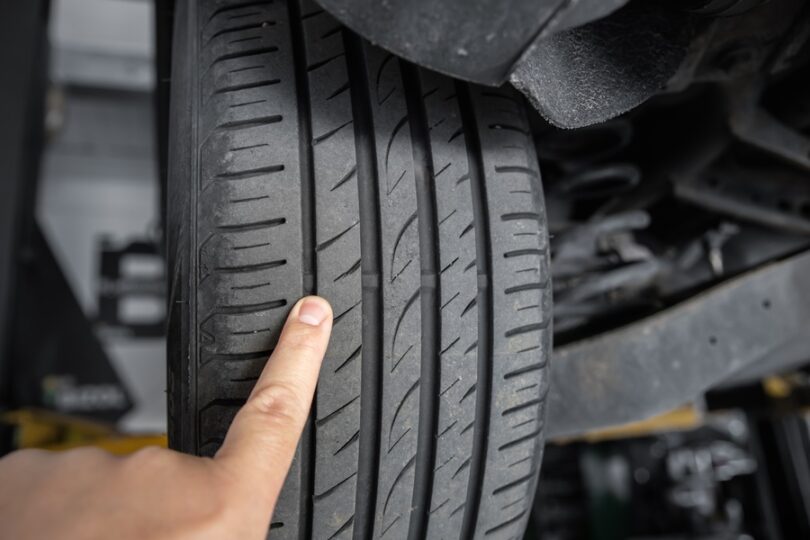
When tires start wearing down in a patchy or irregular way, the issue is not just cosmetic. Uneven tire wear can reduce traction, create a rougher ride, and shorten the life of a full set of tires. Keep reading to understand the common things that can cause your tires to wear unevenly.
Misaligned Wheels Can Wear Tires Fast
Wheel alignment plays a major role in how your tires meet the road. If the angles are off, one side of the tire may carry more of the load than the other. That creates feathering, edge wear, or rapid wear in specific spots.
It’s also possible there’s significant damage to the wheels themselves. Uneven tire wear is a sign you may need to replace your car’s wheels, so if you spot it, inspect the tire and wheel fully to pinpoint the culprit.
Incorrect Tire Pressure Changes Contact With the Road
Another thing that can cause your tires to wear unevenly is incorrect tire pressure. Too much or too little air can both cause tire wear problems. Overinflated tires wear more through the center, while underinflated tires wear along the edges. Either way, the tread does not make balanced contact with the pavement.
Temperature swings, neglected maintenance, and slow leaks can all affect pressure. A quick pressure check every month helps drivers catch the problem before it ruins a tire. It is one of the simplest ways to prevent uneven tire wear and improve everyday handling.
Suspension Problems Put Extra Stress on Tires
Your suspension helps plant the tires evenly on the road. When shocks, struts, or other suspension parts wear out, the tires can start bouncing or carrying weight unevenly. That can create cupping or scalloped patterns across the tread.
A driver may feel more vibration, less control over bumps, or a ride that seems unusually harsh. You should not ignore these warning signs, especially on Los Angeles’s busy roads, where steady handling matters.
Tire Rotation Delays Uneven Wear Patterns
Front and rear tires do not wear at the same rate. On many vehicles, the front tires handle more of the braking, turning, and weight. Without regular rotation, one pair can wear down much faster than the other.
Rotation helps spread that stress across all four tires. It will not fix an existing mechanical issue, but it can help extend tread life and reveal hidden problems earlier.
Driving Habits Also Make a Difference
Hard braking, fast cornering, and frequent contact with curbs can all wear tires unevenly. Aggressive driving creates extra friction and heat, while repeated impacts can knock a vehicle out of alignment.
In Los Angeles, where drivers navigate crowded streets, narrow parking spaces, and long stretches of freeway, habits behind the wheel matter. Smoother driving does not just improve comfort. It also helps protect your tires and supporting components over time.
Why Early Attention Matters
Uneven tire wear usually points to a deeper issue. Catching it early can save money, improve safety, and keep your car driving the way it should. A quick inspection now can prevent a larger repair later.