
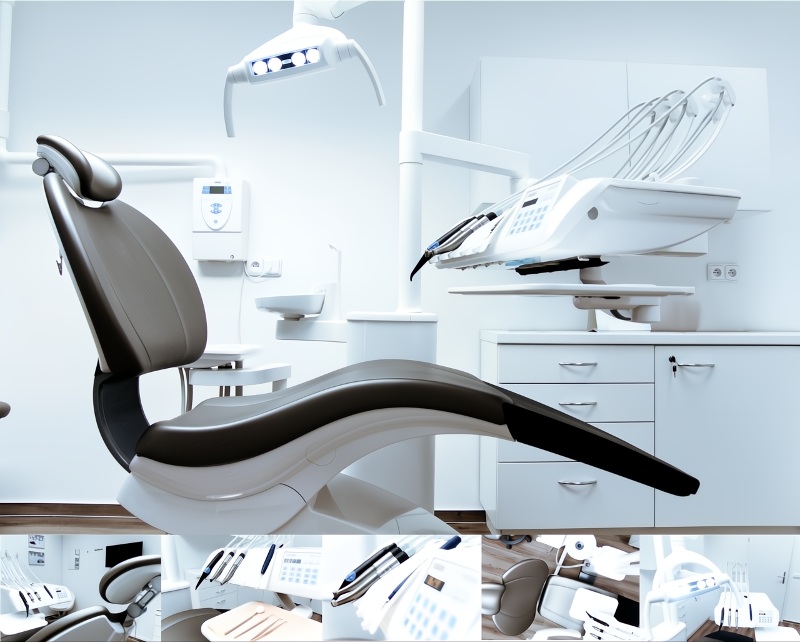

In today’s rapidly advancing field of dentistry, staying updated with the latest technology is essential for providing top-notch patient care. Modern dental equipment not only enhances diagnostic accuracy but also improves the efficiency and effectiveness of treatments. In this blog post, we will explore several key areas of modern dental technology, including advanced imaging systems, CAD/CAM technology, sterilization and infection control, implantology equipment, endodontic technology, and digital dentistry innovations.
Advanced Imaging Systems
Advanced imaging systems have revolutionized the way dental professionals diagnose and plan treatments. Digital X-rays, for instance, offer significant advantages over traditional film-based X-rays. They produce images with higher resolution and expose patients to lower levels of radiation. Additionally, these digital images can be easily stored, retrieved, and shared with other healthcare providers.
Intraoral cameras are another significant advancement. These small, pen-sized devices allow dentists to capture high-resolution images of a patient’s mouth. This visual aid helps in explaining diagnoses and treatment options to patients, enhancing their understanding and involvement in their own dental care.
Cone Beam Computed Tomography (CBCT) is yet another cutting-edge technology. It provides three-dimensional images of the patient’s oral structures, enabling precise planning for complex procedures like implant placements and orthodontic treatments. The detailed images obtained from CBCT scans help in identifying issues that might not be visible through traditional two-dimensional imaging techniques.
CAD/CAM Technology
Computer-Aided Design and Computer-Aided Manufacturing (CAD/CAM) technology has brought a significant transformation in dental restorations. This technology allows for the precise design and creation of dental prosthetics, such as crowns, bridges, and veneers, right in the dental clinic. The process involves scanning the patient’s mouth with a digital scanner, designing the restoration on a computer, and then milling it from a block of ceramic or composite material.
The benefits of CAD/CAM technology are numerous. It reduces the turnaround time for dental restorations, often allowing for same-day service. The precision of CAD/CAM-designed restorations ensures a better fit and enhances the durability and aesthetic appeal of the prosthetics. This technology also minimizes the need for multiple visits, making it more convenient for patients and improving overall clinic efficiency.
Sterilization and Infection Control
Ensuring a sterile environment is paramount in any dental practice. Modern sterilization systems have advanced significantly, ensuring that dental instruments are free from any contaminants. Autoclaves, which use steam under pressure to sterilize equipment, are now more efficient and reliable. They can sterilize a wide range of instruments quickly, ensuring that there is no delay in patient care.
Ultrasonic cleaners are another essential piece of clinic equipment. They use ultrasonic waves to clean dental instruments by creating microscopic bubbles that remove debris and contaminants. This method is highly effective for cleaning intricate and hard-to-reach areas of dental tools.
Infection control products, including disposable barriers, disinfectants, and UV air recirculators, play a crucial role in maintaining a safe environment for both patients and staff. These products help to minimize the risk of cross-contamination and ensure compliance with health and safety standards.
Implantology Equipment
The field of implantology has seen remarkable advancements with the development of specialized equipment. Dental implants require precision and accuracy, which is now achievable with the latest surgical kits and instruments. These kits often include guided surgery tools that help in the accurate placement of implants, reducing the risk of errors and improving the success rates of implant procedures.
Bone grafting materials and membranes have also improved, allowing for better integration and stability of dental implants. These biomaterials support the regeneration of bone and soft tissues, ensuring a solid foundation for implants and enhancing the overall outcomes of implant surgeries.
Endodontic Technology
Endodontics, the branch of dentistry dealing with root canal treatments, has benefited immensely from technological advancements. Rotary endodontic systems, for example, have made root canal procedures faster and more efficient. These systems use electrically powered instruments that can clean and shape the root canals with greater precision and less manual effort.
Apex locators are another vital tool in modern endodontics. They help in accurately determining the length of the root canal, which is critical for successful treatment. By providing real-time feedback, these devices ensure that the entire canal is thoroughly cleaned and sealed, reducing the risk of future infections.
Digital radiography and advanced irrigation techniques have also contributed to the success of endodontic treatments, making them more predictable and less painful for patients.
Digital Dentistry Innovations
The integration of digital technology in dentistry has opened up new possibilities for patient care. 3D printing, for instance, allows for the creation of highly accurate dental models, surgical guides, and even custom-made dental implants and prosthetics. This technology enables dentists to provide more personalized and precise treatments.
Digital scanners have replaced traditional impression methods, offering a more comfortable and accurate way to capture the details of a patient’s mouth. These digital impressions are then used to design restorations or orthodontic appliances, ensuring a perfect fit and reducing the need for adjustments.
Furthermore, digital workflow systems streamline the entire dental treatment process, from diagnosis and treatment planning to the actual execution and follow-up. These systems improve communication between different departments and specialists, enhancing the overall efficiency and effectiveness of dental care.
In Conclusion
The adoption of modern dental equipment is essential for any dental practice aiming to provide high-quality care. From advanced imaging systems and CAD/CAM technology to sterilization and infection control measures, implantology equipment, endodontic technology, and digital dentistry innovations, these advancements not only improve patient outcomes but also enhance the efficiency and effectiveness of dental treatments. Staying abreast of these technological advancements ensures that dental professionals can meet the evolving needs of their patients while maintaining the highest standards of care.
Photo by Daniel Frank.