


Many people tend to believe that having great skin is mainly attributed to their genes. But the truth is, it’s affected by your daily habits, lifestyle, and how often you pay attention to your skin. Some people tend to spend much of their time looking into different skincare products and testing which one’s best for them, while others simply don’t care at all. Ultimately, taking care of your skin is a personal matter, and if you’re to settle on a particular routine for it, it needs to be personalized for your skin type.
Using the most expensive and well-known skincare products isn’t enough. Aside from skin type, your skincare routine would depend on product ingredients and the time of the day you do your routine. Whether you want to create a three-step or an eight-step skin care regimen, ensure that you’re applying the products in proper order.
To get started, here are the steps in building a skincare routine that’s right for you:
1. Know Your Skin Type
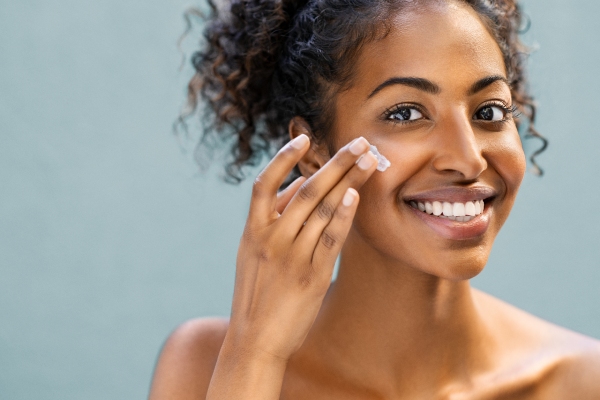
Before shopping for skincare items, you need to identify your skin type first. Knowing this would affect which products you need to use and how often you can and should use them. Check which of the following categories applies to you:
- Dry skin is rough, flaky, or scaly.
- Oily skin is greasy and often has big pores.
- Sensitive skin may easily burn, itch, or sting after using makeup or skincare products.
- Normal skin is not sensitive, clear, and balanced.
- Combination skin can be dry in certain spots like the cheeks yet oily in others such as the chin, nose, and forehead.
After figuring out what your skin type is, only choose products created specifically for it.
2. Wash And Cleanse Your Face
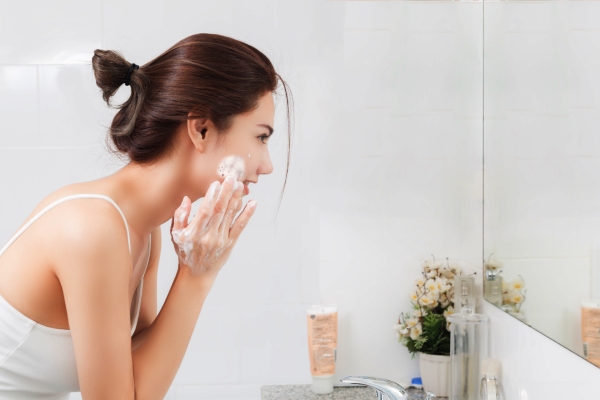
Be it day or night, make it a point to wash and clean your face, but don’t just grab whatever soap you find in the shower, and you don’t need to purchase expensive soap, either. You only have to find a suitable cleanser to remove dirt and grime that may be on your face. During the process of washing, avoid scrubbing; instead, do it as though you’re massaging your face. Once done, gently pat your face dry with a soft towel.
If you have oily skin, make sure to use an oil-free cleanser. After rinsing it off, apply a purifying and exfoliating toner right away to remove excess oil, keep your skin clean, and make it less shiny. If you’ve noticed that your skin gets oily or dries out after being washed, it’s best to try other face cleansers.
3. Apply Toner
Toner should only be used after cleansing and before any other product. They’re for unclogging pores, hydrating the skin, and enhancing your skin’s texture. Think of it as adding more nutrients to your skin.
The way to apply toner can vary, but the traditional method is to mildly soak a cotton pad with it before using it on your face. When applying, avoid putting it on your lips or eyes. Instead, focus on the areas around your neck, the sides of your nose, your eyebrows, and your hairline. Most toners can be used in the morning and again at night. But if you’re using a toner with exfoliating acids, it’s best to use it every other day or only at night.
4. Bring Out The Serum
A serum is a kind of treatment for your skin. Serums can differ based on the skin issues they target. Here’s a table for your reference:
| Skin Issues | Serum Ingredient | Uses |
| Dry skin | Hyaluronic acid | Hydrates skin |
| Dull skin with dark spots | Vitamin C | Brightens skin and reduces dark spots |
| Aging skin with fine lines | Retinol, vitamin B3 | Boosts collagen production |
| Breakouts, skin irritation, acne | Niacinamide | Reduces inflammation, removes redness, and has antimicrobial properties |
If you don’t have any skin concerns, you may use an antioxidant serum to protect your skin from environmental factors. When applying serum, make sure to check the product description first for any specific instructions on when and how to do so. Generally, you should apply it with your fingers and smooth it out on your entire face until it’s absorbed deep into your skin.
5. Moisturize Your Skin
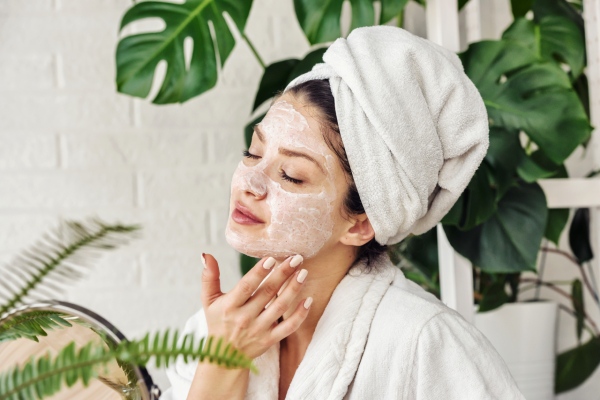
The primary function of moisturizer is to keep your skin glowing, hydrated, and soft. Moisturizers help prevent water loss in your skin throughout the day. If there’s one product that doctors would recommend to be used for all skin types all year round, it would be moisturizer. That’s because your skin tends to lose its natural moisture when you’re doing your daily activities or as you age.
Remember: you’re never too young to need moisturizer since everyone should use it in the first place. You can apply it after washing and toning your skin. If you have a breakout, use an oil-free moisturizer to avoid blocked pores.
6. Sunscreen Is Your Best Friend
Some moisturizers may already have sunscreen, but it’s better to have separate sunscreen protection for best results. Wherever you go, the sun can quickly damage your skin, even if you’re under it for only 15 minutes. What’s worse, too much sun exposure can cause premature skin aging and even skin cancer. So invest in a sunscreen that provides broad-spectrum protection or with a minimum SPF of 30. Treat it as your best friend and apply it every day regardless of the weather.
Endnote
The purpose of your skincare routine is to refine your complexion and fix any skin issues you may have. With the right regimen, you’re allowing yourself to make changes for the better. It may not always result in flawless skin, but it’ll keep your skin healthy and glowing every day, which would ultimately boost your self-confidence as well.