
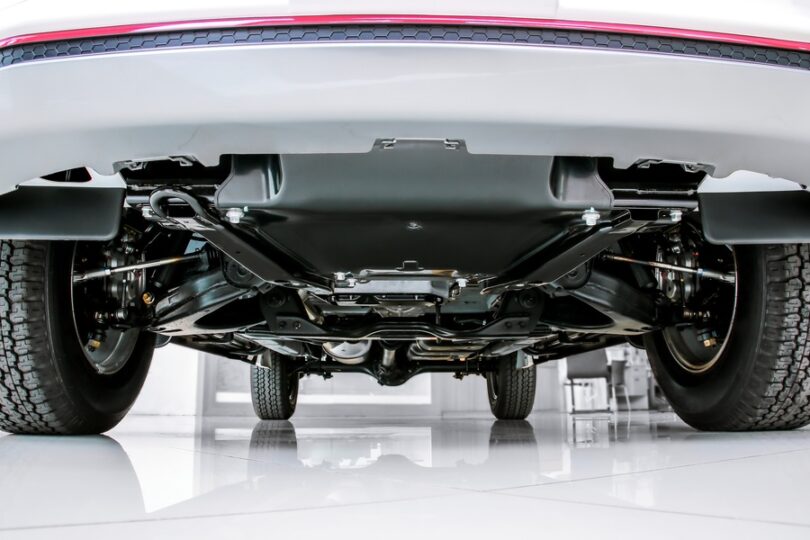

Every drive should feel smooth, controlled, and confident, but when your car starts to feel unpredictable or rough, that excitement quickly turns into frustration. Suspension problems can appear through subtle changes in handling and comfort.
Catching those early warning signs makes all the difference. Let’s break down the 6 signs your vehicle’s suspension is in trouble so you can stay in control and enjoy every mile.
1. Excessive Bouncing After Bumps
Hit a speed bump and notice the car keeps bouncing? That’s not normal. A healthy suspension absorbs impact and settles quickly.
When shocks or struts wear out, they can’t control movement the way they should. The result feels floaty, unstable, and honestly a little nerve-wracking. If the car keeps bouncing after one dip in the road, it’s time to pay attention.
2. Nose Dives When Braking
Does the front end dip hard when you press the brakes? That forward lurch signals weak suspension components.
Strong suspension keeps the weight balanced during sudden stops. When parts wear down, the front absorbs too much force, affecting braking performance and overall control.
3. Uneven or Rapid Tire Wear
Take a closer look at your tires. Do they show wear on one edge more than the other? Suspension issues often cause uneven tire contact with the road.
Misalignment, worn bushings, or failing control arms can all contribute. Components like lateral and tension links play a major role in keeping everything properly aligned and stable. Knowing when lateral and tension links need an upgrade helps you connect uneven tire wear to the larger suspension picture and correct the issue before it worsens.
4. Steering Feels Loose or Unresponsive
Your car should respond quickly when you turn the wheel. If the steering feels loose or delayed, something isn’t right.
Worn suspension components create extra play in the system. That looseness reduces precision and makes sharp turns feel less confident. On highways or winding roads, that lack of control becomes more noticeable.
5. Clunking, Knocking, or Squeaking Sounds
The sounds your car makes can be an easy way to know if something’s wrong. This could be clunking following every bump or squeaking during turns; your suspension likely struggles to do its job.
Worn ball joints, tired bushings, loose sway bar links, or stressed control arms often cause the noise. Don’t brush it off. Small sounds tend to grow into expensive problems when you let them linger.
6. The Ride Feels Rougher Than Usual
A car should feel connected to the road, not harsh and jarring. If every crack in the pavement feels amplified, worn suspension components may struggle to absorb impact. Over time, that constant vibration reduces stability and takes away the confident, planted feel that makes driving fun.
These signs that your suspension needs help influence safety, tire life, and driving confidence. If your vehicle doesn’t feel as sharp and controlled as it once did, trust that instinct. A thorough inspection can pinpoint worn components and restore the ride you love.