
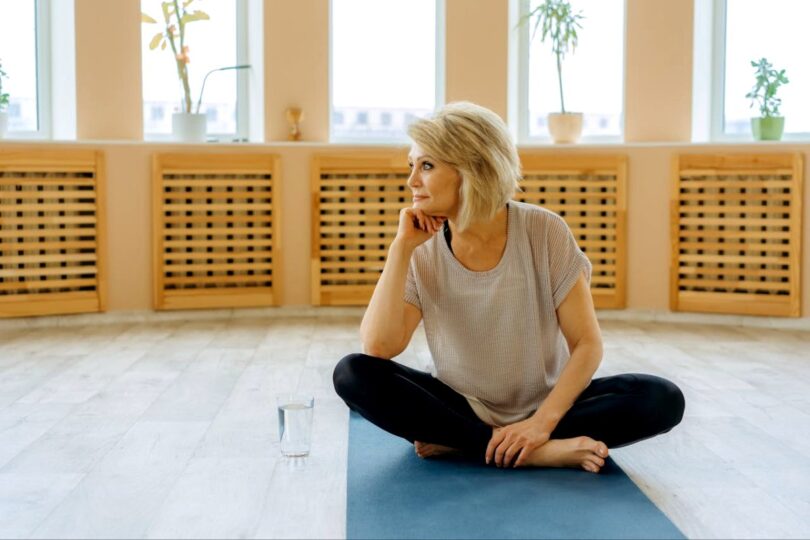

As people grow older, their needs become more complex. They may face health problems, emotional struggles, and changes in their social lives. Many older adults also experience feelings of loneliness and isolation.
Traditional medical care often focuses only on the disease or condition. But older adults need more than just treatment for symptoms. They need care that looks at the whole person-body, mind, and emotions. This is why holistic care is so important for the elderly. It helps improve their quality of life in many ways.
Physical Benefits of Holistic Care
Holistic care supports the physical health of older adults in many ways. It encourages a healthy diet, regular physical activity, and enough rest. These basic things are very important but often overlooked. For example, good nutrition helps the body heal and stay strong.
Physical activities like walking, stretching, or swimming can help maintain strength and prevent falls. Holistic care also includes gentle therapies like massage, acupuncture, or yoga. These therapies can ease pain and increase mobility.
Older adults may live with multiple health conditions, such as heart disease, arthritis, or diabetes. Holistic care takes all of these into account. It creates a plan that works together with traditional medicine. This helps manage symptoms in a balanced way.
Emotional Support and Mental Health
Mental health is just as important as physical health. Many elderly people struggle with depression, anxiety, or feelings of loss. These feelings may come from losing a loved one, retirement, or a change in their living situation. Holistic care pays attention to emotional well-being. It encourages open communication, emotional expression, and therapy when needed.
Support groups or counseling sessions can give older adults a safe place to talk. Art therapy, music therapy, or pet therapy can also bring comfort. These activities give them a way to express themselves and feel joy. When emotions are addressed, seniors can feel more at peace and connected to others.
Cognitive Health and Brain Function
As people age, they may find it harder to remember things or think quickly. Holistic care includes brain activities that keep the mind active and engaged. Reading, doing puzzles, or learning new hobbies can support brain health. Even simple conversations can help keep the mind sharp.
Social interaction is also very helpful. Talking with friends or joining group activities keeps the brain busy. Holistic care understands that the brain needs exercise too-just like the body. It promotes mental stimulation as a way to delay memory loss and support mental function.
Social Connection and Belonging
One of the biggest challenges for elderly people is loneliness. When they retire or lose close friends and family members, they may feel alone. Holistic care places a strong focus on social health. It encourages building and keeping meaningful relationships. Family visits, community events, and group hobbies help seniors feel connected.
Social connection improves mood and even physical health. It lowers stress, reduces depression, and improves self-esteem. People who feel part of a community tend to live longer and happier lives. Holistic care ensures that elderly people are not left feeling isolated.
Spiritual Care and Inner Peace
Spiritual health is about finding peace, purpose, and connection. It may include religious faith, but it does not have to. For some, it means attending a church or praying. For others, it might be meditation, time in nature, or personal reflection.
Holistic care respects all spiritual beliefs. It encourages activities that help the person feel grounded and hopeful. These practices can bring calm during times of pain or illness. Spiritual care helps seniors cope with life changes and find meaning in their everyday experiences.
Better Communication with Caregivers
Good communication between caregivers and elderly patients is essential. Holistic care promotes trust and understanding. When seniors feel that someone is listening to them, they feel valued. They are more likely to speak openly about their problems and concerns.
This kind of communication leads to better decisions. It helps caregivers understand what the person really needs. It also reduces misunderstandings and stress. Care becomes more effective when there is honesty and respect on both sides.
Family Involvement and Support
Family members are an important part of elderly care. They help with daily tasks and offer emotional support. Holistic care includes families in the care process. It gives them the tools they need to provide better support.
When families are involved, elderly people feel safer and more loved. They feel like they are part of a team. Family members also feel more confident when they understand how to help. Everyone benefits when care is shared with respect and cooperation.
Personalized and Respectful Care
Every person is different. Their life experiences, culture, beliefs, and values make them unique. Holistic care honors this uniqueness. It does not treat everyone the same way. Instead, it creates a care plan that matches the person’s own story.
This kind of care is respectful. It considers what the person wants, not just what the doctor recommends. For example, some people may prefer natural remedies, while others may want religious support. A personalized approach makes the elderly person feel seen and heard.
It’s important to look for a geriatrician near me who understands and practices holistic care. A specialist like this can design care that meets both medical and personal needs.
Preventive Focus and Long-Term Wellness
Holistic care looks at long-term health, not just short-term fixes. It focuses on preventing illness, not just treating it. Regular check-ups, a good diet, exercise, and emotional support help prevent many common problems in older adults.
This type of care helps people live independently for as long as possible. It keeps them active, involved, and hopeful. Preventive care reduces hospital visits and health costs in the long run. More importantly, it gives elderly people a chance to enjoy their later years with dignity and comfort.
All About Holistic Care for the Elderly
Holistic care offers many benefits for elderly individuals. It looks at more than just illness-it cares for the whole person. It supports physical health, emotional well-being, mental sharpness, and spiritual peace. It builds strong relationships and helps seniors feel loved and respected.
Holistic care helps prevent future problems and promotes a better quality of life. It treats each person as someone who matters-not just a patient. As we care for our aging loved ones, holistic care is the kindest and most complete path we can choose.
Looking for more tips and ideas? We’ve got you covered. Check out some of our other posts now.
Photo by Mikhail Nilov