
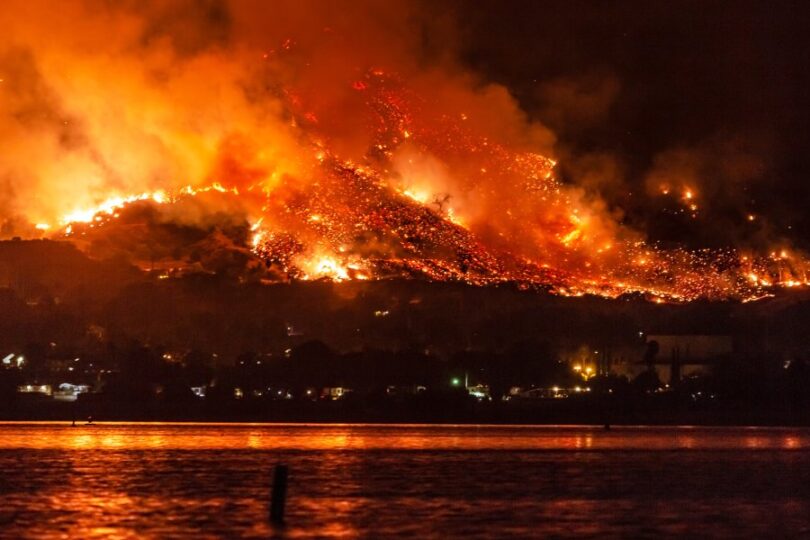

Wildfires are powerful and unpredictable forces of nature that can impact ecosystems, communities, and lives. For wildland firefighters, understanding the different types of wildfires is critical for ensuring safety and developing effective strategies. From terrain and vegetation to weather patterns, many factors influence how these fires behave, making knowledge and adaptability essential tools in combating them.
Ground Fires
Ground fires burn slowly beneath the surface, consuming organic material such as tree roots or peat. Unlike the roaring flames seen in surface fires, ground fires can smolder for extended periods, often without visible flames. Their low visibility makes detection challenging, and they can reignite as surface fires under the right conditions. The stubborn nature of ground fires demands careful monitoring and specialized suppression techniques to prevent them from escalating.
Surface Fires
Surface fires are the most common wildfire type, burning low vegetation such as grass, leaves, and shrubs. These fires spread rapidly when fueled by dry foliage and strong winds, often igniting vast areas in little time. Firefighters typically use direct attack methods to confront these blazes head-on.
However, strategies can vary significantly depending on terrain and conditions. The differences between offensive and defensive firefighting play a critical role in planning and execution.
Crown Fires
Crown fires, also known as canopy fires, are perhaps the most dangerous type of wildfire. These fires leap from treetop to treetop, spreading quickly and often jumping long distances. Frequently originating from surface fires, crown fires can cover vast areas in mere minutes, creating challenges that are difficult to manage without aerial firefighting support.
The combination of rapid spread and spotting necessitates indirect attack strategies and meticulous planning to contain their destructive force.
Spot Fires
Spot fires ignite when wind-driven embers break away from the main fire and land outside containment lines, sometimes miles away. These smaller fires may appear manageable at first, but they can grow rapidly under the right conditions, catching crews off guard. Spot fires often threaten safety zones, escape routes, and areas previously thought secure, making them especially dangerous.
Firefighters must stay alert, coordinate closely with lookouts, and adapt quickly to shifting conditions to contain these unpredictable threats.
Hybrid Fire Behavior
Few wildfires are confined to just one type. Many involve a mix of behaviors, such as a surface fire transitioning into a crown fire. These hybrid situations present unique challenges, demanding flexibility and swift decision-making. Wildland firefighters must assess conditions in real time while maintaining critical teamwork and coordination.
Understanding the different types of wildfires in these complex scenarios enables crews to adapt effectively and prioritize safety.
Stay Sharp, and Stay Safe
Every wildfire is dynamic and influenced by varying factors such as terrain, vegetation, and wind. While knowledge of fire types strengthens response strategies, wildland firefighters must stay sharp, adaptable, and committed to continuous learning. Through diligence and preparation, we can improve safety and effectiveness on the fire line, leaving a lasting impact in the battle against nature’s fiercest elements.