
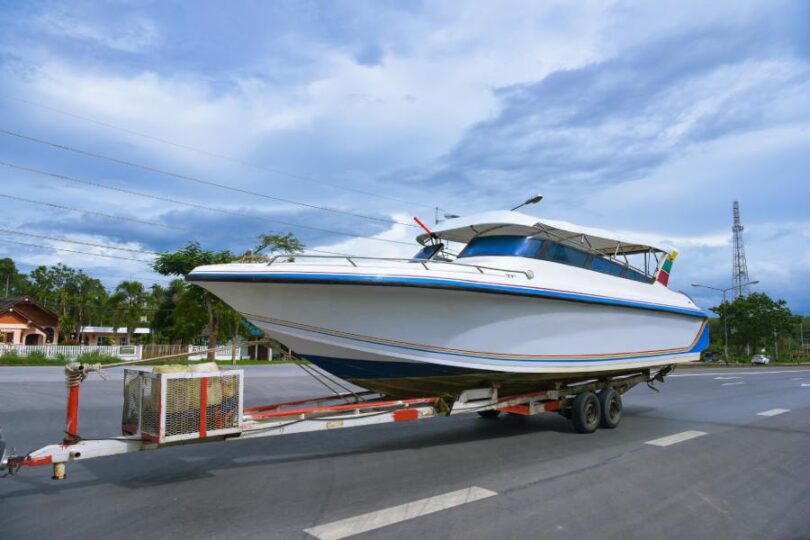

Getting a boat ready for a major move takes more than hooking up a trailer and hoping for a smooth trip. Boat shipping for long-haul transport goes more smoothly when the prep work covers the small details that tend to cause the biggest delays. A clean, organized boat is easier to inspect, easier to secure, and far less likely to show up with preventable issues. So, before the route is locked in, the smartest move is to get the vessel road-ready from bow to stern.
Start With Weight and Dimensions
Accurate measurements shape almost every part of the move, from trailer fit to route planning. Height and total loaded weight all matter once the boat is out of the water and on transport equipment. Loose estimates can create permit issues or loading problems later, so exact numbers make the process much cleaner. Even details like a hardtop or added gear can change what the shipment requires.
Clear Out What Can Shift or Break
Next, remove anything that can rattle or become loose during a long stretch on the road. Electronics, cushions, safety gear, detachable canvas, and personal items should be packed separately from the vessel. Doors and compartments need to be latched securely to prevent road vibration from causing damage. At the same time, draining excess water and checking fuel levels can help reduce unnecessary weight before loading.
Protect the Exterior Before Loading
A long route exposes the boat to grime, so exterior prep matters more than people expect. Wrapping vulnerable areas, padding sharp contact points, and covering exposed surfaces can help preserve the finish. Choosing between enclosed and open boat transport becomes part of the prep itself, since the protection strategy should match the shipping method from the start. When the boat and trailer are both inspected in advance, there is less chance of a surprise once loading begins.
Handle the Mechanical Basics Early
Even when the boat is not traveling under its own power, the mechanical side still needs attention. Batteries should be disconnected if required, and fluid leaks should be properly checked. Small maintenance issues feel a lot bigger when they interrupt pickup day. Taking care of them early keeps the move from turning into a last-minute scramble.
Keep Documents and Delivery Details Tight
Paperwork can be just as important as prep on the boat itself. Registration, proof of ownership, insurance details, and any required permits should be ready before the transport day. Photo documentation also helps create a clear record of the condition before the trip begins. In the end, shipping a boat for long-haul transport feels much more manageable when every moving part is handled before the first mile.