
Running a beach rental in peak season comes with one universal challenge: heat. Between strong sun exposure, salty air, and constant guest turnover, keeping your property comfortable isn’t just a nice touch—it directly impacts reviews, repeat bookings, and maintenance costs.
That’s why understanding how to keep a beach rental cool all summer is essential for hosts looking to stay competitive. The good news is that a few thoughtful upgrades and habits can make a noticeable difference without overcomplicating your setup.
Start with Smart Sun Control
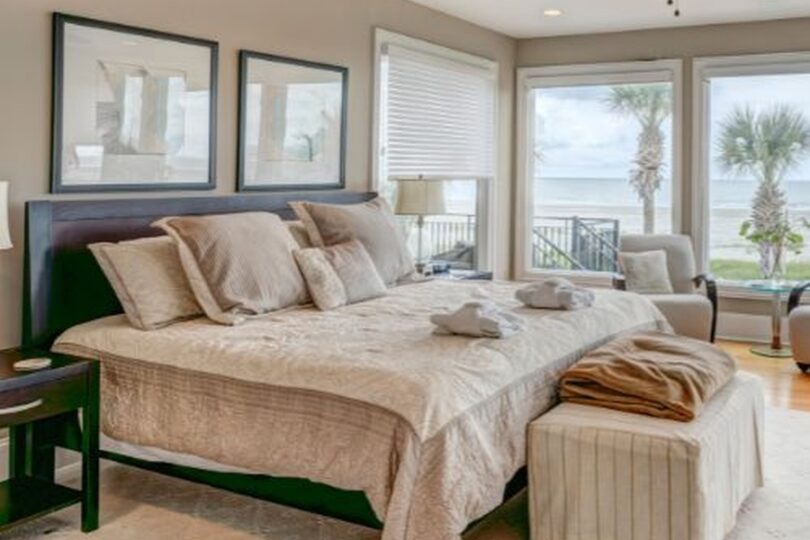
Sunlight is one of the biggest contributors to indoor heat, especially in coastal homes where large windows are part of the appeal. While natural light sells the space in photos, it can quickly turn into a heat trap during summer afternoons.
Curtains and shades can help with heat, but they often come with a tradeoff: less natural light. In a beach rental, that can make the space feel closed off instead of bright and relaxed. What’s nice about these tints is that they come in different percentages, with lower percentages letting in more light than higher percentages. This allows you to choose a tint level for your property that reduces heat but doesn’t completely eliminate the view.
Optimize Airflow Before Cranking the AC
It’s tempting to rely entirely on air conditioning, but airflow plays a huge role in how cool a space feels.
Ceiling fans, when used correctly, can make rooms feel several degrees cooler. Make sure to set their rotation counterclockwise in summer to push air downward. Box fans or tower fans can also help circulate air between rooms, especially in multi-level homes.
Cross-ventilation is another underrated tactic. Opening windows strategically in the early morning or late evening allows cooler air to move through the property before temperatures rise.
Choose Materials That Don’t Hold Heat
Beach rentals often lean into cozy textures, but some materials retain heat better than others. Swap heavy bedding for lightweight, breathable fabrics like cotton or linen during the summer months.
The same goes for rugs and upholstery—lighter materials not only feel cooler but also align better with the relaxed coastal aesthetic many guests expect. Even small changes, like switching to lighter-colored bedding or slipcovers, can make a space feel fresher and more inviting.
Be Strategic with Outdoor Heat Transfer
Heat doesn’t just come from inside; it builds around your property and seeps in. Shade from umbrellas, pergolas, or even well-placed plants can reduce the amount of direct sunlight reaching windows and exterior walls. If your rental has a patio or deck, shaded areas also make outdoor spaces more usable during the hottest parts of the day.
Doors are another key point. Frequent opening and closing, especially with excited beachgoers coming and going, lets hot air rush inside. Consider adding door sweeps or weather stripping to minimize that exchange.
Keep It Simple for Guests
Even the best cooling setup won’t help if guests don’t know how to use it. A short, friendly guide inside the home can go a long way. Include quick notes like:
- When to close blinds during peak sun hours
- Recommended thermostat settings
- How to use fans effectively
This keeps your systems running efficiently while helping guests stay comfortable without guesswork.
Small Upgrades, Big Impact
Keeping a beach rental cool isn’t about one big fix—it’s about layering small, intentional improvements. When hosts consistently apply strategies that keep a beach rental cool all summer, the result is a more comfortable guest experience and a stronger-performing property.
For hosts, that often translates into stronger reviews, fewer maintenance issues, and a property that performs well all season long.