
Every driver has faced that split-second moment when something appears in the lane ahead. A scrap of metal, a shredded tire, or loose gravel can turn an easy commute into an expensive repair. There are many types of road debris you should avoid while driving, especially when traveling to areas that you’re unfamiliar with. If you want to protect your vehicle and avoid downtime, stay alert and treat road debris as more than a minor inconvenience. A little awareness today can save you from a frustrating repair bill tomorrow.
Road debris comes in various forms, and not all of it looks threatening at first glance. Some hazards seem harmless until your vehicle rolls over them. Others cause damage the moment they make contact. Read our list to find the most common types of debris you should steer clear of whenever possible.
Loose Gravel and Small Rocks
Gravel might not look like a major threat, yet it can chip paint, crack windshields, and dent body panels. At highway speeds, small rocks become projectiles. One sharp impact can leave a spiderweb crack across your windshield that demands replacement.
Rocks also bounce into the undercarriage. That’s where brake lines, fuel lines, and electrical connectors sit exposed. Even a minor strike can loosen a connection or damage protective seals. Over time, that kind of impact leads to corrosion or electrical faults.
Tire Fragments and Retreads
Shredded tire pieces litter highways, especially near heavy truck routes. These thick strips of rubber don’t always stay flat. Airflow from passing vehicles lifts them into unpredictable shapes and positions.
If you run over a large tire fragment, it can tear splash guards or rip into plastic underbody panels. In some cases, it catches suspension components or wiring harnesses. That damage doesn’t always show up right away, yet it can surface later as vibration, warning lights, or connector failure.
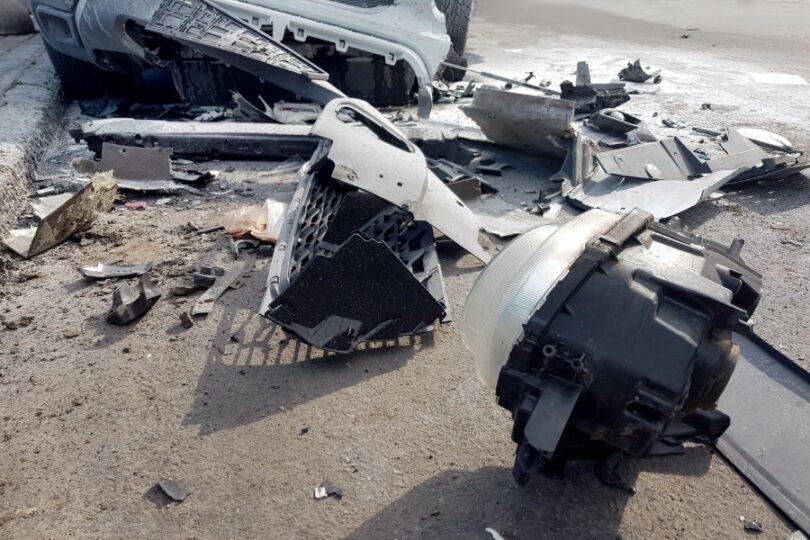
Metal Scraps and Vehicle Parts
Metal debris poses a direct threat to tires and undercarriage components. Pieces of mufflers, brackets, or fallen cargo straps can puncture a tire in seconds. Even smaller shards create slow leaks that leave you stranded miles later.
Sharp metal also scrapes protective coatings from exposed parts. Once bare metal surfaces meet moisture and road salt, corrosion starts. Connectors and terminals near the lower frame rails face higher risk when protective shielding takes a hit. Learning how connector seals protect against road debris will help you understand how these materials withstand extreme hazards on the go.
Construction Debris
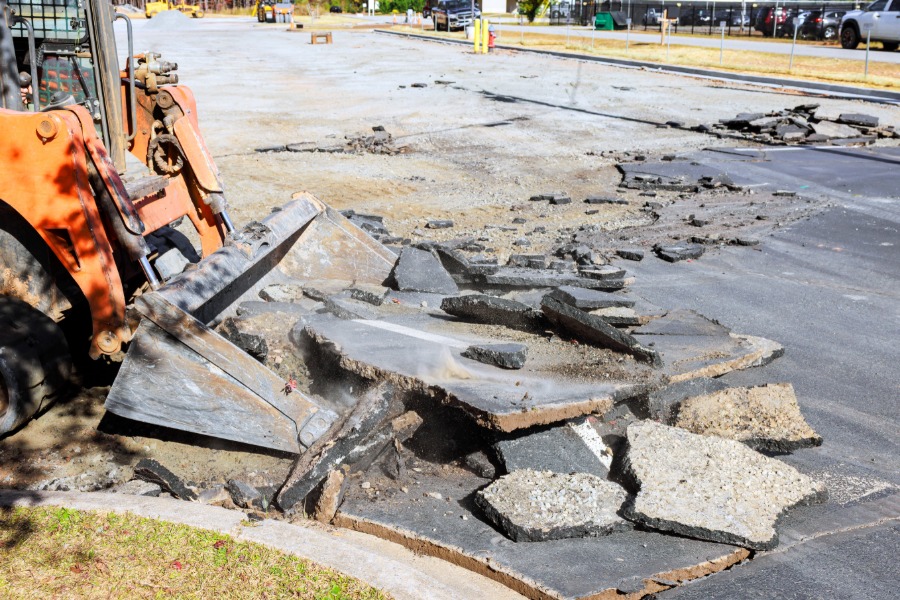
Construction zones introduce nails, screws, broken concrete, and scattered materials. Even with warning signs posted, debris sometimes ends up in active lanes. One misplaced screw can lodge into a tire tread without immediate notice.
Concrete chunks and wood scraps also threaten suspension components. A hard strike may knock alignment out of spec or damage mounting points. For vehicles that rely on precise electrical connections near the frame, that impact can shift harness routing or strain connectors.
Fallen Cargo
Ladders, furniture, buckets, and unsecured tools occasionally tumble from trucks and trailers. These objects create sudden obstacles that force drivers into evasive moves. Swerving at highway speed brings its own set of risks.
Direct impact with large cargo can crush bumpers or damage radiators. In lower-profile vehicles, it may strike the oil pan or transmission housing. Even if the vehicle stays drivable, hidden damage beneath the surface can affect wiring, sensors, and connector housings.
Tree Branches and Natural Debris
Storms scatter branches and leaves across roadways. Smaller branches wedge under vehicles and drag along the pavement. Larger limbs can crack grilles or puncture body panels.
Natural debris also traps moisture against exposed components. When mud and plant matter collect around components, corrosion accelerates.
Liquids and Spilled Materials
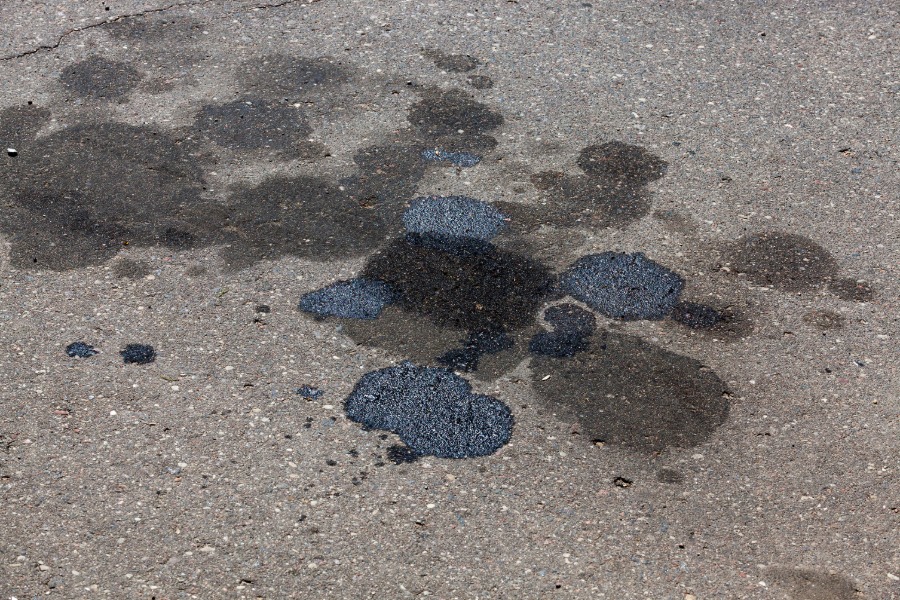
Not all debris is a large solid obstruction. Oil, antifreeze, sand, and gravel from spill incidents create slick or abrasive surfaces. Driving through spilled materials can coat the underbody with residue that sticks to vehicle components.
Oil attracts dirt, which forms a gritty layer over time. That grime works its way into small gaps and weakens protective barriers. For vehicles that operate in demanding environments, exposure to spilled materials compounds wear on electrical systems.
Animal Remains
Though unpleasant, animal remains represent a genuine hazard. Striking debris of this type can damage air dams, lower grilles, and splash shields. In some cases, fluid exposure adds another layer of contamination beneath the vehicle.
Biological residue clings to wiring and connector housings. If left uncleaned, it promotes corrosion and unpleasant odors. Thorough inspection after impact helps prevent long-term issues.
Why Road Debris Matters More Than You Think
The types of road debris you should avoid while driving extend beyond surface scratches and flat tires. Many modern vehicles rely on sensors, harnesses, and sealed connectors placed throughout the chassis. Even a small impact beneath the vehicle can disrupt a connection that supports lighting, braking systems, or engine management.
Professional mechanics see the aftermath firsthand. A damaged connector from road impact can trigger warning lights or intermittent faults. Replacing a specialized automotive connector isn’t always as easy as visiting a local parts store. That’s where sourcing the correct component becomes part of the repair process. Access to the right connector helps restore reliable electrical performance after debris-related damage.
Smart Driving Habits Reduce Risk
You can’t remove every hazard from the road, yet you can lower your exposure. Maintain a safe following distance, especially behind trucks. Scan the roadway ahead rather than focusing only on the vehicle in front of you. Slow down in construction zones and after severe weather. After any impact, inspect your vehicle as soon as it’s safe.
Protect Your Vehicle for the Long Haul
Road debris will always be part of driving. The difference lies in awareness and preparation. When you understand the types of road debris you may encounter on the road or off-road trails, you approach each trip with sharper focus and better judgment.
Take a few minutes this week to inspect your vehicle’s undercarriage and visible components. Look for loose panels, exposed wiring, or cracked housings. If you discover damage, address it before it turns into a larger repair. A proactive approach keeps your vehicle reliable and ready for the miles ahead.