
Connection to Nature and Biophilic Design
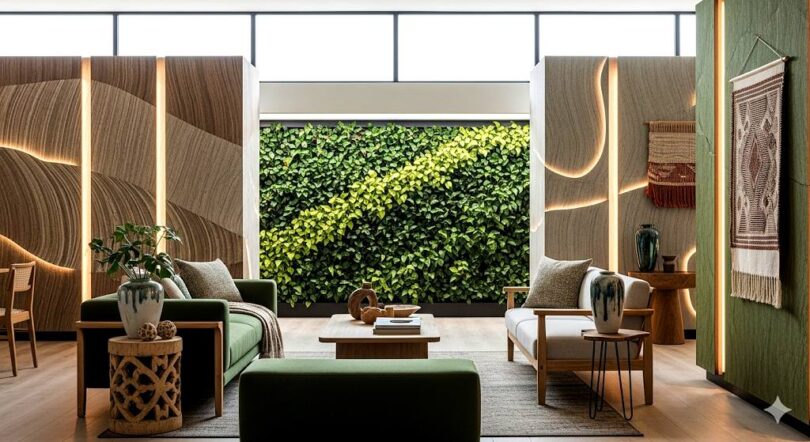
Mimicking natural patterns and organic textures is one of the easiest ways to make a space feel more inviting. Stone, wood grain, or even plant-inspired motifs connect people to the outdoors, even when they’re inside. This connection gives interiors a more natural rhythm that feels less rigid and artificial.
The presence of these textures encourages calm and relaxation. You’ve probably noticed how a room with natural finishes feels cozier than one filled with sterile, flat surfaces. That’s because humans are wired to respond positively to cues from nature, and textures provide those subtle reminders in a built environment.
There’s also the matter of bridging indoor and outdoor spaces. By using materials that reference natural surroundings, architects create smoother transitions between interior and exterior areas. A textured stone wall that extends from the patio into the living room makes the building feel like one cohesive space instead of two separate zones.
Supporting sustainable and eco-conscious design also aligns with this trend. Using solutions like a wood wool acoustic panel not only improves acoustics but also brings a natural, textured element into the space. This combination demonstrates that design can be both functional and environmentally responsible, while remaining closely tied to nature.

Influence on Aesthetics and Visual Interest
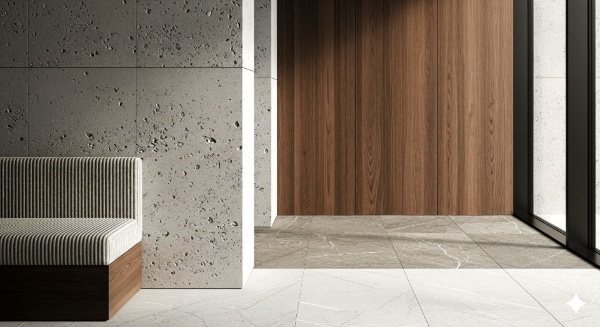
Adding depth and character to otherwise flat surfaces makes a huge difference in how people perceive a space. A wall that has texture feels alive, while a plain wall tends to feel sterile. Designers use this trick to break up monotony and give a sense of personality to interiors.
Textures also enhance the perception of luxury or sophistication. Think about walking into a hotel lobby where the walls have rich stone or carved wood detailing. It feels more refined compared to a flat, painted surface. This added dimension gives visitors an impression of exclusivity without saying a single word.
Another benefit is the way textured surfaces interact with light. When sunlight or artificial light hits them, shadows and highlights form naturally, creating a dynamic effect. This play of light and shadow changes throughout the day, keeping the space visually interesting and fresh rather than static or predictable.
Lastly, textured design elements give architects more creative freedom. Instead of relying only on color or shape, they can experiment with surface treatments to tell a story. Whether it’s bold geometric patterns or subtle organic textures, these design decisions help turn a building into something memorable rather than just another functional space.
Functional Benefits Beyond Looks
Textured surfaces often play a role in improving acoustics. In large halls, restaurants, or offices, flat walls can cause echoes that make conversation difficult. Materials with ridges, grooves, or porous qualities absorb sound more effectively, making the environment more comfortable and functional without needing obvious acoustic panels.
Safety is another overlooked benefit. Surfaces with texture enhance grip, especially on floors or stairs. This matters in both public spaces and homes because slip-resistant finishes reduce the chance of accidents. Designers often incorporate subtle textures that don’t interfere with aesthetics but still offer practical protection.
Controlling light reflection and glare is also easier with textured materials. A flat, glossy wall might reflect too much light, creating harsh conditions, whereas a textured finish scatters it. This makes spaces feel softer, reduces eye strain, and allows for a more balanced visual environment throughout the day.
Durability plays into this conversation as well. Textured finishes often handle wear and tear better than smooth ones. Scratches or minor dents are less noticeable, and certain treatments add resistance to impact or weathering. This combination of toughness and style makes them a reliable option for both interior and exterior applications.
Technological Advances in Materials
3D printing has completely changed the way architects think about textures. Instead of relying on traditional carving or molding, designers can now print intricate patterns with precision. This technology enables the creation of fully customized surfaces that would have been too complex or expensive to produce a decade ago.
Innovative cladding and panel systems also make textured design more accessible. Prefabricated panels with unique finishes can be installed quickly, reducing labor time. They’re available in a wide range of styles, which means architects can achieve sophisticated looks without complicated or time-consuming construction methods.
The integration of smart materials has opened new possibilities. Some surfaces can now respond to touch, temperature, or light, giving texture an interactive role. Imagine a wall that changes its feel depending on sunlight exposure or one that reacts when someone brushes against it. That’s no longer science fiction.
Cost-effective replication of high-end finishes makes texture more democratic. Not every project can afford natural marble or carved wood, but modern composites and laminates mimic these looks convincingly. This allows architects to bring elegance and detail into a design without straining the budget, keeping style within reach for more projects.
Cultural and Regional Influences
Traditional craftsmanship often makes its way into modern textured surfaces. Techniques like weaving, carving, or stone masonry inspire contemporary treatments. By adapting these methods, designers preserve cultural heritage while still pushing architecture forward, creating buildings that feel both rooted in history and fresh for today’s audiences.
Local heritage and identity are also reflected through textures. In some regions, rough stonework is instantly recognizable, while in others, smooth clay tiles carry cultural weight. Including these textures isn’t just aesthetic—it communicates belonging and identity, giving the building a story that ties it to its location.
In public and community spaces, familiarity is essential. Using regional textures makes people feel more at home in shared environments. For example, a textured brick wall may remind residents of their town’s older architecture, creating continuity between past and present while still functioning within a modern framework.
Storytelling through design comes alive with textured surfaces. Carvings, reliefs, or even abstract patterns can symbolize cultural themes or historical references. Instead of relying only on signage, the building itself becomes part of the narrative, subtly communicating meaning through tactile and visual cues built into its surfaces.
Wrap Up
In the end, textured surfaces do more than change how buildings look—they shape how people experience them. Whether enhancing comfort, reinforcing brand identity, or pushing sustainable innovation, texture has become a defining feature of modern architecture, proving that even the smallest details can make the biggest difference.