
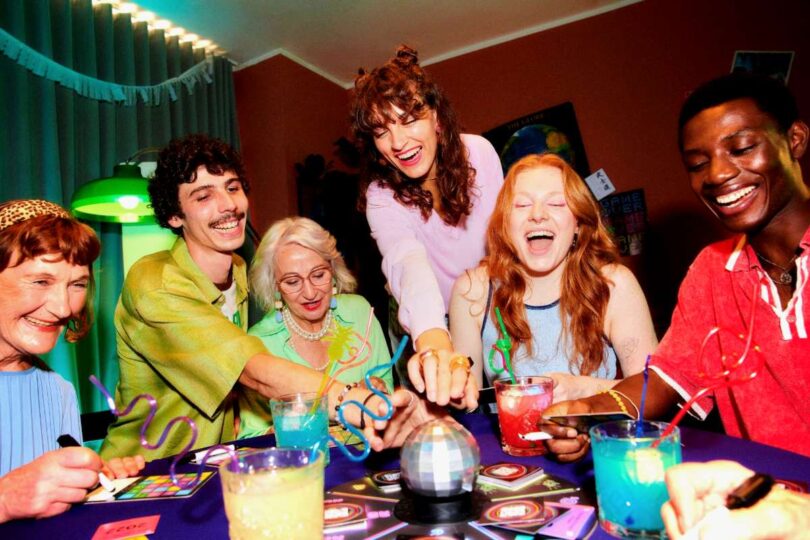

Some plans fall apart before they even start. Somebody cancels, someone else is late, and half the group ends up staring at their phones. But music has a way of rescuing a night fast. Put on the right song, and suddenly people are laughing, singing, telling stories, and arguing over who actually remembers the lyrics correctly. That’s exactly why music-based games have exploded lately, and Hitster, The Music Party Game is landing right in the middle of that trend.
Unlike traditional board games that can take forever to explain, Hitster works because almost everyone already understands the language: music. One song can instantly transport people back to high school dances, road trips, weddings, breakups, family barbecues, or late nights with friends. The game taps directly into that shared nostalgia, which is part of what makes it so addictive once a group starts playing.
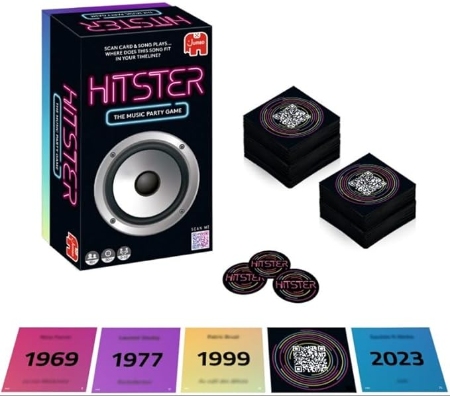
The setup is refreshingly simple. Players scan music cards using the free Hitster app, listen to the song, and try to place it correctly within their personal music timeline. The challenge sounds easy at first until someone confidently places a song five years off and the entire room erupts.
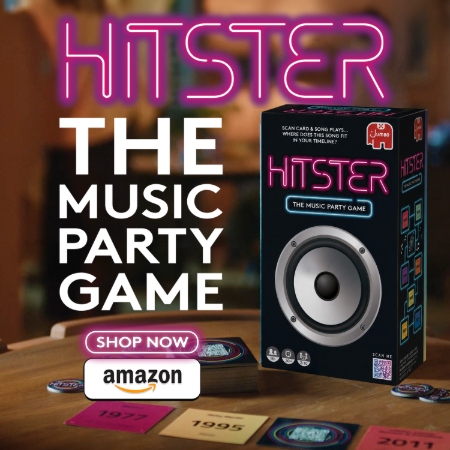
What makes Hitster stand out is that it doesn’t require anyone to be a hardcore trivia expert. It’s less about obscure music knowledge and more about instinct, memory, and the emotional connection people have with songs they grew up hearing everywhere. One minute someone is celebrating because they nailed the placement of a classic anthem, and the next minute they’re shocked to discover a song they swore was from 2012 actually came out in 2006.
The game works for everything from family gatherings to casual nights with friends because it moves quickly and keeps people engaged instead of waiting forever for turns. It supports two to ten players, making it flexible enough for smaller hangouts or louder group nights where everyone wants in on the chaos.
Part of the fun also comes from the themed editions. Versions like All American and Latino lean into the music that shaped different generations and cultures, which adds another layer of personality to the experience. Suddenly the game becomes more than competition. It turns into storytelling. People start sharing memories tied to certain songs, artists, concerts, and eras.
That social connection is one reason music games have become such a strong alternative to endless scrolling and passive entertainment. They create actual interaction. Studies have long linked music to memory recall, emotional bonding, and mood improvement, and games like Hitster naturally tap into all three without feeling forced or overly structured.
It also helps that the learning curve is practically nonexistent.
How Hitster Works
- Scan a music card using the free Hitster app
- Place the song in your timeline
- First player to build the perfect timeline wins
The simplicity is part of the appeal. Nobody wants to spend an hour reading instructions at a party.
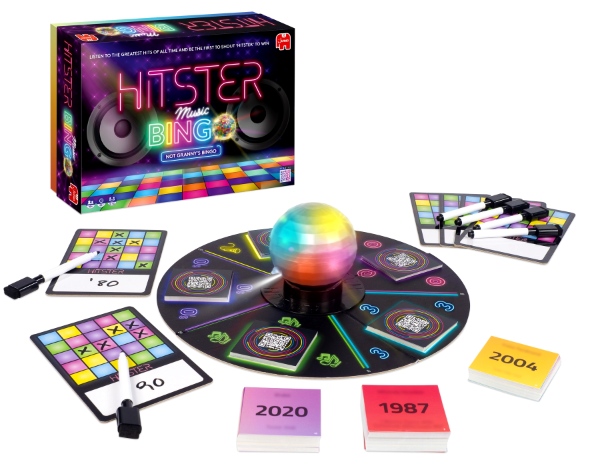
And now the game is expanding even further. Launching this June is an all-new Hitster Bingo version, adding a faster-paced format designed for even bigger group interaction. The bingo-style setup looks positioned for parties, larger gatherings, and events where crowd participation matters just as much as competition.
Hitster, The Music Party Game
At a time when people are constantly looking for ways to reconnect in real life instead of through screens, games built around music feel especially well-timed. Everybody may not agree on politics, movies, or what to order for dinner, but put on a song everyone knows and suddenly the room changes.
That’s the sweet spot Hitster seems to understand better than most.
Natasha Coppin, US Marketing Manager with the Jumbo Group, the company behind Hitster which publishes, manufactures, and distributes the game worldwide, was happy to answer some questions we had:
LA’sThe Place: What inspired the idea of turning music nostalgia into an interactive party game?
Natasha Coppin: The inspiration for Hitster actually began with inventor Marcus Carleson at a dinner party in 2019. As someone who loved creating quizzes and social games for friends, he experimented with combining music and interactive gameplay by having guests place songs in chronological order on a timeline.
What stood out was how naturally the music sparked conversations, memories, and connections among people of different ages and backgrounds. That experience inspired the idea of creating an inclusive game centered around a musical timeline, which is one that anyone could enjoy regardless of their level of music knowledge.
When Jumbo discovered the concept, there was an immediate alignment around its potential to bring people together. Music has a unique ability to connect generations through shared memories and experiences, and Hitster perfectly embodied the kind of meaningful social interaction we strive to create. Together, we helped transform Marcus’s original idea into a globally loved party game that turns every game night into a shared journey through music history.
LATP: Were you surprised by how emotionally connected people became while playing Hitster?
Coppin: To be honest, I am not surprised. Music connects people and results in major cultural movements. HItster is one of these cultural phenomena, but seeing how deeply personal those moments became for players has been incredibly rewarding. People aren’t just playing a game, they’re sharing memories tied to first concerts, road trips, weddings, family traditions, and different eras of their lives. That emotional connection is what has made Hitster resonate so strongly across age groups and audiences around the world.
LATP: How do you choose the songs that make it into each edition of the game?
Coppin: Song selection is a huge part of the experience, and we work with music experts to build the best gameplay experience for players. The goal is always to create a balanced mix of iconic hits, cross-generational favorites, and unexpected tracks that spark conversation and excitement. We look at cultural impact (i.e. All American and Latino), recognizability, and overall playability to ensure every round feels engaging and dynamic. Ultimately, we want every player to have those “I know this song!” moments while also discovering something new along the way.
LATP: What has been the most unexpected reaction or story you’ve heard from families playing together?
Coppin: One of the most rewarding things has been hearing how Hitster creates genuine connection between generations. We’ve heard stories players bonding over completely different eras of music ] Those shared moments are exactly what games are meant to create.
LATP: What can players expect from the new Hitster Bingo edition, and how does it change the experience from the original game?
Coppin: Hitster Bingo brings a fresh twist to the original gameplay by blending the excitement of music discovery with the fast-paced fun of bingo. It’s designed to be even more accessible for larger groups and party settings, making it easy for anyone to jump in and play instantly. While the original Hitster focuses on building your unique timeline, Hitster Bingo leans into high-energy recognition , singalongs, and more shared fun (i.e.: Is this from before or after 2000?) creating a more social, laugh-out-loud experience that’s perfect for game nights and gatherings.
Exclusively available now at Walmart.com.