
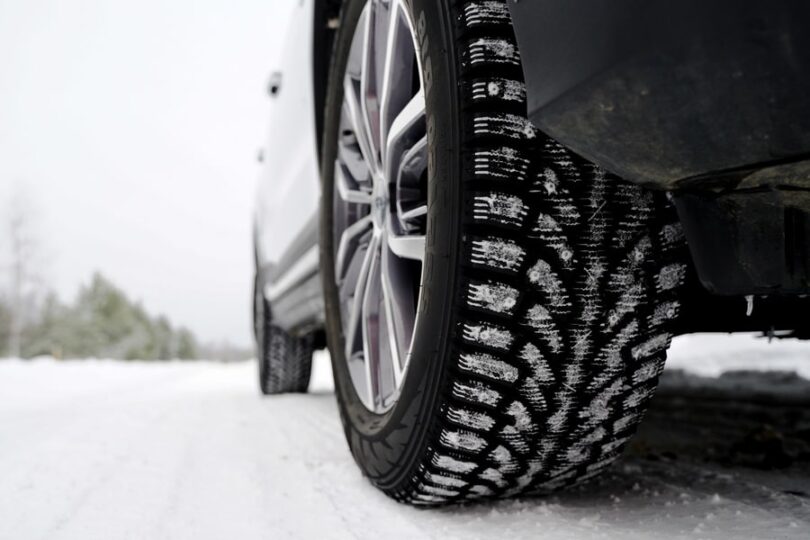

Preparing for a long road trip involves scheduling car maintenance and assessing the weather conditions before hitting the road. While all-season tires will handle most terrain, winter tires benefit drivers in cold weather as their tactile surface clings to the icy roads more effectively. Determine if you should invest in winter tires by learning more about their benefits.
1. Superior Traction on Snow and Ice
Winter tires feature specialized tread patterns designed to grip snowy and icy surfaces. The deeper grooves and unique rubber compounds create better contact with the road, reducing your chances of sliding or losing control. This improved traction gives you confidence when navigating steep hills, sharp turns, or sudden stops during winter storms.
2. Improved Braking Performance
Cold weather affects your vehicle’s stopping distance, and winter tires maintain their flexibility in low temperatures. Regular tires become stiff in cold weather, which increases your stopping distance and raises the risk of accidents. To mitigate these hazards, winter tires compress and expand as needed for optimal braking.
3. Better Handling in Cold Temperatures
The rubber compound in winter tires remains soft when temperatures drop below 45 degrees Fahrenheit, allowing it to conform to road irregularities and maintain better contact with the pavement. All-season tires harden in cold weather, which reduces their grip and makes your vehicle harder to control during turns and lane changes. Even in cold weather, drivers benefit from using winter tires and can expect a smooth drive during their next road trip.
4. Enhanced Safety Features
Winter tires incorporate advanced safety technologies like siping, which are tiny slits in the tread that create additional biting edges for ice traction. Also, many drivers find that purchasing the rims alongside the tires makes seasonal changeovers more convenient and protects their regular wheels from road salt damage. This investment in dedicated winter wheels and tires provides peace of mind during harsh weather conditions.
5. Cost-Effective Long-Term Investment
While winter tires require an upfront investment, they extend the life of your regular tires by reducing wear during winter months. When you alternate between two sets of tires throughout the year, each set lasts longer. Additionally, winter tires can help you avoid costly accidents, insurance claims, and emergency roadside assistance calls that result from winter driving mishaps.
The improved safety, performance, and long-term cost savings make winter tires a smart investment for seasonal driving. Consider your local climate, driving habits, and budget when deciding whether winter tires suit your needs. Your safety during winter travels makes this upgrade worth considering for long-term support.