
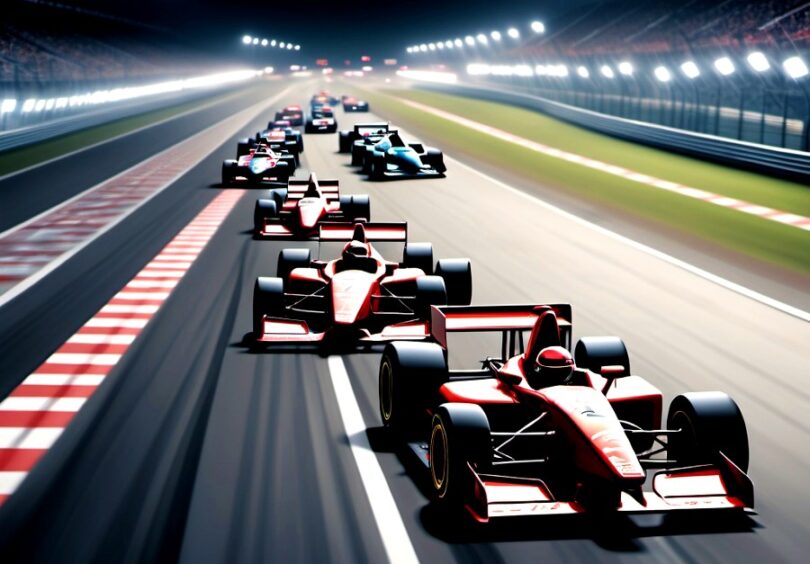

When it comes to motorsports, safety is non-negotiable. Every aspect of the track and the vehicles must meet the highest standards to ensure the well-being of drivers, crew members, and spectators. One of the essential components often overlooked by fans is the starting lights system. While the roar of engines and the thrill of speed capture the public’s attention, the starting lights play a critical role in race safety, guiding drivers as they prepare to launch off the grid.
The Importance of Starting Lights in Motorsport
Starting lights are far more than just a signal to “go.” These lights represent a finely tuned system designed to ensure that all drivers begin on equal footing and that no one gains an unfair advantage. More importantly, they communicate vital information in those crucial seconds before the race begins. When the lights turn off, signaling the race’s official start, everything must be timed perfectly. A slight delay or malfunction could not only ruin a race but also jeopardize the safety of the drivers.
Modern starting light systems are increasingly sophisticated. Instead of relying solely on manual operations, many circuits now integrate technology that ensures consistent timing and flawless performance. Such precision is critical in a high-stakes environment where even milliseconds count. After all, a smooth start doesn’t just determine race outcomes—it sets the tone for the entire event.
A Look Into Electronic Flags: Enhancing Race Communication
As races progress, conditions on the track can change rapidly. From weather shifts to accidents, keeping drivers aware of their surroundings is a constant challenge. Enter Electronic flags, a technology that takes traditional flag signaling to the next level.
In the past, marshals stationed along the track would wave physical flags to communicate vital information—whether it was a yellow flag to indicate caution or a red flag signaling the suspension of the race. However, electronic flags have revolutionized the way drivers and race officials communicate. Now, with the help of high-visibility digital displays placed around the circuit, drivers receive real-time updates instantly.
These electronic flags are integrated into the race management system, ensuring that no signal is missed. This becomes particularly important during safety-critical moments, where rapid communication can prevent accidents or help clear an incident quickly. They operate as an essential backup to traditional flag waving, but their consistent and highly visible nature often makes them the go-to choice for modern race organizers.

4flags Safety Lights: A New Standard in Track Safety
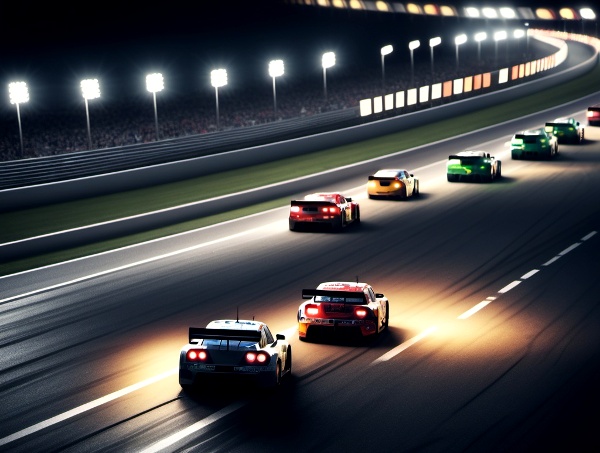
While starting lights and electronic flags provide foundational safety, 4flags safety lights take things a step further. These systems are designed specifically to improve trackside visibility and enhance safety for both drivers and marshals. Whether it’s a sudden crash, a vehicle stalled on the track, or an oil spill that threatens the grip of tires, quick and clear communication is crucial to avoid further complications.
4flags safety lights are deployed throughout the racetrack and can display a variety of signals to inform drivers of track conditions. Whether it’s a full-course caution, a local yellow flag, or even a green light signaling that the track is clear, these lights help maintain the flow of the race while ensuring maximum safety.
The key advantage of 4flags safety lights is their ability to be synchronized across the track, providing consistent information to all drivers, no matter where they are. This is especially critical in longer endurance races or circuits with difficult-to-see corners and blind spots. Synchronization ensures that all drivers are seeing the same messages at the same time, drastically reducing the chance of confusion or missed signals.
How Technology is Shaping Race Safety
The evolution of race track safety isn’t just limited to starting lights or the introduction of digital flags. It’s about the complete integration of technology into motorsports to enhance communication, prevent accidents, and ensure fair play. Each technological advancement brings motorsports one step closer to an environment where risk is reduced, and security is maximized.
Take, for example, the shift toward fully automated systems that manage track safety. A few decades ago, races were much more dependent on human operators to manage track conditions, often leading to inconsistencies. Today, sophisticated electronic systems monitor every aspect of the race—from the position of every car to the conditions of the track surface. If a piece of debris is detected on the track, or if a driver stalls, safety lights and flags are activated immediately, often before the drivers themselves realize what’s happening.
This level of automation doesn’t just make races safer; it also makes them more exciting. Drivers can focus entirely on their performance, knowing that the systems in place will alert them to any potential dangers.
The Future of Race Car Lighting Systems
As technology continues to advance, we can expect even more innovation in the world of motorsports safety. Starting lights will become more precise, safety systems more automated, and communication between drivers and race officials even faster. In the coming years, we may see the introduction of intelligent lighting systems that adapt in real-time to track conditions or AI-powered systems that predict potential incidents before they occur.
There’s even talk of integrating virtual reality (VR) or augmented reality (AR) systems that could provide drivers with even more detailed information on track conditions without taking their focus away from the road ahead. Imagine a scenario where, instead of looking at physical safety lights, drivers could receive in-helmet visual alerts that adapt to their exact position on the track.
No matter what the future holds, one thing is certain: the purpose of these advancements will always remain security. Every improvement, from the starting lights system to electronic flags and 4flags safety lights, aims to make racing safer without losing the thrill that motorsports fans love. Racing will always involve an element of risk, but with the right technology, that risk can be managed—allowing drivers and fans alike to enjoy the sport to its fullest.
In the end, it’s not just about getting cars across the finish line; it’s about ensuring that everyone involved in the race does so safely.
*This is a SPONSORED post.