
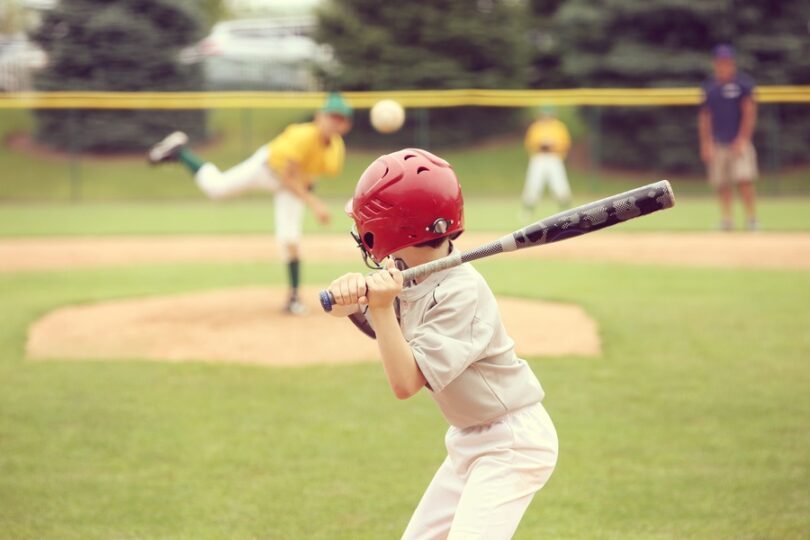

Doubleheaders ask athletes to manage energy with more intention than a normal game day. The goal is not to hype them up once and hope they push through; it is to prep players for doubleheader days with a rhythm that supports strong play from first pitch to final out.
Start the Day With Steady Fuel
A doubleheader morning should begin with food that sits well and releases energy gradually. For many athletes, that means a familiar breakfast; don’t try something new right before competition. Paying attention to meal timing matters just as much, because a rushed meal before warmups leads to sluggish starts. By the first pitch, players should already be settled.
Build Recovery Into the Gap
The break between games is not empty time, even when the schedule looks loose. Players need a reset that slows the pace without letting their bodies shut down completely. A dry shirt and a calm snack give the next warmup a better starting point. Then focus should return slowly so game two does not feel like a cold restart.
Keep Hydration Simple and Consistent
Hydration works best when it starts early and continues in small amounts. Waiting until a player looks tired usually means they’ve already fallen behind on hydration, making it harder to recover energy and focus. Water should stay within reach, while sports drinks fit better when heat or sweat loss is a bigger factor. The smartest approach is boring in the best way: steady sips before thirst takes over.
Protect Feet Before Problems Start
Feet take a beating during two games, and small friction points turn annoying fast. Sock choice doesn’t seem important until a player complains about soreness. Custom athletic socks prevent blisters and hot spots during long stretches of play when players are constantly moving. Cleats should be broken in before game day, not tested during the first inning. If a player mentions rubbing, address it right away rather than waiting until the skin is irritated.
Manage the Mental Side of Game Two
Game two tests patience as much as skill. Players might press after mistakes or coast after an easy first win, so the message between games should stay grounded. A coach should focus on one clean adjustment instead of giving a speech that overloads tired athletes. That smaller focus gives players a better chance to compete with purpose.
Doubleheaders reward athletes who know how to reset. Parents and coaches who prep players for doubleheader days give the team a steadier foundation when fatigue starts showing up. Good routines do not need to be complicated; they need to be repeatable. When the day is planned with care, players have more room to compete.