
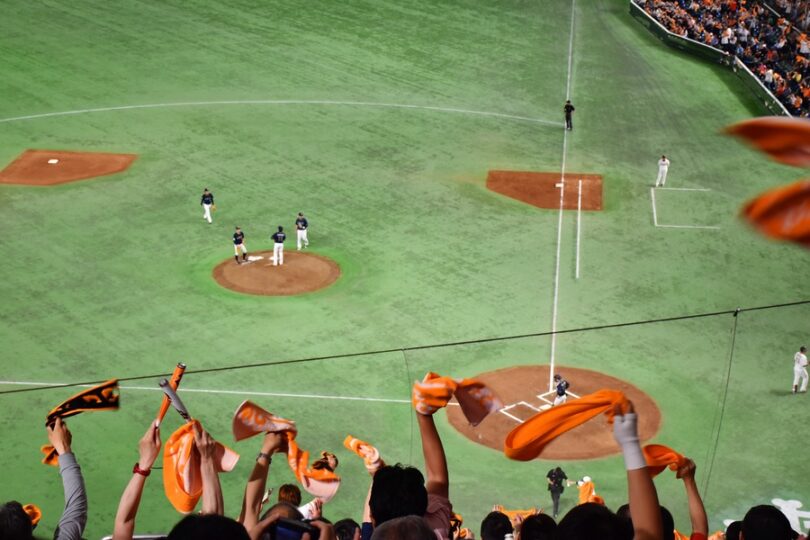

Baseball began in the United States, but the sport eventually spread across continents and cultures. Fans now follow the game in Japan, South Korea, the Caribbean, and many other regions. Each country adds traditions and playing styles that influence how the game appears on and off the field.
Anyone who watches baseball internationally quickly notices how the sport adapts to different environments. These contrasts highlight the differences between American and international baseball across leagues worldwide. They also show how communities shape the sport to reflect their own identity.
The Foundations of American Baseball
American baseball emphasizes structure and organization, especially at the youth and amateur levels. Schools, community leagues, and travel programs create clear development pathways for young athletes. These systems guide players from beginner competition toward advanced levels of play.
Programs such as Little League, high school teams, and college baseball introduce fundamentals early. Coaches focus on pitching mechanics, defensive positioning, and disciplined hitting approaches. Organized schedules and tournaments provide frequent competitive opportunities.
Regulation also plays a major role in American youth baseball. Governing organizations establish safety and performance standards for equipment like bats. These rules help maintain fairness and protect players at every level of competition.
Japanese Baseball: Precision and Discipline
Japan treats baseball as one of its most respected national sports. Nippon Professional Baseball attracts large crowds and widespread media coverage throughout the season. Many fans support the same teams for generations.
Japanese teams prioritize precision, teamwork, and strategic execution. Pitchers rely on control, movement, and careful pitch placement rather than pure velocity. Hitters often emphasize contact and situational awareness at the plate.
Training culture also distinguishes Japanese baseball. Teams hold long practices to repeat drills until players master each technique. Coaches reinforce discipline, patience, and consistency during development.
Korean Baseball: Energy and Entertainment
South Korea’s KBO League features one of the most energetic baseball environments in the world. Fans pack stadiums with drums, chants, and coordinated cheering squads. The atmosphere remains lively from the first pitch to the final out.
The style of play reflects that same energy. Teams frequently produce high-scoring games with dramatic home runs and aggressive hitting. Players celebrate big moments with famous bat flips that excite crowds.
This entertainment-focused atmosphere attracts younger audiences. Many analysts credit Korean baseball for encouraging more expressive celebrations in the sport. The league successfully blends competitive play with fan-driven entertainment.
Caribbean Baseball: Passion and Creativity
The Caribbean produces some of sport’s most dynamic talent and underscores further differences between American and international baseball. Countries such as the Dominican Republic, Puerto Rico, Cuba, and Venezuela maintain strong baseball traditions. Many children grow up playing the sport in their communities.
Local leagues and neighborhood games introduce young players to baseball early. Informal competition allows athletes to develop creativity and instincts. These environments encourage powerful swings and confident play.
Winter leagues across the Caribbean provide additional high-level competition. Professional players often return home to compete in front of passionate crowds. These leagues deliver some of the most exciting baseball atmospheres in the sport.
Baseball Across Latin America
Baseball continues expanding throughout Latin America beyond the Caribbean islands. Mexico operates professional leagues that attract domestic talent and international players. These leagues maintain strong regional followings.
Countries such as Colombia and Panama continue to develop their baseball programs. Youth academies and national development systems now appear throughout both nations. International tournaments increasingly feature teams from these regions.
Latin American baseball blends technical skill with expressive playing styles. Many players combine disciplined training with the creativity common in Caribbean leagues. This combination produces exciting and competitive teams.