
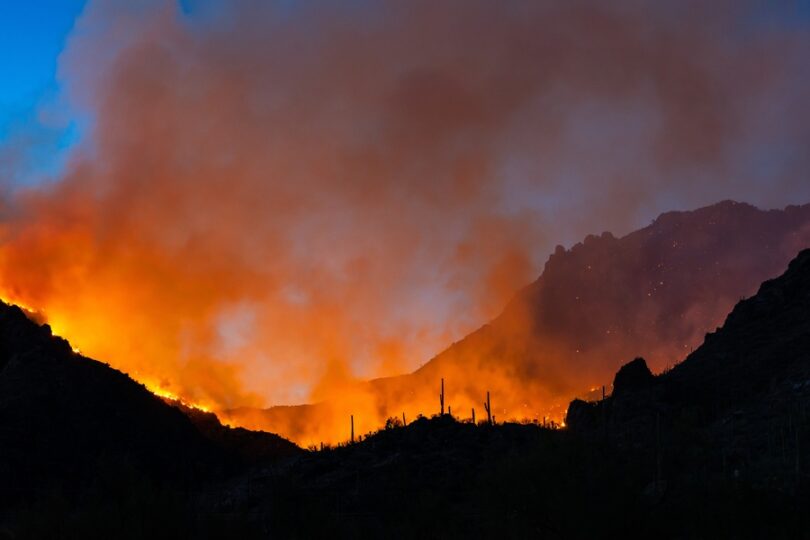

Wildfires are becoming more frequent and more destructive across many rural regions. Longer dry seasons, rising temperatures, and changing weather patterns have increased the need for proactive planning. Understanding how rural communities can better prepare for wildfire season is essential for protecting homes, infrastructure, farmland, and lives. Preparation begins long before smoke appears on the horizon. Communities that invest time in emergency planning and property maintenance are often better positioned to reduce wildfire damage and recover more quickly after an event.
Creating Defensible Space Around Homes
One of the most effective strategies is creating defensible space around homes and buildings. This includes clearing dry vegetation, trimming tree branches, and removing debris that could fuel fast-moving fires. Property owners should also consider using fire-resistant building materials and maintaining clear access roads for emergency vehicles.
Routine maintenance is especially important during dry months when vegetation can quickly become a fire hazard. Even simple landscaping decisions can reduce the likelihood of flames reaching structures.
Strengthening Community Education and Awareness
Community education also plays a major role in wildfire preparedness. Residents should understand local evacuation routes, emergency shelter locations, and warning systems. Hosting seasonal preparedness meetings or partnering with local fire departments can help ensure everyone knows what to do during an emergency.
Schools, businesses, and community organizations can also participate in wildfire awareness campaigns. The more informed residents are, the more effectively communities can respond during fast-moving emergencies.
Improving Emergency Communication Systems
Communication infrastructure is another critical factor. Rural communities often face challenges with limited cell service or internet access during disasters. Backup communication systems such as radio networks, emergency sirens, or local alert programs can make a significant difference when evacuation orders need to be shared quickly.
Local officials should regularly test emergency notification systems to ensure they function properly under wildfire conditions.
Emergency Kits and Wildfire Readiness
In addition to community-wide planning, individual households should maintain emergency kits with food, water, medications, important documents, and protective gear. First responders and volunteer fire crews also depend on reliable equipment to work safely during wildfire conditions.
Wildfire preparedness gear for firefighters includes protective clothing, respiratory equipment, communication tools, and other supplies designed for emergency response operations. Preparing emergency supplies ahead of time can help families evacuate more efficiently and reduce panic during emergencies.
Building Stronger Local Support Networks
Another important step in how rural communities can better prepare for wildfire season is encouraging neighbor-to-neighbor support networks. Elderly residents, people with disabilities, and families without transportation may require additional assistance during evacuations. Organized community response groups can help ensure no one is left behind during emergencies.
Preparedness is not only about reducing physical damage. Wildfires can disrupt local economies, agriculture, schools, and healthcare access for extended periods. By prioritizing prevention and readiness efforts, rural communities can improve resilience and reduce long-term recovery challenges.
Stay Prepared
Wildfire risks may continue to grow, but communities that plan ahead, educate residents, and strengthen emergency systems can significantly improve their ability to respond effectively when fire season arrives.