


There’s a quiet shift happening in the world of gut health, and it’s not coming from another trendy supplement packed with the usual suspects. This one is aiming deeper, going after the actual structure of the microbiome itself.

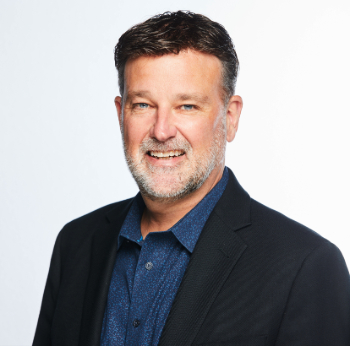
LA’s The Place: Most probiotics don’t seem to deliver noticeable results. From a clinical standpoint, why do they fall short?
Dr. David Brady: Traditional commercial probiotics often fall short because they are introduced as isolated strains that lack a supporting ecological network. They typically contain aerobic or facultative species (like Lactobacillus and Bifidobacterium) because they are easy to culture and shelf-stable, but these represent only a tiny fraction of the gut’s true diversity and have limited ecological impact in the deep, anaerobic distal gut. Without their natural metabolic partners, these traditional probiotics act more like “tourists” or transient visitors that temporarily pass through without permanently engrafting. Commercial probiotics also often lack rigorous quality control, resulting in products where listed strains are either absent, reduced to ineffective numbers, or contaminated.
LATP: You describe this formula as addressing the “Missing Biome™.” What specific bacteria are most commonly lost today, and what causes that loss?
Dr. David Brady: Modern lifestyle factors have significantly altered the human microbiome, leading to the loss of key foundational species. Contributors include widespread antibiotic use, Cesarean delivery, formula feeding, reduced intake of fermented foods, and environmental exposures. The bacteria most commonly lost are strict anaerobic “keystone” species that play a central role in maintaining ecosystem stability and producing short-chain fatty acids. These include organisms such as Faecalibacterium duncania (prausnitzii), Roseburia intestinalis, and Akkermansia muciniphila. Their absence can weaken the resilience and functional capacity of the microbiome.
LATP: Why does a single-donor approach matter in rebuilding the microbiome compared to multi-strain blends?
Dr. David Brady: A single-donor approach reflects how microbial communities naturally exist in the human body. Strains derived from the same healthy donor have co-evolved and are already adapted to function together, sharing resources and supporting one another metabolically. In contrast, assembling strains from unrelated sources can introduce competition and unpredictability. Even when the same species are used, differences in origin can affect how well they integrate. A co-adapted community is more likely to establish, remain stable, and function as a cohesive system right out of the gate.
LATP: Keystone strains like Faecalibacterium prausnitzii and Roseburia intestinalis are rarely included in supplements. What has made them so difficult to formulate until now?
Dr. David Brady: Keystone strains are strict (obligate) anaerobes, meaning they are extremely sensitive to oxygen and will rapidly lose viability when exposed to ambient air. For decades, standard laboratory methods could not support their growth, which led to them being classified as “unculturable.” It wasn’t until the development of advanced continuous culture bioreactors, which are designed to closely replicate the oxygen-free, pH-controlled, continuous-flow environment of the human distal colon, that these organisms could be grown at scale. Even then, successfully formulating them into a commercial product requires specialized packaging that protects against oxygen, moisture, and light to maintain viability. These combined challenges are the primary reason they have historically been absent from traditional probiotic formulations.
LATP: You emphasize butyrate production. What happens in the body when butyrate levels are low, and why should consumers care?
Dr. David Brady: Butyrate is the primary energy source for the epithelial cells lining the colon and plays a central role in maintaining gut barrier integrity. When butyrate levels are low, the structural integrity of the gut lining can become compromised, leading to reduced barrier function and decreased mucin production. Clinically, this is significant because butyrate also exerts strong anti-inflammatory effects and helps regulate immune function. Low levels are consistently associated with chronic inflammatory states, metabolic dysfunction, and impaired mucosal immunity, making its production a key marker of overall gut health.
LATP: When you say this product restores “microbiome architecture,” what is actually changing inside the gut?
Dr. David Brady: Restoring microbiome architecture refers to rebuilding the functional relationships between microbes, not just increasing their presence. In a healthy ecosystem, bacteria operate through interconnected metabolic pathways, often referred to as cross-feeding networks. For example, Akkermansia muciniphila degrades mucin and complex carbohydrates, releasing simpler compounds like acetate. Keystone butyrate producers such as Faecalibacterium prausnitzii and Roseburia intestinalis then utilize these substrates to generate butyrate. This type of metabolic interdependence creates a self-sustaining, low-pH, anaerobic environment that stabilizes the ecosystem and supports long-term microbial balance. Re-establishing these strain-level interactions helps reinforce a more resilient microbiome that can naturally outcompete opportunistic organisms and maintain functional stability.
LATP: Beyond digestion, what are the most overlooked symptoms that may be tied to microbiome disruption?
Dr. David Brady: The gut microbiome affects a lot more than just digestion, it plays a role in how your whole body functions. When it’s out of balance, the symptoms can show up in ways people don’t always connect back to the gut. Some of the most overlooked signs include things like low mood, anxiety, brain fog, and trouble sleeping. It can also show up as ongoing fatigue, joint discomfort, or feeling inflamed in general. In some cases, it may even contribute to issues with blood sugar balance, metabolism, or immune function.
LATP: Because the gut is so closely connected to the brain and the rest of the body, these symptoms are often part of a bigger picture rather than isolated issues.Who is the ideal candidate for this product, and who might not need it?
Dr. David Brady: This type of probiotic is a great fit for people who are looking to rebuild a strong, healthy gut foundation, especially if they’re recovering from illness, have recently taken antibiotics, or have testing that shows low microbial diversity. It can also be really helpful for those dealing with ongoing gut issues, inflammation, metabolic concerns, or even gut-brain imbalances. On the flip side, people who are severely immunocompromised, as well as those who are pregnant or breastfeeding, should avoid using it unless guided by a healthcare provider.
LATP: What is a realistic timeline for someone to notice changes when using this type of probiotic?
Dr. David Brady: Most people start to notice some early shifts, like changes in digestion or symptoms, within about 2 to 3 weeks. From there, things tend to build more gradually. Real, deeper changes in the gut microbiome usually take closer to 6 to 8 weeks, and for some people, up to about 12 weeks as the ecosystem fully settles in and rebalances.
LATP: Do you see this ecosystem-based approach replacing traditional probiotics in clinical practice?
Dr. David Brady: This is a big shift in how we think about gut health. Traditional probiotics are a bit like planting a neat lawn, they can help keep things tidy and may push out some unwanted microbes, but they’re fairly simple and limited in what they can do.
Microbial Ecosystem Therapeutics (MET), on the other hand, are more like restoring an entire rainforest. Instead of adding just a few strains, they introduce a whole, balanced community of microbes that are designed to work together. This allows them to settle in more effectively and carry out the kind of complex, interconnected functions your gut actually needs.
That doesn’t mean traditional probiotics become useless, they can still be helpful for specific symptoms or as an add-on. But this ecosystem-based approach is likely where things are headed when it comes to truly rebuilding and supporting long-term gut health.
Go here to learn more about Designs for Health