
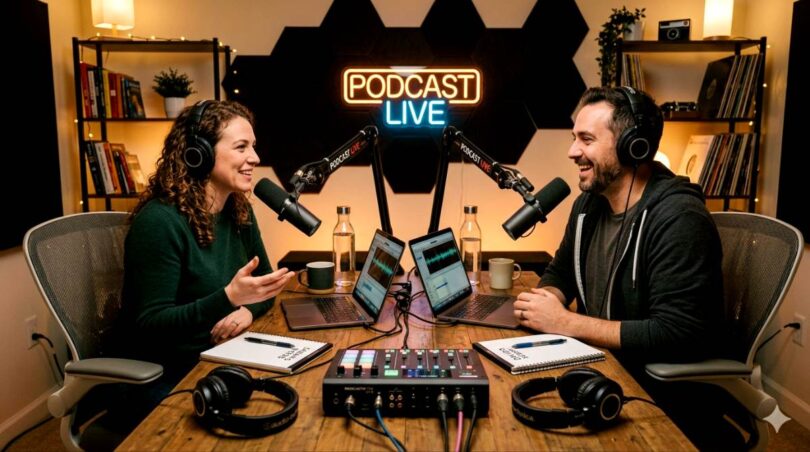

Podcasting has exploded in popularity over the past decade. From hobbyists sharing their passions to professionals building brands and monetizing content, podcasts are no longer just a pastime; they are a legitimate business for many. With the growth of podcasting as a commercial venture comes the responsibility of protecting that business. Insurance, often overlooked by podcasters, plays a crucial role in keeping a podcast running smoothly and safeguarding creators from unexpected risks.
Podcasting as a Business
At its core, a podcast can start as a hobby. But once a podcaster begins generating income through sponsorships, merchandise, live shows, or advertising, it becomes a business. Like any other business, podcasting involves financial investment and risk. Equipment, studio rental, editing software, marketing, and travel all represent costs that can impact a podcaster’s bottom line. Moreover, as podcasts grow in reach, they attract attention from sponsors, listeners, and collaborators, increasing the stakes and potential liabilities.
Treating a podcast as a business means understanding that it requires not just creativity but also professional management. Contracts with sponsors, licensing agreements for music, and collaborations with guests all carry legal and financial responsibilities. Ignoring these aspects could result in disputes, lawsuits, or financial loss, risks that insurance can help mitigate.
Common Risks for Podcasters
Podcasters face several types of risks that can threaten their income or reputation:
- Equipment Damage or Theft: High-quality microphones, recording equipment, and computers are essential. A damaged or stolen piece of equipment can halt production and result in lost revenue.
- Liability Issues: Podcasts often discuss opinions, current events, or sensitive topics. Inaccurate statements, defamation, or copyright infringement claims could lead to costly legal action.
- Property Damage: For podcasters who rent studio space or work from a home studio, accidents such as fires, water damage, or theft can disrupt operations and result in financial losses.
- Business Interruption: Unexpected events such as illness, natural disasters, or technical failures can force a podcast to pause. Insurance policies can help cover lost income during such interruptions.
The Role of Insurance in Podcasting
Business insurance for podcasters is designed to cover these risks and provide peace of mind. General liability insurance protects against third-party claims like defamation or property damage. Equipment insurance can cover repair or replacement costs for essential tools. Even professional liability insurance, often called errors and omissions coverage, can safeguard podcasters if they are sued over content-related issues.
Investing in insurance is a proactive way to protect the work that goes into building a podcast. By exploring coverage options and keeping your business safe, podcasters can reduce the stress of potential disruptions and focus on creating high-quality content. Sponsors and collaborators may also feel more confident working with someone who has proper coverage, knowing that risks are responsibly managed.
Keeping Your Podcast Business Safe
Even small-scale podcasts can benefit from insurance. It is a practical step toward professionalizing the hobby and preparing for unexpected events. Podcasters who view themselves as entrepreneurs understand that their time, effort, and creativity have tangible value. Protecting that value through proper insurance is simply smart business.
Podcasting is more than a hobby when it generates income or engages a sizable audience. Treating it as a business means managing risks, planning for uncertainties, and securing the proper insurance to protect the work that goes into building a successful show. For any podcaster looking to grow professionally, insurance is no longer optional; it is part of running a responsible, sustainable business.