
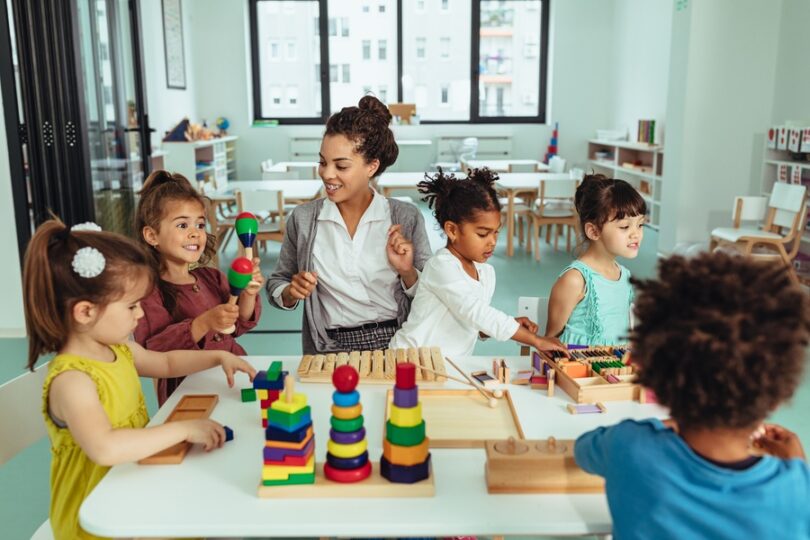

Social skills are the building blocks of a happy and fulfilling childhood. For daycare-aged children, these skills help them make friends and form the foundation for essential life abilities like communication, teamwork, and empathy.
You have a unique opportunity to nurture these connections at daycare, where play and learning beautifully collide. Here are some engaging strategies to improve children’s social skills at daycare and help them grow into social butterflies.
Facilitate Group Activities and Games
Children thrive when they interact with others in structured, fun environments. Activities like group puzzles, duck-duck-goose, or team scavenger hunts encourage kids to communicate and problem-solve together. These shared successes—and even the occasional misstep—help children learn how to express themselves while respecting others’ ideas.
For example, a simple relay race promotes taking turns while cheering for teammates, reinforcing positivity. Additionally, indoor playgrounds benefit child development by creating an environment that promotes social interaction. Group activities also provide a valuable opportunity for quieter children to practice speaking up without pressure.
Encourage Role-Playing and Storytelling
When you give children costumes and a stage, they make magic happen! Role-playing and storytelling spark imaginations and allow children to step into someone else’s shoes.
Set up a “pretend play” station with props like a cash register, toy food, and doctor’s kits. Kids learn to adopt different roles, cooperate, and express emotions, whether playing house, pretending to run a café, or acting out their favorite storybook.
Teach and Model Empathy
Empathy is a crucial life skill, and children absorb it when they see it in action. Use real-time opportunities to teach empathy, such as asking children to consider how their peers might feel if someone took their toy. Narrate these moments with warmth and understanding to guide them gently toward being kind.
You, as the teacher, also play a massive role. Model empathy in your interactions by listening intently to the children’s concerns, validating their feelings, and demonstrating kindness. Over time, the children will naturally mirror this behavior with their peers.
Provide Positive Reinforcement
The smallest nudge in the right direction makes a world of difference for a child. Positive reinforcement is a powerful tool when it comes to developing social skills.
Praise children when you notice them sharing toys, helping a friend, or listening attentively during storytime. Rewarding these actions with high-fives, stickers, or a warm smile helps children understand what behaviors are valuable and encourages them to repeat them in the future.
Cultivating children’s social skills in daycare gives them the tools to connect, collaborate, and care. Activities like group play, role-playing, and teamwork projects become joyful moments of social growth, while positive reinforcement ensures these behaviors stick. Remember, your role as a caregiver shapes how these little humans interact with their world—and there’s nothing more rewarding than watching them bloom socially.