
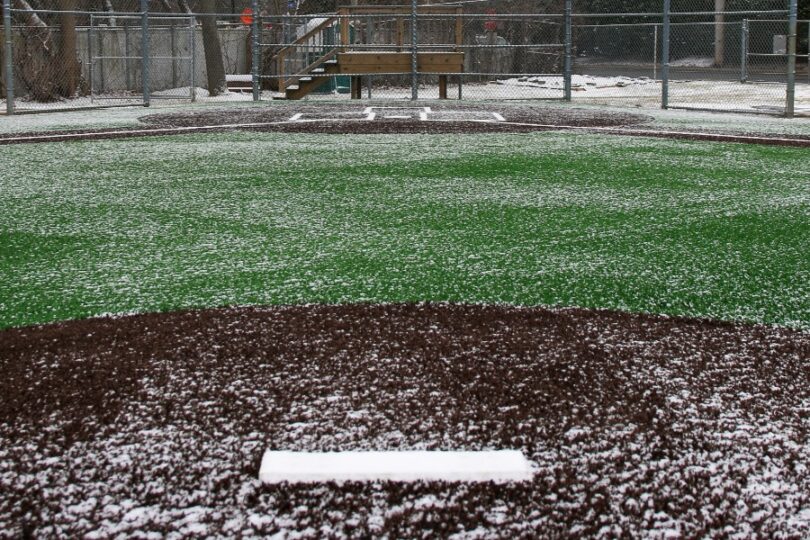

Picture this: You’re stepping up to the plate on a crisp Southern California evening. Your teammates are cheering, and you’re ready to send the ball flying. Then you make contact, and something feels different. Your hands sting, the bat feels unusually stiff, and that satisfying crack doesn’t sound quite right.
Even in sunny Los Angeles, cold weather can change the batting experience for baseball and softball players. Whether you’re enjoying a weekend recreational league or practicing for a tournament, the weather influences more than your comfort.
Why Temperature Matters More Than You Think
Baseball and softball depend on precise interactions between the bat, ball, and player. Temperature influences each part of that equation.
When the air gets colder, certain bat materials respond differently to impact. Balls may become firmer, while muscles need additional time to warm up. Even your grip can change when your fingers feel chilly.
Cold Temperatures Can Change How Your Bat Performs
Cold weather changes your batting experience because not every bat responds to chilly conditions the same way. Its materials and construction determine how it handles temperature changes.
Composite Bats May Become More Vulnerable
Composite bats use layered materials that flex during contact. Cold conditions can make those materials less forgiving under impact, increasing the risk of damage.
Some manufacturers advise against using composite bats below approximately 60 degrees Fahrenheit, although limits vary by model. Always consult your bat’s care instructions rather than relying on one universal cutoff.
Aluminum Bats Have Their Own Limitations
Aluminum bats use metal barrels rather than composite layers. Although certain models tolerate cooler conditions better, they aren’t immune to damage.
A hard, cold ball can create substantial impact forces, potentially denting thin-walled barrels. The bat’s construction and condition influence its durability.
Wooden Bats Respond Differently
Wooden bats don’t depend on the same barrel-flexing mechanism as composite designs. However, poor contact near the handle or barrel end can cause cracks.
Cold hands may also make precise control more difficult. Regardless of the material, consistent technique becomes especially valuable in chilly weather.
What Happens to the Ball When Temperatures Drop?
Your bat isn’t the only equipment that cold weather affects.
Many baseballs and softballs become firmer as temperatures decrease. Their construction determines how dramatically they respond, but the change can influence impact forces and durability.
A firmer ball may transfer greater force to the barrel, particularly affecting equipment with thinner walls.
Temperature also influences ball flight. Cooler air is generally denser, creating greater aerodynamic resistance that can reduce distance under otherwise similar conditions.
Why Your Hands Feel the Difference
Anyone who has made an awkward hit on a cold evening knows the sensation: an uncomfortable vibration shoots through the hands.
As your hands cool, dexterity and tactile sensitivity may decrease. Maintaining a relaxed grip becomes more difficult, especially when you’re waiting between plate appearances.
Cold muscles can also feel less responsive, affecting the fluid movement needed for a comfortable swing.
A Proper Warm-Up Makes a Difference
Before stepping into the batter’s box, spend a few minutes increasing your body temperature.
Start with brisk walking or light jogging. Add gentle torso rotations and arm movements that prepare your shoulders for swinging.
Take several controlled practice swings, gradually increasing your speed.
Avoid jumping immediately into maximum-effort swings after sitting on a cold bench. Giving your body time to prepare supports better movement.
Keep Your Hands Comfortable Between Innings
Warm hands help you maintain better bat control.
Consider wearing gloves while waiting for your turn. Keep a dry towel available if moisture makes the handle slippery.
Batting gloves may improve grip, but they won’t completely prevent cold-related discomfort. If your fingers become numb, restore warmth before returning to the plate.
How Cold Weather Affects Modified Bats
Players participating in home run derby events or special recreational activities may encounter bats with modified barrels.
Some bat modifications remove material from their interior walls to alter barrel performance. This process can reduce structural strength and increase vulnerability to breakage.
Cold conditions introduce another concern because firmer balls can place greater stress on altered barrels.
A technical discussion of cold weather and shaved bats explains how lower temperatures can increase the risk of premature barrel damage.
Importantly, shaved bats generally violate organized baseball and softball equipment rules. They may also create safety hazards because their structural integrity differs from approved designs.
Smart Ways to Protect Your Bat During Cooler Games
A few practical habits can help protect your equipment when temperatures fall.
Store Your Equipment Properly
Avoid leaving your bat inside a cold vehicle overnight. Store equipment in a dry, temperature-controlled space whenever possible.
Also avoid extreme heat. A car trunk baking in the Southern California sun isn’t an ideal storage location either.
Warming a cold bat indoors doesn’t eliminate the risks that come with hitting a cold, firm ball.
Choose Appropriate Practice Balls
Some batting cage balls have harder surfaces or different construction than regulation game balls. These differences can increase equipment wear.
Follow manufacturer recommendations and use balls appropriate for your bat.
During colder sessions, suitable training balls can help you practice swing mechanics without subjecting your performance bat to hard impacts.
Inspect Your Bat Before Playing
Examine the barrel and handle before each session. Look for cracks, dents, loose components, or unusual damage around the end cap.
Pay attention to changes in sound or feel during contact. Stop using equipment that shows signs of structural damage.
Adjusting Your Swing for Chilly Conditions
Cold weather doesn’t require reinventing your batting technique. Small adjustments can help maintain consistency. Start by emphasizing solid contact instead of maximum power.
When your hands feel stiff, swinging harder may interfere with timing and balance. A controlled swing that meets the ball cleanly can outperform an aggressive swing with poor contact.
Don’t Forget Hydration
Cool weather can make thirst less noticeable, but your body still loses fluids during physical activity.
Drink water throughout your game, even when temperatures feel comfortable. During lengthy tournaments, keep water readily available rather than waiting until you feel thirsty.
Making the Most of LA’s Cooler Baseball Evenings
Los Angeles offers opportunities to enjoy baseball and softball throughout the year. Its generally mild climate gives players an extended playing season.
Still, coastal breezes and chilly winter evenings can create conditions that feel surprisingly different from a warm afternoon.
Check the forecast before heading to the field, especially when your game starts near sunset. Bring an extra layer for time spent on the bench.
Keep Your Swing Comfortable All Season
Cold weather can change how your bat responds, how the ball behaves, and how your body feels during a game.
Protecting your equipment starts with following manufacturer recommendations. Preparing your body requires proper warm-ups, while maintaining control becomes especially important when conditions feel unfamiliar.
With thoughtful preparation, batting in chilly conditions doesn’t have to take the fun out of your favorite sport.
The next time a cool Los Angeles breeze rolls across the field, you can step into the batter’s box with confidence.