

Every parent knows the feeling. Summer starts with big plans for outdoor adventures, creativity, and less screen time… and somehow, by week two, the tablets start creeping back in.
Anna Barker, Chief Creative Officer, Co-Founder of Glo Pals understands that so many moms are searching for activities that actually hold a child’s attention while still feeling enriching, calming, and interactive. One category quietly taking over family homes this year is sensory play, toys and experiences designed to engage kids through touch, movement, light, sound, and imagination. (See our Q and A with Anna below to learn more.)
And it’s not just a passing trend. Sensory toys have seen enormous growth in recent years, fueled partly by a broader understanding of childhood development and increased awareness surrounding autism spectrum disorder, which now affects 1 in 36 children in the United States.
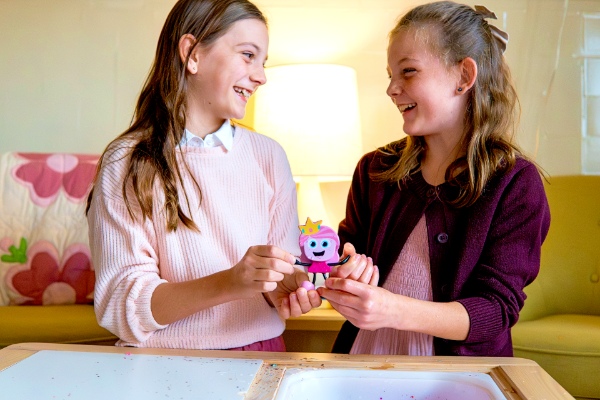
Princess Ida from Glo Pals
For many families, sensory play has become part of everyday life rather than something reserved for therapy rooms or classrooms. Parents are discovering that these types of toys can help encourage focus, creativity, emotional regulation, fine motor skills, and independent play — while also creating moments that feel genuinely magical for kids.
Screen-Free Play That Actually Feels Exciting
One of the biggest challenges parents face is finding alternatives to screens that don’t immediately get abandoned after five minutes. Sensory toys work differently because they invite kids to participate instead of simply watch.
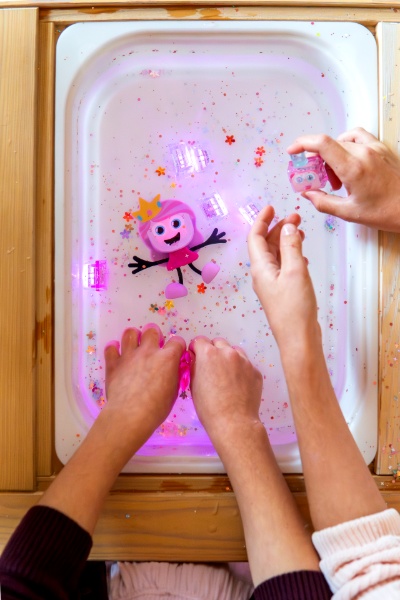
Water play, glowing lights, textures, movement, and storytelling naturally pull children in. It becomes less about passive entertainment and more about curiosity and discovery.
That’s one reason brands like this have developed such a loyal following among parents. Originally inspired by a child with autism, the brand built its reputation around making everyday moments, especially bath time, more engaging and inclusive through water-activated light-up cubes that transform ordinary play into a sensory experience.
Why Representation in Toys Matters
Another shift happening in the toy world is the growing demand for more inclusive and representative characters, especially for girls interested in STEM-adjacent and sensory-focused play.
For years, many sensory toys leaned heavily toward neutral designs or characters marketed primarily to boys. Parents have increasingly wanted products that let young girls see themselves reflected in imaginative and educational play spaces too.
That’s part of what makes the launch of Princess Ida stand out. The new character marks the first-ever pink character from Glo Pals, bringing a softer, story-driven layer into the brand’s sensory universe without losing the developmental and interactive benefits that made the products popular in the first place.
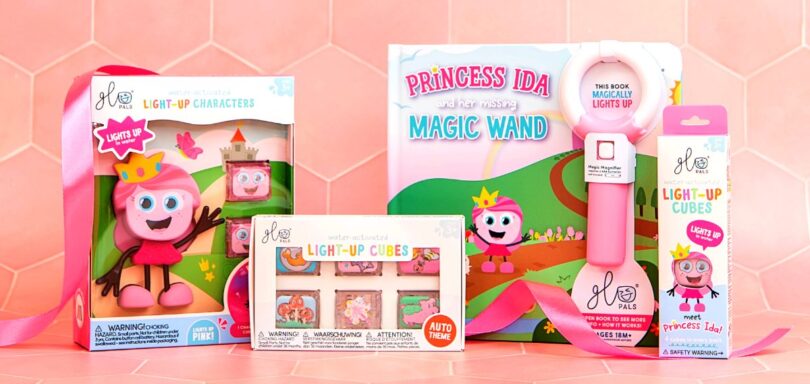
The collection includes the Princess Ida character, Light-Up Cubes available in both 4-packs and 6-packs, and Princess Ida and Her Magic Wand, a Light-Up Library™ book that comes with a limited-edition pink Magic Magnifier™.
What makes the launch feel especially meaningful is the story behind it. Princess Ida was named after a real child who has been part of the brand’s journey from the beginning, giving the collection a personal connection that many parents will appreciate.
More Than Just Bath Toys
Parents are increasingly drawn to toys that do more than simply entertain. They want products that spark imagination, encourage learning, and create calming or engaging sensory experiences all at once.
That’s why sensory play has expanded far beyond bath time. Kids are now using sensory toys during quiet time, creative play, bedtime routines, travel, and even social play with siblings and friends.
For many moms, the appeal is simple: these toys tend to create the kind of focused, immersive play parents remember from their own childhoods. The kind where kids lose themselves in imagination instead of endlessly scrolling or tapping.
As summer approaches and families look for ways to keep children entertained without relying entirely on devices, sensory play is becoming one of the easiest ways to blend fun, development, creativity, and inclusivity into everyday routines.
And honestly, anything that buys parents a little peace while making kids genuinely excited to play feels like a win.
We chatted with Anna Barker, Chief Creative Officer, Co-Founder for more.
LAsThePlace: Princess Ida is rooted in a real child’s story. What specifically about her influenced the design and personality of this character?
Anna Barker: Princess Ida was inspired by a real child whose joy, imagination and love of pink helped shape the heart of this character. We wanted Princess Ida to feel magical, but also clever, curious and relatable. She isn’t just a princess because of how she looks; she is a character who leads with kindness, friendship and wonder. In her Light-Up Library™ story, she goes on an adventure to find her missing magic wand, but the real message is that friendship and connection are the most magical tools of all. That felt very true to the spirit of Ida and what the Glo PalsⓇ represent.
LATP: Glo Pals started with a sensory need. As the brand has gro wn, how do you make sure you don’t lose that original purpose?
Anna Barker: We come back to the “why” constantly. What began as light-up drink cubes evolved into a toy designed to make bath time more engaging for children. The concept took on a deeper meaning. We heard from a mother that it helps a child with autism navigate sensory overload during bath time, transforming a difficult daily routine into a calming, joyful experience. As the brand grows, that original purpose still guides how we design and innovate. We continue to create innovative, intentionally designed products that empower kids to grow, play, and thrive through meaningful, magical moments.
LATP: There’s a noticeable gap when it comes to girl-focused representation in sensory and STEM-adjacent toys.
Anna Barker: We’ve seen that many sensory and STEM-adjacent toys focus heavily on function, but don’t always reflect how kids actually want to play. There’s been this idea that these categories need to look a certain way, when in reality, kids are drawn to things that feel expressive, imaginative, and personal.
What’s been missing is that blend, products that support sensory needs but also feel magical, character-driven, and fun. Representation is about making sure kids can see themselves in the experience, not just use it.
LATP: What made you decide now was the right time to introduce Princess Ida?
Anna Barker: We’ve built a strong foundation in sensory play with the original Glo PalⓇ characters, and now we’re seeing kids want more connection, characters, worlds, and stories they can step into.
Princess Ida allows us to expand in that direction while staying true to our purpose. She brings together sensory play and imagination in a way that reflects how kids are engaging with play today.
LATP: When you think about sensory play, what are parents still getting wrong or overlooking?
Anna Barker: Parents may feel like sensory play has to be structured or therapeutic to “count,” when really, it can be simple and child-led. A glowing cube in the bath, a new texture, a soft light, a familiar routine with one small moment of surprise. Those things matter. The goal isn’t to do sensory play perfectly. It’s to create space for curiosity, comfort and regulation in ways that feel natural for your child.
LATP: The water-activated cubes are simple but powerful. What did you learn from kids, especially neurodivergent kids, that shaped how these products function?
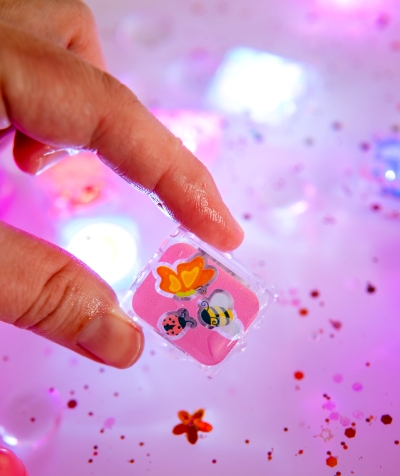
Anna Barker: Simplicity can be incredibly powerful when it gives a child control and predictability. The cubes activate when placed in water, so the cause-and-effect is clear and immediate. Kids understand, “I put this in, and it glows.” For many children, especially neurodivergent children, that kind of intuitive interaction can be both exciting and grounding. We also focus on gentle visual stimulation, something engaging enough to spark wonder, but not so overwhelming that it takes over the experience.
LATP: How do you balance making a toy visually appealing, like with the pink aesthetic, without falling into stereotypes or limiting how kids engage with it?
Anna Barker: For us, pink is not about limiting who Princess Ida is for. It’s about celebrating a child’s real personality and preferences. Kids should be allowed to love pink, green, princesses, dinosaurs, science, adventure, all of it. The goal is not to tell children how to play, but to give them characters and tools that invite imagination. Princess Ida may have a pink world, but her story is about friendship, discovery and confidence, which are themes any child can connect with.
LATP: The Light-Up Library component adds storytelling. How important is narrative when it comes to keeping kids engaged in sensory play?
Anna Barker: Narrative is huge because it gives the sensory experience meaning. The Light-Up Library™ turns reading into something interactive, where children use the Magic Magnifier™ to reveal hidden details and make each page glow. That transforms storytime into a full sensory adventure, but it also gives kids a reason to stay engaged. They’re not just looking at light, they’re helping a character, following a journey and discovering surprises along the way.
LATP: Have you seen differences in how children with sensory sensitivities interact with Glo Pals versus traditional bath toys?
Anna Barker: Traditional bath toys are fun, but Glo PalsⓇ often create a different kind of focus. For some children, the glow becomes a calming visual anchor. For others, especially sensory-seeking kids, it encourages them to stay in the bath longer and engage more fully with the routine. We’ve heard from parents that bath time can shift from stressful to something their child actually looks forward to, and that is incredibly meaningful for us.
LATP: With sensory toys becoming more mainstream, how do you separate meaningful innovation from brands just jumping on a trend?
Anna Barker: For us, meaningful innovation starts with real families and real needs. Sensory play should never be treated as just a buzzword. It has to be designed with intention… how does it feel, how does it support a routine, how does it invite participation without pressure? Glo PalsⓇ was born from a sensory need, so we hold ourselves accountable to that origin. If a product doesn’t create magic, connection or joy in a child’s everyday life, then it’s not enough for us.
LATP: Looking ahead, what does inclusive play actually need next that the industry still isn’t addressing?
Anna Barker: Inclusive play needs to move beyond saying “for everyone” and start showing children that they are truly considered in the design. That means more representation, more flexible ways to play, more products that support different sensory needs and more stories that reflect the many ways kids experience the world. The next step is designing play that doesn’t ask children to adapt to the toy, but allows the toy to meet the child where they are.