
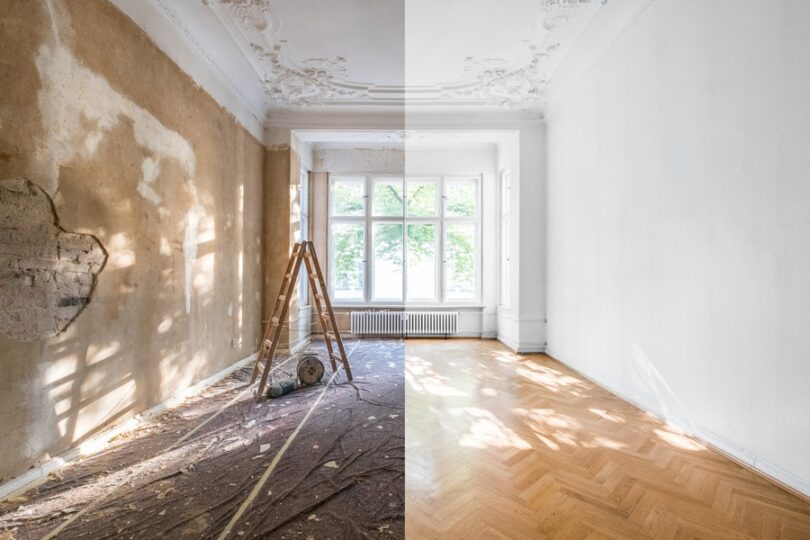

Building a new home is an opportunity to create a space that reflects your priorities, lifestyle, and long-term goals. One of the most important decisions in this process involves selecting the right materials. From structural components to finishing details, each choice impacts durability and overall cost. Understanding the key factors when choosing materials for a new home build can help ensure your investment stands the test of time.
Prioritizing Durability and Longevity
When evaluating materials, durability should be at the forefront. Structural elements such as framing and siding must withstand environmental stressors like weather, temperature fluctuations, and wear over time.
High-quality materials may come with a higher upfront cost, but they often reduce maintenance expenses and extend the lifespan of your home. Choosing well-tested materials with proven performance records can prevent costly repairs down the line.
Balancing Cost and Performance
Budget considerations inevitably play a role in material selection, but focusing solely on initial cost can lead to compromises. It’s important to assess long-term value rather than short-term savings.
Materials that offer better insulation or structural integrity often deliver greater returns over time. Homeowners should weigh both installation costs and lifetime performance to make informed decisions that align with their financial goals.
Energy Efficiency Matters
Energy efficiency has become a central concern in modern home building. The materials you choose directly affect heating and cooling performance, which in turn influences utility costs.
Insulation plays a critical role here, and understanding the facts is essential. Misconceptions about certain insulation types can lead to poor decisions, so know the facts before committing to a specific material. Selecting materials that support proper insulation and airtight construction can significantly improve overall efficiency.
Aesthetic and Functional Appeal
While performance is critical, aesthetics should not be overlooked. Materials contribute to the visual identity of your home, both inside and out. The right combination of textures, colors, and finishes can enhance curb appeal and create a cohesive design.
At the same time, functionality should guide these choices. For example, flooring materials should match the level of foot traffic, and exterior finishes should complement the climate in your region.
Making Informed Decisions
Considerations when choosing materials for a new home build come down to balancing multiple factors, including cost, durability, efficiency, and style. Working with experienced builders and conducting thorough research can help you navigate these decisions with confidence. By taking a comprehensive approach, you can ensure your home is not only visually appealing but also built to perform well for years to come.