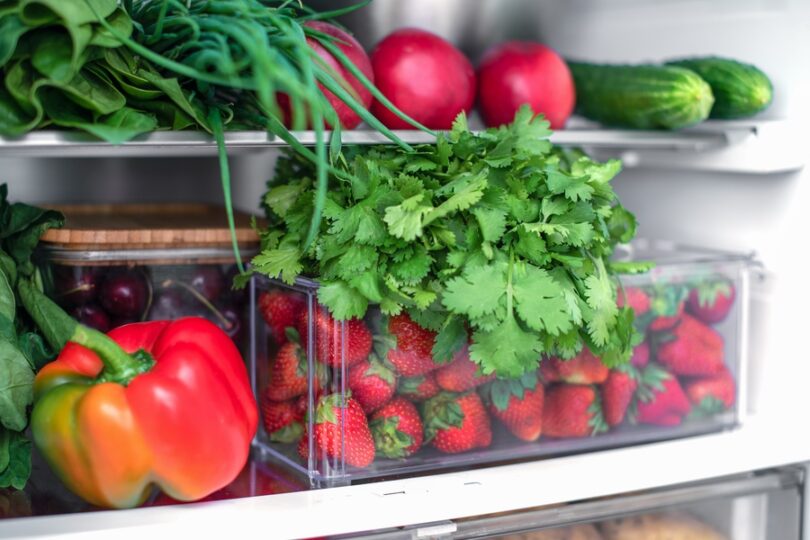

Fresh fruits and vegetables are some of the most nutritious ingredients in any kitchen, yet they’re also among the most commonly wasted. Many people assume produce simply goes bad quickly, but often the real issue is how it’s stored once it gets home. A few small habits—like how vegetables are stored in the fridge or on the counter—can make a noticeable difference.
Here are a few common storage habits that can shorten the life of otherwise perfectly good fruits and vegetables.
1. Storing Every Vegetable the Same Way
Not all produce thrives under the same conditions. Leafy greens generally prefer cool, slightly humid environments, while vegetables like onions and garlic hold up better in dry, well-ventilated spaces. When everything is stored the same way, often tossed together in a refrigerator drawer, some items naturally break down faster than others.
2. Letting Moisture Build Up
Too much moisture is one of the quickest ways to spoil fresh produce. When vegetables sit in damp containers or tightly sealed bags, condensation can build up and encourage mold. Simply drying vegetables before storing them and wiping away excess moisture in containers can help prevent that problem.
3. Keeping Produce Too Warm
Temperature plays a big role in how long fruits and vegetables stay usable. Many fresh ingredients benefit from refrigeration soon after purchase or harvest. Leaving produce on a warm kitchen counter for too long can speed up natural aging, causing texture and flavor to fade more quickly. Timing also matters with certain vegetables. Sweet corn, for example, begins to lose its sweetness not long after it’s picked, which is why cooling it sooner helps preserve both flavor and texture.
4. Ignoring the Need for Airflow
Some vegetables do better with a little airflow rather than being tightly sealed away. When produce can’t breathe at all, trapped humidity can build up and shorten its shelf life. Avoiding these small storage mistakes that waste good produce, especially when it comes to airflow, can help vegetables stay fresh longer.
Fresh Produce Lasts Longer With Better Habits
Reducing food waste often comes down to simple storage habits. Paying attention to moisture, temperature, and airflow can make a surprising difference in how long produce lasts at home. With a few small adjustments, it becomes easier to keep fruits and vegetables fresh and ready to use while cutting down on unnecessary spoilage.