
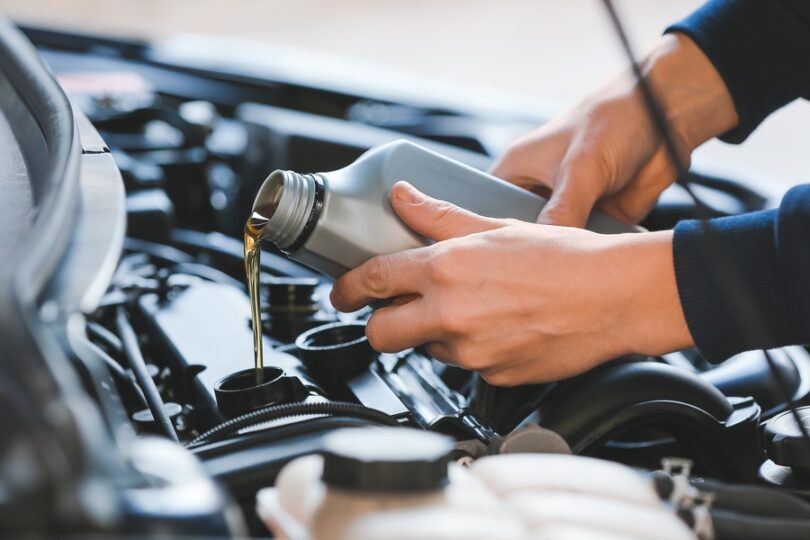

Changing your vehicle’s oil at home can save money and keep your engine running smoothly, but it also creates waste that requires careful handling. Understanding how to properly dispose of used motor oil helps protect the environment, prevents contamination of soil and water, and keeps your workspace safe. Used oil contains contaminants that build up during engine operation, so you should never pour it down drains, onto the ground, or into household trash. Instead, responsible disposal allows recycling centers to clean and reuse the oil for future applications.
Store Used Oil Safely
After draining the oil from your vehicle, immediately transfer it into a clean, leak-proof container. Many drivers reuse the empty motor oil bottle because it already seals tightly and resists leaks. Avoid mixing the used oil with other automotive fluids such as antifreeze, brake fluid, or gasoline. Mixing fluids can make recycling impossible and may require special hazardous waste treatment. Keeping the oil clean and contained makes it much easier for recycling facilities to process it properly.
Place the sealed container in a cool, stable location where it will not tip over. If you transport the oil later, secure the container upright in your vehicle to prevent spills. Even a small spill can stain surfaces and harm the environment.
Take Oil to a Recycling Location
Most communities offer convenient locations where residents can bring used motor oil. Many auto parts stores, service garages, and recycling centers accept used oil from customers at no charge. These locations collect oil in large storage systems and send it to facilities that filter and refine it for reuse.
Transport the oil in its sealed container and hand it directly to staff or place it in the designated collection area. Recycling facilities clean and process used motor oil into new lubricants, industrial fuels, and other useful products, reducing environmental waste. Responsible recycling keeps harmful substances out of landfills and waterways.
Prevent Contamination During Oil Changes
Proper disposal starts with careful handling during the oil change itself. Using the right tools and containers helps prevent spills and keeps the oil clean enough for recycling. Many drivers also overlook routine preparation, which can lead to unnecessary mess and wasted oil. Paying attention to the mistakes to avoid when changing engine oil helps ensure the process remains efficient and environmentally responsible.
For example, using a large drain pan prevents overflow, while allowing the engine to cool slightly before draining reduces splashing. Wiping tools and funnels before use also prevents contaminants from entering the oil container.
Dispose of Motor Oil the Responsible Way
Handling used motor oil responsibly is a simple but important step in maintaining your vehicle and protecting the environment. By storing oil safely, transporting it in sealed containers, and taking it to a recycling facility, drivers prevent pollution and support sustainable recycling practices. Learning how to properly dispose of used motor oil ensures that routine vehicle maintenance remains both safe and environmentally responsible.