


The Philippines stretches across more than seven thousand islands, offering beaches, limestone cliffs, and coral reefs that attract visitors from all over Southeast Asia. Exploring it can feel effortless when you plan around how people actually move and live there. A few smart adjustments before and during your trip make a big difference, especially if you want to spend less time sorting logistics and more time soaking in what’s around you. The goal is to move through each stop with awareness and patience rather than hurry.
Plan Around the Geography
Getting from one province to another isn’t like crossing city lines. Ferries, buses, and domestic flights connect the islands, but schedules often shift with the weather. It helps to check flight and ferry routes before finalizing accommodations, since some islands are connected only on certain days.
Metro Manila can be busy to the point of a standstill, so consider breaking your trip into clusters: Luzon for the capital and historical stops, the Visayas for Cebu City and nearby beaches, and Mindanao for lesser-known sites. Each group has its own pace and character. Mapping your route in advance keeps travel time realistic, especially if you plan to see more than one region in a single trip.
Stay Connected
Many travelers rely on digital tools for directions, translation, and transport. Setting up a Philippines eSIM before you arrive saves the trouble of hunting for a local SIM card at the airport. Coverage is broad enough for most areas where tourists go, including remote coastal towns.
Keep in mind that mobile data can lag in rural spots. Download offline maps and key documents in advance. If you use a ride-hailing app, book earlier in the evening when drivers are more active, especially in smaller cities. Staying online also helps when coordinating tours or checking boat timetables, since many local operators confirm bookings through messaging apps rather than websites.
Pack for Function, Not Weight
The humidity can make heavy luggage miserable. A dry bag comes in handy for boat rides, island hopping, or sudden downpours. Locals often use them even for short ferry trips.
Snorkeling gear can be rented easily, but bringing your own mask saves money and fits better. Pack items that dry fast and can handle salt water or sudden rain showers. Include insect repellent, a power bank, and a small first-aid kit. You’ll thank yourself later when you realize laundry services sometimes take a day or two to return clothes, especially on smaller islands.
Know the Seasons and Safety Basics
The Philippines has two main weather patterns: dry from December to May, and rainy from June to November. Storms can delay transport, so flexible timing helps. If you’re visiting El Nido or Apo Island, calm seas mean better visibility for diving and swimming with marine life.
Health and safety practices are straightforward: use sunscreen, stay hydrated, and keep copies of your travel insurance details. When heading to rural communities, basic courtesy, like dressing modestly or asking before taking photos, goes a long way. Some travelers also carry small cash for tips or emergency rides since card systems aren’t accepted everywhere.
Explore Beyond the Obvious
Tourist hotspots such as Fort Santiago and Puerto Princesa have their place, but the quieter corners often show daily life more clearly. In Cebu City, side streets near public markets carry snacks and crafts worth sampling.
Some coastal villages allow fish feeding tours or visits to selfie gardens built for local weekend crowds. These can feel commercial, yet they offer glimpses of how domestic tourism runs. A short trip to the Sulu Archipelago, though farther, brings you closer to the maritime culture that shaped much of the country’s trade routes. Travelers with time to spare often stop in smaller ports to observe fishermen unloading their catch before dawn.
Travel Respectfully and Responsibly
The country faces recurring typhoons and periodic humanitarian aid work in vulnerable regions. Visitors contribute by following local conservation rules (e.g. no touching coral reefs or chasing whale sharks for photos). These measures protect fragile ecosystems that sustain both tourism and local fishing.
Be cautious of counterfeit goods in markets; it’s common in some areas, but easy to avoid if you buy directly from artisans or official stalls. Respect boundaries on military zones or nature reserves where access is restricted for safety reasons. Supporting community-based tours also helps distribute income more evenly across islands.

Keep Perspective on Movement
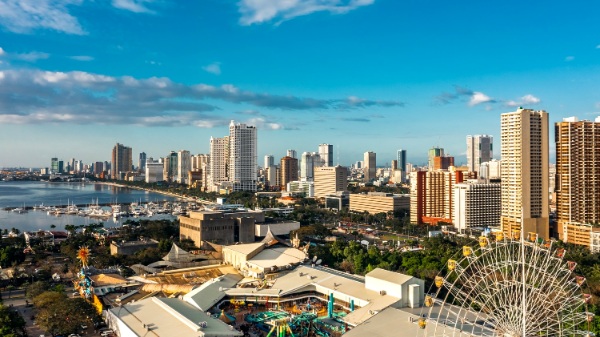
The mix of traffic, ferries, and airports can test anyone’s patience. Taking it as part of the experience helps. Locals often pass the time in line chatting or sharing snacks, which softens the wait. Apps like the eTravel App simplify entry procedures, so fill them out before landing.
Delays happen, but so do small surprises; a roadside stand selling tropical fruit or a driver offering directions. The rhythm of travel here rewards anyone willing to adapt instead of rushing. Once you adjust, you begin to notice details that reveal how each island moves at its own tempo.
Conclusion
Exploring the Philippines works best when you stay flexible and curious. Reliable communication, simple packing habits, and a steady sense of respect make every island feel more accessible. Whether you’re hopping between ferries or wandering through a busy market, travel runs smoother when you match the local pace rather than fight it. A little patience opens space for genuine encounters, and that’s what makes the trip linger long after you’ve left.