
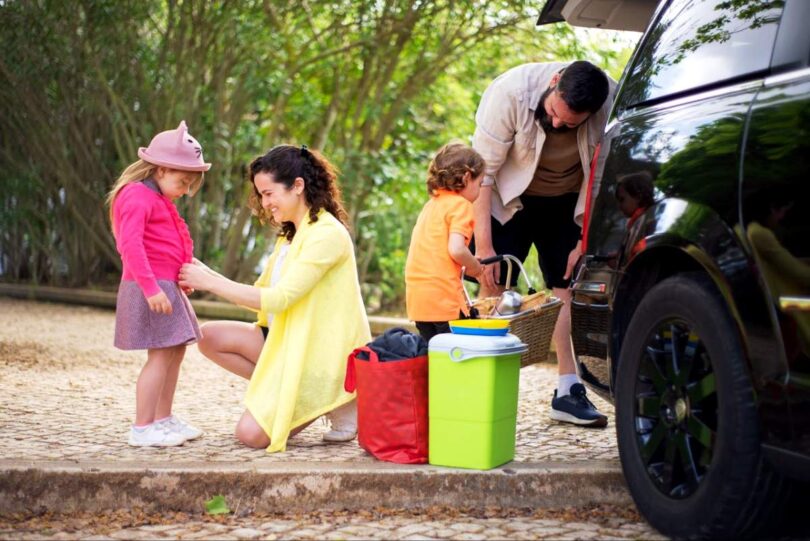

Traveling with children can be a challenge, but with the right activities, it becomes an opportunity for learning and skill development. Fun and easy fine motor activities such as cross stitch sets, busy bags, and shape-making kits, keep children occupied while strengthening their hand coordination and dexterity. Choosing activities that are simple to pack, require minimal cleanup, and are engaging can help families enjoy smoother trips and happier journeys.
You’ll find plenty of creative options to try, everything from crafting scenes with contact paper and leaves to using mess-free busy books with zippers and Velcro. For ideas that are both practical and child-friendly, the list of fine motor activities for children by Soundsory can suggest great options that are especially useful while traveling. As compared to more traditional activities, these provide a greater variety and sensory-rich experience without the mess.
This article is for informational purposes only. Always consult a pediatric specialist before starting new activities, especially for children with developmental concerns.
Key Takeaways
- Fine motor activities make travel smoother and more fun.
- Compact and sensory-based games support skill development.
- Resources exist to keep children engaged and progressing.
Best Fine Motor Activities for Children While Traveling
Children benefit from hands-on fine motor activities that are simple to pack and mess-free while on the go. The options below involve the use of small muscles in the hands, supporting skill development in preschoolers and school-age children alike.
Sticker Play and Reusable Sticker Books
Sticker play is a portable, engaging way for young children to strengthen fine motor skills. Applying stickers requires kids to peel, grasp, and place them—helping to improve finger strength and control. Reusable sticker books are especially travel-friendly since stickers can be repositioned, encouraging not only dexterity but also creativity and story-building.
Preschoolers often enjoy creating their own scenes or completing sticker-based mazes and puzzles. Compact sticker albums easily fit into a backpack and can keep kids entertained during flights, car rides, or waiting rooms. A variety of themes and reusable options are available, making it easy to tailor this activity to a child’s interests.
Threading and Beading Games
Threading beads onto string or pipe cleaners is a classic fine motor activity for kids. It supports hand-eye coordination, visual tracking, and bilateral hand use. For travel, select large, brightly colored beads and flexible laces or pipe cleaners, which are less likely to roll away or get lost.
Children can create patterns, necklaces, or simple shapes, focusing attention while practicing finger manipulation. For older preschoolers or school-age children, challenging them to sort beads by color or size adds a cognitive element. This type of activity not only occupies small hands but also promotes calm focus during long journeys.
Travel-Friendly Playdough and Homemade Dough
Small tubs of commercial or homemade playdough are lightweight and packable, providing endless opportunities to develop fine motor strength. Children can roll, pinch, flatten, and shape the dough to build hand muscles and coordination. Bringing along simple tools like plastic utensils or cookie cutters can add extra creative options on the road.
Homemade dough is easy to prepare using basic ingredients, ensuring it is safe and affordable. Playing with dough supports skills needed for writing, drawing, and everyday tasks. Choose no-mess recipes and store playdough in resealable bags or containers to prevent drying and spills, making this an ideal sensory and fine motor activity while traveling.
Creative and Sensory Fine Motor Skill Development on the Go
Traveling with children provides unique chances for them to build fine motor skills through playful, sensory-rich activities. Compact art tools, tactile materials, and hands-on sensory play can support hand strength, precision, and coordination in small spaces.
Coloring, Dot Art, and Origami
Coloring books with crayons or triangular pencils foster pencil grip, finger endurance, and small hand muscle development. Children can enhance hand-eye coordination while filling in shapes and practicing color sorting or matching. Dot art uses markers or stickers to target pincer grasp and in-hand manipulation as kids place colored dots within outlines.
Travel-size origami kits let children learn basic folds, supporting bilateral coordination and manual dexterity. Simple models such as paper boats or cranes can be made with limited space, and following step-by-step instructions builds focus and basic life skills. Keeping a variety of colored paper allows for creative play and practice with patterns.
Pipe Cleaners, Weaving, and Scissor Skills
Pipe cleaners are flexible, portable, and excellent for strengthening hand muscles and pincer grasp. Children enjoy bending them into shapes, letters, or simple animals, which enhances creative play and fine motor development. Basic weaving projects, such as threading pipe cleaners through holes in a colander or cardboard, sharpen hand-eye coordination and color matching skills.
Scissor skills can be practiced with child-safe scissors and strips of paper or playdough. Snipping small pieces builds cutting confidence, supports hand strength, and develops the muscles needed for writing and other life skills. Simple activities like cutting zigzag or curved lines keep children engaged and target precise movements without needing much space
Conclusion
Children can enjoy a variety of fine motor activities while traveling, using simple items like beads, buttons, pipe cleaners, and colorful pasta. These activities encourage creativity and support motor skill development without creating a mess or requiring a lot of space. Travel-friendly fine motor games can be adapted to suit different ages and interests. By keeping the activities simple and engaging, children are more likely to stay focused and content during the journey.
Photo by Kampus Production