

Whether you’re looking to upgrade or purchasing your very first piano, choosing between acoustic and digital models can be a difficult decision. Each type has its benefits and caters to different needs, budgets, and spaces. This guide will help you understand acoustic versus digital pianos so you can pick the one that is right for you.
Acoustic Pianos
Acoustic pianos are known for their rich, resonant sound and traditional artisanship. They create music through strings and hammers, which offer unmatched depth and dynamic range.
However, maintaining an acoustic piano requires regular tuning and upkeep, which can add to long-term costs. These pianos also tend to be more expensive upfront and require significant space, making them less suitable for smaller homes.
Digital Pianos
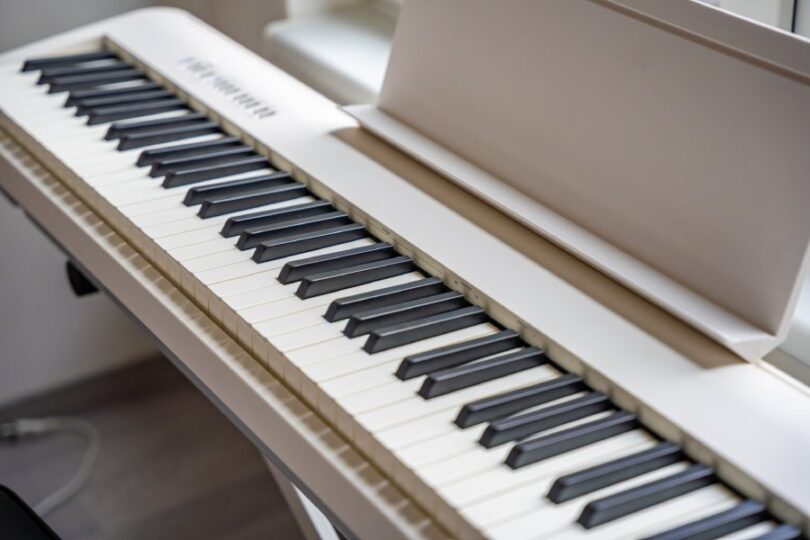
Digital pianos simulate the sound of an acoustic piano using technology. They come with features like headphone support, built-in metronomes, and recording options, making them more versatile for practice and creative music production.
Digital pianos are generally more affordable and lightweight, making them easier to move and store. Unlike their acoustic counterparts, they don’t require tuning.
Key Differences
The main contrast between acoustic and digital pianos lies in their sound and feel. Acoustic pianos naturally produce rich, nuanced tones, but digital pianos use sampled sounds that, while impressive, lack the depth of acoustic versions.
Likewise, the weighted keys on high-end digital models closely mimic an acoustic key action, but purists often feel they still fall short.
Maintenance also sets them apart. Acoustic pianos require consistent care and tuning, unlike digital ones. Finally, price is another major factor, as digital pianos are generally more budget-friendly.
Making the Right Choice
Your ideal piano depends on your specific needs and circumstances. Beginners or those with limited space might find digital pianos more practical due to their affordability and features. On the other hand, experienced players or those seeking the purest sound might prefer the quality of an acoustic.
If you’re noticing signs you need to upgrade your old piano to a new model, it’s also important to consider what you would like to improve. If you’re seeking better sound or feel, you might lean toward an acoustic model. The choice also depends on the instrument’s intended use, whether casual practice or professional performance.
In the end, both acoustic and digital pianos have unique strengths, and each caters to different players and lifestyles. It all comes down to comparing these different qualities of acoustic versus digital pianos and deciding which one is right for you. Evaluate what matters most to you, and you’ll find the piano that fits perfectly into your musical journey.