
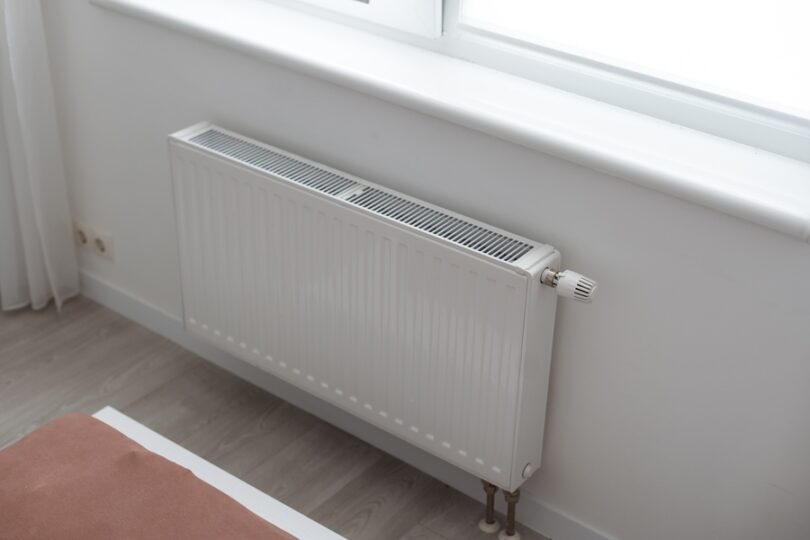

Hydronic baseboard heaters are a fantastic way to keep your home cozy during the cold months. These systems utilize heated water to generate radiant warmth, making them efficient and reliable. And like any heating system, they perform their best with regular maintenance.
Neglecting upkeep can lead to reduced efficiency, higher energy bills, and even potential repairs. Fortunately, taking care of your baseboard heaters isn’t complicated! This guide will explain how to take care of your hydronic baseboard heaters to ensure they stay in top shape.
Clean the Baseboards Regularly
Dust and debris are the enemies of efficiency when it comes to hydronic baseboard heaters. Over time, particles can accumulate on the fins and surfaces of your units, blocking airflow and forcing the system to work harder than necessary. To avoid this, clean your baseboards regularly.
Here’s how to do it:
- Use a vacuum with a soft brush attachment to gently remove dust and dirt from the fins and surrounding areas.
- For a more thorough clean, wipe down the exterior surfaces with a damp cloth.
Bleed the System Annually
One of the unique features of hydronic systems is their reliance on water as a means of producing heat. However, air can occasionally enter the system and obstruct the water’s flow. When this occurs, you may notice uneven heating or a decrease in performance.
The solution? Bleeding your system annually. Removing trapped air restores smooth water flow and keeps your heater running efficiently. While the process may vary depending on your system, the general steps involve locating the bleed valve, loosening it to release air, and retightening it once water flows steadily. By making this an annual routine, you’ll enjoy a more consistent and comfortable heat.
Inspect for Leaks or Corrosion
Hydronic baseboard heaters are built to last, but they’re not immune to wear and tear. Regularly inspecting your heaters and their connected pipes can help prevent more significant issues down the line. Look out for leaks, rust, or signs of corrosion that could indicate trouble.
Spotting these problems early allows you to address them before they escalate into costly repairs or replacements. Following specific tips for troubleshooting hydronic baseboard heaters can help you inspect for potential issues effectively. It only takes a few minutes to check, but the benefits of catching problems early are invaluable.
Test the Thermostat Functionality
Your hydronic system’s thermostat plays a critical role in maintaining the desired temperature in your home. If it’s not working properly, you may experience uneven heating or end up paying more on your energy bills.
Testing your thermostat periodically is a straightforward way to ensure everything is running smoothly. Adjust the temperature settings and observe how your heater responds. If something feels off, it might be time to replace the thermostat or have it recalibrated. Small adjustments like this can make a significant difference in keeping your home warm without unnecessary energy waste.
Keep Your Heaters Running Smoothly
Learning how to maintain your hydronic baseboard heaters is the key to efficient, reliable, and cost-effective heating. By cleaning the baseboards, bleeding the system annually, inspecting for leaks, and testing the thermostat, you can extend the life of your heating system and ensure optimal performance throughout the winter.