
In a city known for its sunshine, outdoor culture, and design-forward homeowners, it’s no surprise that Los Angeles is leading a new era in exterior makeovers. What was once considered a secondary space—the backyard—is now center stage in residential real estate, and buyers, sellers, and renovators are all paying attention. At the heart of this transformation is hardscaping. LA’s real estate market is witnessing a dramatic rise in demand for homes with structured, stylish, and low-maintenance outdoor areas. From Hollywood Hills to Culver City, hardscaping in LA has become not just an aesthetic choice, but a real estate essential.
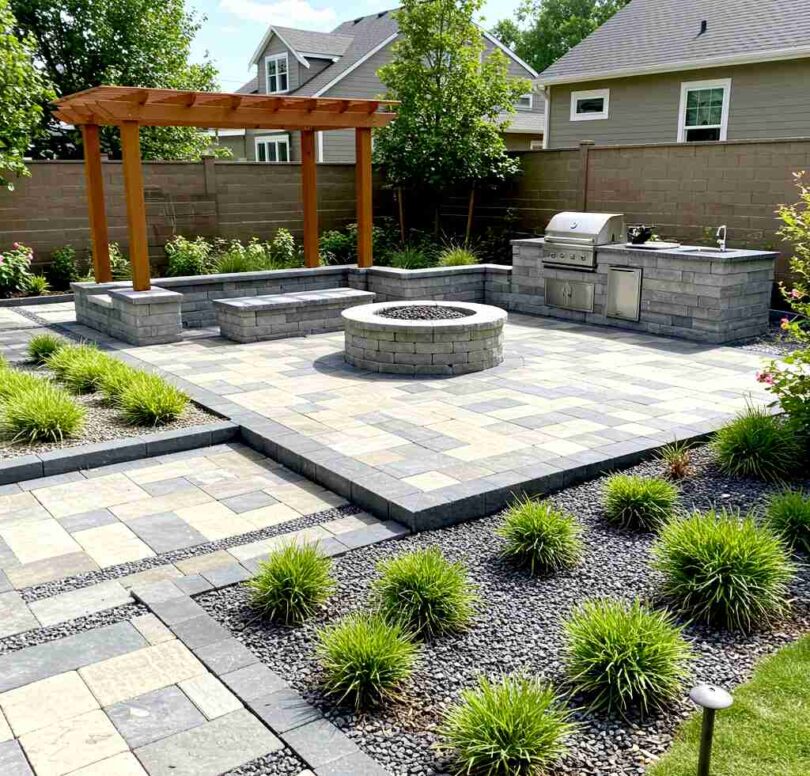
Gone are the days when a patch of grass and a few potted plants were enough to impress. Today’s buyers are looking for full-blown outdoor living environments: elegant stone patios, sleek fire pits, built-in seating, outdoor kitchens, and eco-conscious walkways. These elements, made possible by well-executed hardscaping, are turning once-basic backyards into valuable lifestyle amenities. Whether prompted by the pandemic-era push for home-centered leisure or the ongoing need for drought-resilient landscapes, the demand for hardscaped yards has never been stronger—and the impact on property value is undeniable.
Buyers Want More Than Grass—They Want Outdoor Living
In the past, backyards were an afterthought for many homebuyers. A little green space was nice, but not a deal-breaker. That’s no longer the case in Los Angeles. Today’s buyers are looking for outdoor environments that offer a true extension of the home. Especially in a climate where outdoor living is viable year-round, functional and beautiful exteriors are becoming just as important as kitchens and bathrooms.
Hardscaping delivers exactly what these buyers crave. From smooth concrete lounges to flagstone courtyards, these structured elements give purpose to the backyard, turning it into a destination rather than a placeholder. A hardscaped space can host dinner parties, movie nights, or morning yoga without relying on sprawling lawns or fussy plant maintenance.
Furthermore, the aesthetics of hardscaping align with the broader architectural trends of Southern California. Modern lines, natural materials, and minimalist design are now the gold standard, and well-done hardscaping mirrors those principles. Whether it’s a Japanese-inspired gravel garden or a Mediterranean patio with terracotta pavers, buyers see these design cues as a sign of thoughtful, high-end curation—and they’re willing to pay for it.
Drought and Sustainability Are Shaping Design Decisions
One of the most compelling forces behind LA’s hardscaping boom is its climate. Water scarcity has become a defining issue for Southern California, with drought declarations, irrigation restrictions, and mounting pressure on homeowners to reduce their water footprint. Traditional landscaping—especially large lawns and water-hungry flora—is no longer tenable for most Angelenos.
Hardscaping offers a practical, attractive solution. By reducing or eliminating the need for irrigation, homeowners can comply with environmental guidelines while still enjoying stunning, multifunctional spaces. Permeable pavers, gravel beds, and decomposed granite walkways not only use less water but also improve drainage and minimize runoff. These features are increasingly being seen not just as trendy, but as responsible.
This shift has also contributed to a broader redefinition of what a “green” backyard looks like. Instead of lush grass, sustainable yards now showcase desert-inspired planting schemes, drought-tolerant borders, and shade structures that reduce heat absorption. Hardscaping forms the backbone of these layouts, providing both visual anchors and functional infrastructure.
Outdoor Spaces Became a Pandemic Priority – and They’re Here to Stay
The COVID-19 pandemic fundamentally altered how people use their homes, especially in Los Angeles. With restaurants closed, travel restricted, and work-from-home becoming the norm, homeowners began to see their outdoor spaces in a new light. Backyards were no longer casual extras—they became offices, gyms, classrooms, and sanctuaries.
That shift in mindset has had a lasting impact on design trends. Even as normal life resumes, the desire for well-equipped, private outdoor space remains high. Hardscaping played a crucial role in enabling that transformation, offering durable surfaces, seating areas, and defined zones that could be used in all kinds of ways.
In LA, the post-pandemic buyer doesn’t just want an outdoor area—they expect one that’s already functional. A property with an existing hardscaped patio, fire pit, or outdoor kitchen is far more attractive than one that requires weeks of planning and construction to reach the same level of livability. Real estate agents across the city are reporting increased competition and higher offers for listings with these turnkey amenities.
Hardscaping Boosts Home Value and Market Appeal
There’s a clear financial case for investing in hardscaping, especially in Los Angeles’ competitive real estate environment. Properties with professionally designed outdoor spaces routinely sell faster and for higher prices than those without. According to regional realtors, homes with features such as stone patios, outdoor lighting, and built-in fire elements can see return on investment as high as 150%.
Buyers are not only drawn to the aesthetics of hardscaped yards—they see them as evidence of low-maintenance living. In a city where many homeowners are busy professionals or investors looking to rent out properties, a backyard that doesn’t require weekly mowing, fertilizing, or watering is a major selling point.
Hardscaping also increases usable square footage without expanding the home’s footprint. A 400-square-foot patio with shade sails and outdoor speakers effectively functions as an additional living room. This expanded lifestyle potential is something buyers calculate into their perception of a home’s worth—and it’s why well-hardscaped properties command a premium.
Design Flexibility Is Attracting a Diverse Range of Homeowners
Another factor fueling LA’s hardscaping boom is its incredible versatility. Whether you’re a first-time buyer in Highland Park, a luxury homeowner in Brentwood, or a minimalist in Venice, hardscaping can be tailored to suit your vision. It supports a wide range of aesthetics, from sleek and modern to rustic and Mediterranean, allowing homeowners to express individuality while still keeping their property functional.
This flexibility also applies to lot sizes. In dense neighborhoods where yard space is limited, hardscaping offers a way to create organized, beautiful outdoor areas that make the most of every inch. Built-in planters, vertical gardens, and multi-level patios can turn a postage-stamp-sized yard into a serene retreat. Conversely, larger properties benefit from grand hardscape layouts with multiple zones, focal points, and integrated lighting.
LA’s culturally diverse population also plays a role here. Different communities bring varied traditions, preferences, and uses for outdoor spaces. Hardscaping can accommodate all of them—hosting large family gatherings, providing spiritual tranquility, or showcasing edible landscapes that tie into cultural cuisines. In this way, hardscaping is not only elevating the city’s aesthetics but enriching its cultural tapestry as well.
LA’s New Standard for Outdoor Elegance
The surge in backyard transformations across Los Angeles is more than a passing trend—it’s a reflection of evolving values, lifestyle needs, and design intelligence. Hardscaping in LA has emerged as the foundation of this movement, enabling homeowners to create sustainable, stylish, and highly functional outdoor environments that increase both quality of life and property value.
As climate challenges continue and buyer expectations evolve, the demand for hardscaped yards will only grow stronger. They’re more than just an upgrade—they’re a statement of forward-thinking living in one of the world’s most dynamic cities. Whether you’re selling, buying, or simply improving your slice of Los Angeles, investing in a smart, beautifully designed hardscape is no longer optional. It’s the new standard in real estate—and it’s redefining what it means to call a place home.