
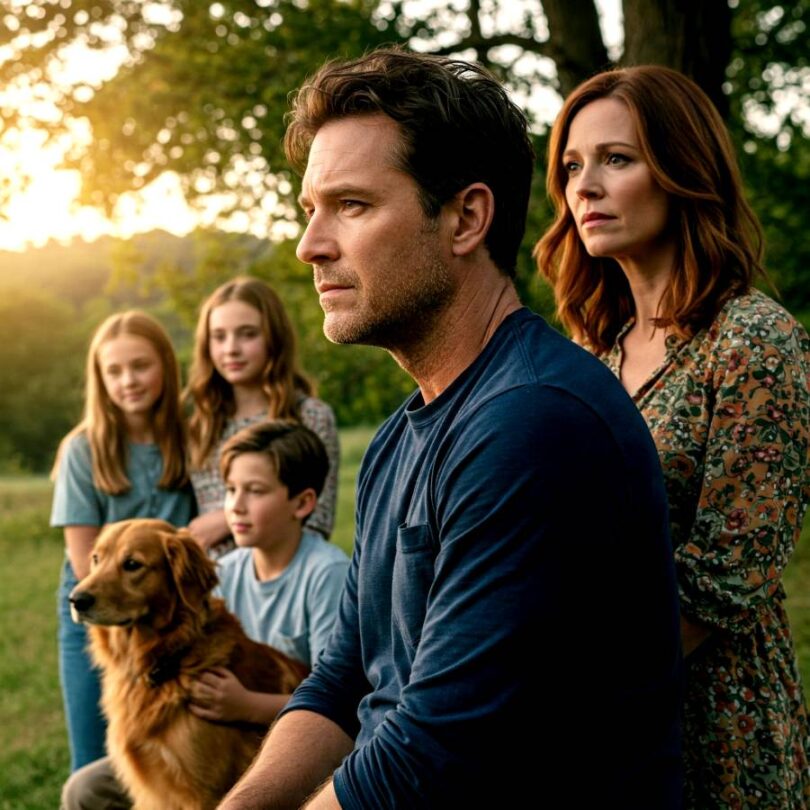

It doesn’t take much for everything to change. One moment, life feels normal. The next, someone you love is quiet, jumpy, and not themselves anymore. Families in Newport Beach are no stranger to the long shadow PTSD can cast. But while it often starts with one person, it never ends there. PTSD spreads out, quietly affecting marriages, kids, friendships, even how safe a house feels. And yet, through all that weight, something hopeful is happening here in Orange County.
People are learning to talk about it. They’re getting help earlier. And just as importantly, they’re learning how to support each other through it.
When One Hurts, Everyone Feels It
You don’t have to go through war to get PTSD. Many people in Newport are dealing with it after car accidents, hospital stays, fires, violence, or sudden loss. Some don’t even realize they’re living with it—they just feel tired, irritated, or afraid all the time. And it’s not just adults. Kids can sense it. They start walking on eggshells, wondering when the next angry outburst or silent shutdown is coming. It makes a home feel less like a safe place and more like something you tiptoe around.
Couples often talk about feeling disconnected. Someone who used to laugh or share everything now avoids eye contact or withdraws completely. That space grows fast, especially when no one understands what’s really happening. And for families who are close, that hurts in its own quiet way. You want to fix it, but you don’t know how.
That’s where community awareness is making a difference.
Newport Is Stepping Up Early
The earlier someone gets support, the better their chances of managing symptoms and keeping relationships strong. Schools in Newport Beach have started offering trauma-informed training so teachers can better recognize signs in students. Local therapists are working closely with pediatricians and even coaches to catch things that might otherwise slip through. A kid who suddenly won’t sleep or becomes clingy after a scary event? That’s something adults are learning to take seriously.
At the adult level, doctors and therapists around Orange County are being more proactive too. It’s no longer just about treating anxiety or depression on the surface. More professionals are digging deeper, asking the right questions, and helping people name the thing that’s been running under their skin for months or years. PTSD treatment is starting to feel less like a secret, and more like something people actually talk about at the dinner table—or at least, quietly over coffee with a friend.
Real Recovery Takes Real Help
Not everyone heals the same way. Some people do great with weekly therapy, especially if they catch it early. Others need something more. The truth is, PTSD is stubborn. It hijacks your sleep, messes with your concentration, and makes even small things feel overwhelming. For many, more intensive treatment is essential. Finding an IOP in Orange County to help you is easier than you might think. These programs let you stay at home while getting serious care during the week. It’s a big step—but it’s often the one that changes everything.
In Newport Beach, some of these programs are specifically built for people trying to hold jobs, raise kids, or repair marriages. That matters. When treatment fits your life, you’re more likely to stick with it. And the best ones aren’t just about calming your nervous system. They help you learn how to talk to your spouse again. They teach you how to be honest with your kids without scaring them. They show you how to make your brain feel safe in your own body again.
Families Can Heal Together
One of the most beautiful changes in Orange County is how many treatment centers and therapists are starting to include families. Instead of just focusing on the person with PTSD, they’re helping the whole family understand what’s going on and how to handle it together. It makes a huge difference.
You’ll see dads sitting with their teenage daughters and learning how to explain what a panic attack feels like. You’ll see partners who were thinking about leaving now realizing that PTSD isn’t a character flaw—it’s an injury, and it can heal. You’ll see parents talking to their kids about fear in honest, age-appropriate ways. When a family understands what PTSD does to the brain, it’s a little easier not to take things so personally. That space creates room for healing.
Finding Support in Unexpected Places
There’s something unique about living in a place like Newport Beach. Yes, it’s beautiful, and yes, there are a lot of resources. But what stands out most is the way neighbors quietly show up for each other. You’ll find support groups meeting in church basements or community rooms at the library. You’ll see surf therapy programs welcoming veterans and civilians alike. And you’ll notice how some of the best conversations about mental health happen at the soccer field, the dog park, or standing in line at Sidecar Donuts.
Sometimes healing doesn’t start in a therapist’s office. It starts when someone says, “Hey, me too,” and the silence finally breaks.
There’s More Hope Than You Think
If you’re watching someone you love suffer with PTSD—or living with it yourself—know this: the ripple can work both ways. Just as pain spreads through families, so does healing. One brave conversation can lead to another. One decision to get help can change the way your kids grow up. And one day, you might look back and realize the worst thing you went through became the thing that made your family stronger.
Newport Beach isn’t just a place with nice views. It’s a place where people are quietly learning how to hold space for each other’s pain and show up for the long road of recovery.
And that might just be the most powerful ripple of all.