



Selecting the perfect chair to suit your needs boils down to understanding your requirements and preferences. Whether you’re redecorating a room, designing a comfort zone for relaxation, or equipping a care facility, the choice of chair can significantly impact comfort and aesthetic appeal. In this guide, we will explore the essential factors to consider when choosing the right chair, as well as various types of chairs available in the market, ensuring you find the ideal match for your needs.
Understand Your Requirements
Before diving into specific styles and types of chairs, identifying your personal needs is paramount. First, consider the chair’s primary purpose; is it for lounging in the living room, a desk chair for the office, or perhaps a supportive chair for an older family member? Assessing this will help narrow down your options. Another vital aspect is the duration you plan to spend seated. If you are looking for a chair for extended periods, such as an office chair, it’s essential to look for ergonomic designs that promote good posture and provide ample support. Studies indicate that around 70% of working professionals suffer from back pain due to poor seating choices, making the right selection crucial for overall well-being.
Consider Space and Design
The next factor to weigh is the space where you plan to position the chair. Measure the area and consider how the chair’s size and shape will fit within that space. A chair that is too large can overwhelm a room, while a smaller chair may not offer the support needed. For instance, an armchair might be perfect for a cozy corner, while a more expansive sofa would suit a larger living area. Moreover, design matters. Your choice should complement or contrast the existing decor beautifully. Whether you prefer minimalist, modern, eclectic, or vintage styles, ensure that the chair fits harmoniously within the overall aesthetic. Fabric choices, colors, and textures play a significant role in the atmosphere of your space. A bright-colored chair can serve as a striking focal point, while neutral shades often blend seamlessly.
Materials and Comfort
Next, scrutinize the materials used in both the frame and upholstery. For the frame, heavy-duty materials like hardwood or metal promise durability, while lighter choices like plastic may be suitable for some casual options. Upholstery options range widely, including leather, velvet, and cotton blends, each offering various levels of comfort and durability. Comfort should be a significant consideration in your selection process. Opt for a chair that provides adequate cushioning, especially in key areas such as the back and seat. Selecting care home chairs for maximum comfort can support seniors or individuals with mobility issues, ensuring they receive the correct ergonomic support. Thus, it is important to consider caring for your chair’s occupants.
Adjustability and Features
For some chairs, especially office and gaming models, adjustability is key. Features like height adjustment, reclining options, and armrest customization can enhance comfort and cater to personal preferences. A chair that conforms to your specific body shape contributes to better support and reduces discomfort. For example, a chair that allows you to recline slightly can be particularly beneficial during longer work sessions, as it helps to relieve tension in your neck and back. In addition, some modern designs incorporate technology; for instance, chairs with built-in speakers or massage features provide additional comfort while maximizing relaxation. These features might be beneficial for individuals looking to enrich their overall seating experience.
Test Before You Buy
If possible, always test a chair before making a purchase. Personal comfort is highly subjective, and what works for one person may not work for another. An in-store trial enables you to assess the chair’s support, comfort, and overall fit. Sit in the chair for a few minutes to fully gauge comfort and utility. Observe how it supports your back and whether the seat feels too firm or too soft. While online shopping has its conveniences, ensure you know the return policy to avoid pitfalls if the chair doesn’t meet your expectations after trying it out in your space. Reading reviews and ratings from other customers can also provide valuable insight when browsing online.
Styles of Chairs to Consider
The market is brimming with diverse chair styles, each suited for different purposes and preferences. Here are a few popular types:
- Accent Chairs: Ideal for adding flair and personality to a room, accent chairs often serve as decorative elements rather than primary seating.
- Recliners: Known for their adjustable positions, recliners are perfect for relaxation and often come with additional features such as footrests.
- Office Chairs: Ergonomically designed to support long hours at work, these chairs are adjustable and come with advanced lumbar support.
- Dining Chairs: Typically less cushioned than other seating options, dining chairs must blend well with your dining environment, combining functionality with style.
With so many options available, selecting the right style will largely depend on its intended use and the atmosphere you wish to create.
Budgeting Your Chair Purchase
Budgeting is an essential part of the decision-making process. While it can be tempting to focus solely on aesthetics, investing in a high-quality chair may save you money and health in the long run. Chairs within the ergonomic range can often appear more expensive upfront, but their durability and potential to prevent discomfort ultimately make them a wise choice. Set a budget but also be flexible. Consider waiting for sales or offers that may allow you to explore higher-end options without breaking the bank. Prioritize comfort and support over style alone, as a budget-friendly chair that sacrifices these aspects might require earlier replacement.
Accessories and Maintenance
To maintain the longevity of your chair, invest in accessories like chair pads, protective covers, or cleaning solutions tailored to your chair’s material. Regularly rotating cushion seats, if applicable, can also prolong their life. Cleaning routines should be part of your maintenance strategy. For fabric chairs, follow the cleaning instructions specific to the upholstery to keep stains and odors at bay. Leather chairs require specific cleaners, while wood chairs can often benefit from occasional polishing. Lastly, if you have pets or small children, consider furniture protection plans that might come with your purchase. Understanding how to maintain your chair can greatly extend its life and keep it looking new.

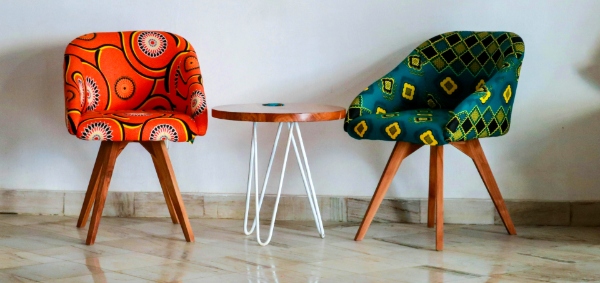
Photo by ERIC MUFASA
Choosing the right chair for your needs involves a careful consideration of several factors, including the purpose, space, material, comfort, and features. Understand your requirements before making a decision, and be willing to explore various styles that suit your tastes. Remember to test for comfort whenever possible, as personal preference plays a significant role in enjoying your new chair.
Feature photo by Andres Jasso