

Due to their size and the number of people living within them, urban areas like LA face many unique challenges when it comes to managing waste. Because of these circumstances, the potential for waste build-up is significant. However, those in charge of these areas or businesses within them can do something to mitigate the issue of excess waste. Here are five practical tips to help reduce waste in urban environments.
Set Up Better Recycling Systems
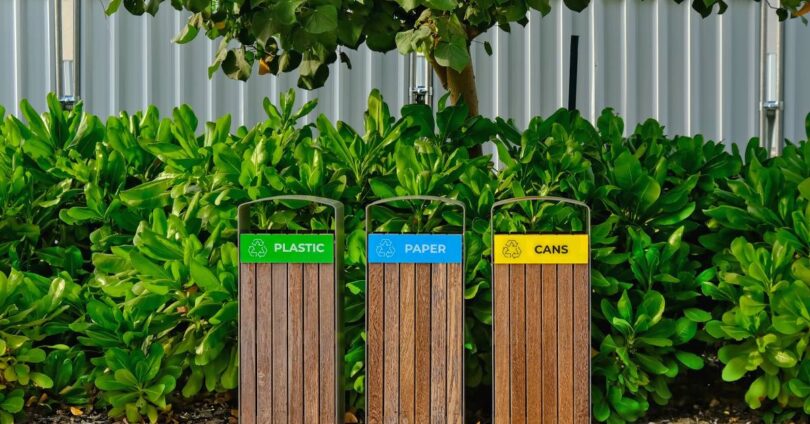
One of the most effective ways to reduce waste is by setting up better recycling systems. Many urban areas already have some form of recycling program in place, but they often lack efficiency or user-friendliness. By investing in more accessible and clearly labeled recycling bins, businesses and municipalities can encourage people to dispose of recyclable materials correctly. Additionally, providing education about what can and cannot be recycled can go a long way. Making this information more widely known will boost participation in waste management programs and reduce contamination in recycling streams.
Encourage the Reuse of Products
Encouraging the reuse of products is another way to significantly cut down on waste in urban areas. Think reusable shopping bags, water bottles, and coffee cups. Businesses in the city limits can offer incentives for customers who bring their own bags or containers. Municipalities can get involved by supporting local swap meets or second-hand markets where people can exchange items instead of discarding them. No matter how you go about it, promoting a culture of reuse not only reduces waste but also fosters a sense of community.
Cut Down on CO2 Emissions
Reducing waste isn’t just about physical trash; it’s also about cutting down on CO2 emissions. Businesses can contribute by adopting more energy-efficient practices, such as using LED lighting or upgrading to energy-efficient appliances. There are even ways to make CO2 an environmentally friendly choice if they can’t stop creating it as a byproduct. On the other side of things, cities can focus on improving public transportation systems to reduce the number of cars on the road, thus lowering emissions. Both businesses and local governments can encourage the use of bicycles by establishing bike-sharing programs or creating dedicated bike lanes.
Build Community Compost Piles
If organic waste is a problem in your area, building community compost piles is an excellent way to deal with this issue. Places that serve food can contribute by disposing of food scraps in compost bins rather than trash cans. You can also set up initiatives that create centralized composting locations where residents can drop off their organic waste. You can then use the resulting compost in community gardens or sell it to local farmers, creating a closed-loop system that benefits everyone involved.
Create Fewer Wasteful Items
Finally, creating fewer wasteful items can make a big difference. This strategy falls mainly on the shoulders of businesses. They should consider the lifecycle of the products they offer and opt for more sustainable options. This could mean using biodegradable packaging or designing products that have a longer lifespan. Municipalities can still support these efforts by implementing policies that encourage or even mandate such sustainable practices. By focusing on reducing the creation of waste at the source, urban areas can tackle the problem more efficiently.