
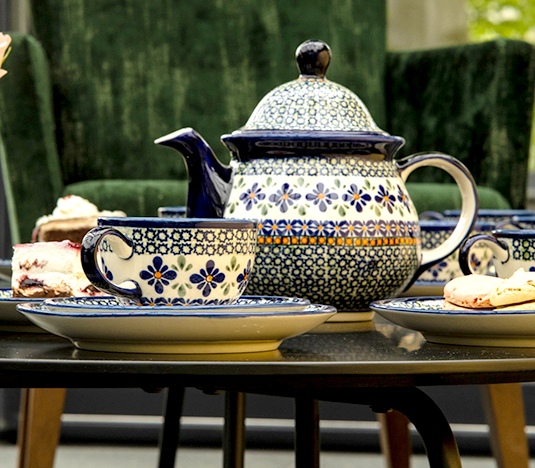

Polish pottery, also known as Polish stoneware or Bolesławiec pottery, is a type of ceramic ware that originates from Bolesławiec, a small town in southwestern Poland.
Known for its intricate designs and superior craftsmanship, authentic Polish pottery pieces are highly sought after by collectors around the world.

But how do you know if a piece is genuine or just an imitation? This article will guide you through several crucial aspects to look out for when identifying authentic Polish pottery.
What Are the Hallmarks of Authentic Polish Pottery?
When it comes to spotting real Polish pottery, the hallmark is the first tell-tale sign. Genuine pieces usually carry specific markings that can help authenticate them.
Typically, on the bottom of the pottery, there should be a stamp that includes the factory’s name and sometimes even the artist’s initials.
1. Factory Logo and Name
Most authentic Polish pottery pieces will bear the name or logo of one of the famous factories, such as “Ceramika Artystyczna” or “Manufaktura.” These logos are often applied meticulously to avoid any smudging or blurring.
2. Unique Script and Design
Look for unique scripts indicating “Handmade in Poland” or “Handcrafted in Bolesławiec.” The script should look professional and not hastily done. The lack of these markings could mean you’re looking at an imitation.
3. Artist Initials
Some of the particularly high-end pieces might even feature the initials of the artist who painted them. This adds another layer of authenticity, as these artists are specialized craftsmen.
However, be aware that counterfeiters have become quite good at replicating these marks. So, relying solely on hallmarks isn’t enough.
How Do Designs and Patterns Give Away Authenticity?
One unquestionable charm of Polish pottery lies in its vibrant and intricate designs. A closer look at these patterns can reveal a lot about their authenticity.
Traditional Patterns
Traditional designs like peacock eyes, florals, dots, and fish scales are common but executed with exceptional attention to detail. You won’t see any sloppy painting. Each dot and brush stroke is carefully placed.
- Symmetry: Authentic pieces usually feature symmetrical patterns.
- Detail Orientation: Attention to detail is most noticeable in these designs.
- Consistency: While each pattern varies due to hand-painting, an overall consistency should still be present.
Color Quality
Bright cobalt blue is dominant, but shades of green, yellow, and red also appear frequently. These colors don’t fade easily, standing out even after years of use. Low-quality imitations often fail in this aspect—either colors look faded or too bright.
Artistic Signature
Some high-ticket pieces carry an artistic signature at the bottom. It could be initials or a full name—each piece is unique in its own way.
Does the Feel and Sound Matter? Your Tactile and Auditory Guide
Your senses can be very helpful in identifying genuine Polish pottery. Primarily, focus on two aspects: how it feels and how it sounds when tapped gently.
Weight and Balance
Authentic Polish stoneware tends to be heavier than average ceramics because it’s made from dense clay found in the Bolesławiec region. If a piece feels unusually light, it might be an indication it’s not genuine.
Surface Texture
Run your fingers over the surface; authentic pieces are typically smooth but never slick like some mass-produced ceramics. Small imperfections indicate handcrafted quality rather than soulless items.
Sound Test
This might sound odd if you’re new to collecting ceramics—but lightly tapping an authentic piece can produce a particular ring or sound that’s different from imitations. This is because genuine Polish pottery is fired at high temperatures making it dense yet resonant.
In summary, while hallmarks and design characteristics guide us well, tactile evaluation provides additional confidence in determining authenticity.
Feature photo source.