
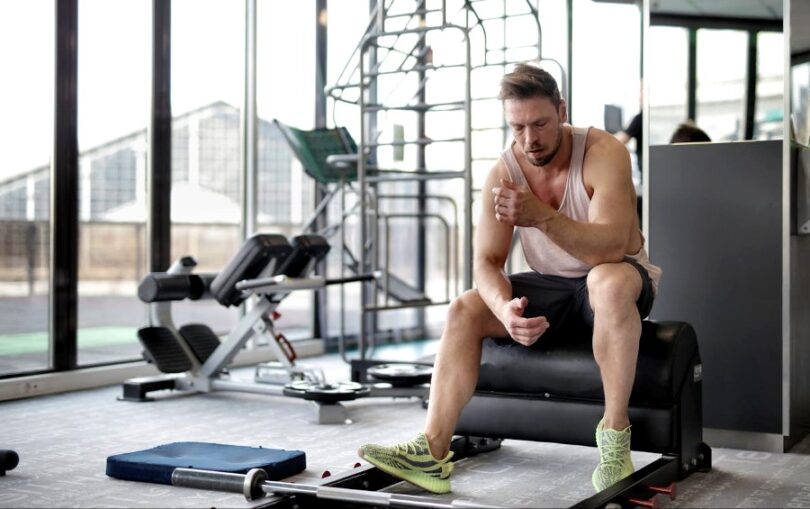

Understanding Workout Recovery
After exercising, your body needs time to bounce back. This process helps your muscles get stronger and lets you avoid injuries.
The Importance of Muscle Recovery
Muscle recovery is key for getting the most out of your workouts. When you exercise, you create tiny tears in your muscle fibers. These tears need to heal to make your muscles stronger.
Without proper recovery, you might feel sore and tired. You could even hurt yourself if you push too hard. Taking time to rest lets your body repair itself and get ready for your next workout.
Good recovery also helps you perform better. When your muscles are well-rested, you can lift more weight or run faster. This means you’ll see better results over time.
What Happens to Your Muscles Post-Workout
Right after you exercise, your muscles are in a state of breakdown. They’re tired and slightly damaged from your workout. But don’t worry – this is normal and part of getting stronger.
Your body starts to fix this damage right away. It sends more blood to your muscles, bringing nutrients they need to heal. Your muscles also become inflamed, which is your body’s way of starting repairs.
As you rest, your body makes new proteins to rebuild your muscle fibers. This process is called protein synthesis. It’s how your muscles grow and get stronger.
During this time, you might feel sore. This is called delayed onset muscle soreness (DOMS). It usually peaks 24-48 hours after your workout.
Optimizing Your Rest and Sleep
Getting enough rest and sleep is key for your body to recover after a workout. Your muscles repair and grow during this downtime.
The Role of Sleep in Muscle Recovery
Sleep is when your body does most of its repair work. During deep sleep, your body releases growth hormones that help fix damaged tissues. This process is vital for building stronger muscles.
Aim for 7-9 hours of sleep each night. If you skimp on sleep, you might feel more sore the next day. Your muscles won’t heal as well, and you could be at higher risk for injuries.
Try to stick to a regular sleep schedule. Go to bed and wake up at the same times each day. This helps your body’s natural rhythms and can improve your sleep quality.
Developing a Sleep Routine for Better Recovery
Create a bedtime routine to help you wind down. This can signal to your body that it’s time to rest.
Here are some tips for a good sleep routine:
- Turn off screens an hour before bed
- Take a warm bath or shower
- Read a book or listen to calm music
- Do some light stretching
- Keep your bedroom cool and dark
Avoid caffeine and heavy meals close to bedtime. These can mess with your sleep.
If you’re very sore, try using a foam roller before bed. This can help ease muscle tension and make it easier to fall asleep.
Effective Stretching and Mobility Exercises
Stretching and mobility work help your body recover after a tough workout. They can ease muscle tension and boost your flexibility. Try these exercises to feel better and move more freely.
Stretching to Improve Range of Motion
Start with a quad stretch. Grab your foot behind you and pull it towards your butt. Hold for 15-30 seconds on each side. This eases tightness in the front of your thighs.
Next, do a hamstring stretch. Sit on the floor with one leg straight. Reach for your toes. You’ll feel this in the back of your leg. Hold for 30 seconds, then switch sides.
For your upper body, try a chest stretch. Clasp your hands behind your back. Lift your arms up and feel the stretch across your chest. This helps undo the effects of hunching over during the day.
Don’t forget your back. Get on all fours, then sit back on your heels. Reach your arms forward. This is called child’s pose in yoga. It’s great for your lower back.
Incorporating Yoga and Foam Rolling into Recovery
Yoga can be a great addition to your post-workout routine. Try downward dog to stretch your whole body. Start on your hands and knees, then lift your hips up and back. Press your heels towards the ground.
Cat-cow is another good yoga move. Start on all fours. Arch your back up like a cat, then drop your belly down like a cow. Repeat this a few times to loosen up your spine.
Foam rolling can help work out tight spots in your muscles. Roll your quads by lying face down with the roller under your thighs. Use your arms to move back and forth.
For your back, lie on the roller with it along your spine. Cross your arms over your chest and roll side to side. This can ease tension in your back muscles.
Nutrition and Hydration for Muscle Repair
Good food and drink choices after exercise help your muscles recover. Eating protein and carbs while staying hydrated gives your body what it needs to repair and rebuild.
The Impact of Protein and Carbs on Recovery
Protein is key for fixing damaged muscle fibers. Aim to eat 20-30 grams of protein within an hour after your workout. Good sources are chicken, fish, eggs, or protein powder. Carbs work with protein to speed up recovery. They replace the energy your muscles used during exercise.
Try eating a banana with peanut butter or Greek yogurt with berries. These snacks give you both protein and carbs. For a quick option, drink chocolate milk. It has the right mix of nutrients to jump-start muscle repair.
Amino acids, especially BCAAs (branched-chain amino acids), are the building blocks of protein. They help reduce muscle soreness and fatigue. You can get these from foods or supplements.
Dehydration and Electrolytes’ Role in Muscle Function
Drinking water is vital after a workout. You lose fluids through sweat, which can lead to dehydration. This makes your muscles tired and sore. Aim to drink about 3 cups of water for every pound you lose during exercise.
Electrolytes like sodium and potassium help your muscles work properly. You lose these through sweat too. Sports drinks can replace electrolytes, but be careful of added sugars. For a natural option, coconut water is full of electrolytes.
Eating foods high in water can also help. Try watermelon, cucumbers, or oranges. These fruits give you fluids and natural sugars to refuel your body.
Active Recovery Strategies
Active recovery helps your body bounce back after tough workouts. It keeps you moving without putting too much strain on your muscles.
Low-Intensity Workouts and Their Benefits
Light exercise on your rest days can speed up muscle recovery. Try swimming, cycling, or yoga. These activities boost blood flow to sore muscles. This helps remove waste products and bring in nutrients.
Aim to keep your heart rate between 30-60% of your max during active recovery. This low intensity lets your body repair itself while staying active.
Active recovery workouts can also improve your flexibility and range of motion. This may help prevent injuries in future workouts.
Walking and Other Gentle Movement Techniques
Walking is one of the best forms of active recovery. It’s easy on your joints and can be done almost anywhere. A 20-30 minute walk can help reduce muscle stiffness and soreness.
Other gentle movements to try:
- Stretching
- Tai chi
- Light bodyweight exercises
These activities promote blood flow without tiring you out. They can also help you relax and reduce stress.
Remember to listen to your body. If something hurts, stop and rest. Active recovery should feel good, not painful.
Injury Prevention and Managing Soreness
Taking care of your body after a workout is key to avoiding injuries and dealing with muscle soreness. The right cool-down routine and knowing when to rest can make a big difference.
Cool Down Routines to Reduce Soreness
A good cool-down helps your body recover and lowers the risk of injury. Try these tips:
- Do 5-10 minutes of light cardio like walking or slow jogging • Stretch the muscles you worked for 10-15 seconds each • Try foam rolling to ease tight spots
Gentle movement keeps blood flowing and helps clear out waste products from your muscles. This can cut down on delayed onset muscle soreness (DOMS).
Don’t forget to drink water after your workout. Staying hydrated helps your muscles recover faster.
Identifying and Avoiding Overtraining
Pushing too hard can lead to injuries and burnout. Watch for these signs of overtraining:
- Feeling tired all the time • Getting sick often • Trouble sleeping • Sore muscles that don’t get better
Give your body time to rest between workouts. Mix up your routine to avoid overworking the same muscles. If you’re always sore or tired, take an extra rest day.
Listen to your body. Some muscle soreness is normal, but sharp pain isn’t. If something hurts, stop and give it time to heal.
Photo by Andrea Piacquadio.