
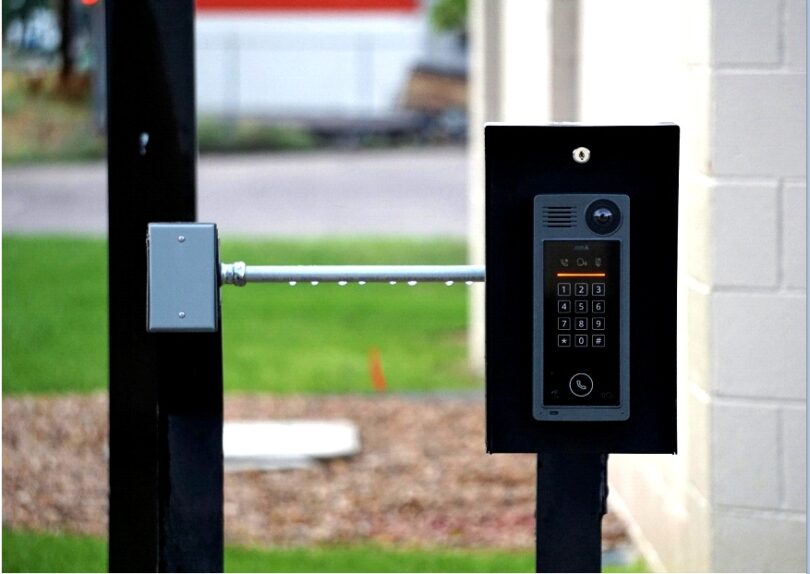

An often-overlooked feature of many organizations and businesses is their communication system. This is typically an external system of some sort, with physical speakers and other sorts of microphones or headsets involved. While we don’t often think about them, they’re quite a critical part of an organization’s infrastructure.
Of course, there’s a lot to understand when it comes to intercoms and speaker systems as well. That’s why we’re here —to offer you a guide to these things! To learn more about intercom speakers paging system from a trusted source, make sure to stick around!
What are Intercoms?
Naturally, before we delve into some of the particulars here, we should get a basic idea of what these systems are. For our purposes today, we’ll define them as devices that allow people to communicate with each other over a distance, typically within a building or a confined space. Sometimes they’re used across multiple buildings, such as on a school or college campus.
Some other terms used to refer to them are public address systems or loudspeakers – so, if we use the phrases interchangeably, now you know why!

Places They’re Used
Now that we’ve explained the basic principles of intercom systems, let’s take a look at some of the common places where they’re used. This may give you an idea of if these sorts of systems will be appropriate for your organization!
Public Spaces: These are probably the spaces where we’re most familiar with intercom systems by default. Some examples of them include shopping malls, airports, train stations, and sports stadiums. Essentially, if announcements need to be made to large groups of people, then there’s a good chance of an intercom system being present.
Industrial Settings: Comparatively, we don’t often think about these spaces as being the right place for a speaker system, but you might be surprised by their effectiveness. Common examples are factories, warehouses, and construction sites. The purpose of the speakers in these spots is to provide workers with necessary updates or emergency broadcasts.
Educational Institutions: This is another fairly obvious one – places like elementary schools, middle schools, high schools, colleges, and universities are primary candidates for utilizing intercom systems. After all, announcements frequently need to be made both to students and staff alike.
Healthcare Facilities: This is somewhat different than our former entries. It includes spaces like hospitals, nursing homes, and clinics. Usually, these organizations use intercoms to communicate amongst staff, rather than with patients – but there are always exceptions of course.
Commercial Spaces: For our final category, we’re discussing another fairly obvious use of speaker systems. Office buildings, restaurants, and hotels are prominent examples, as employees need to be able to communicate with each other quickly and effectively.
Of course, these are not the only areas where these systems can be used. Rather, they’re just common or “good” examples of where you can find them, as well as where they might be needed, as you can read about here: https://www.mdpi.com/2673-4001/3/4/36.

Components of an Intercom

Now that we’ve covered some of the basic aspects of these systems, let’s turn our attention to what the components and features involved could be. Just remember that some of these may differ depending on the brand and model you end up with – it doesn’t hurt to do your research before making a big purchase. Use this list to look for features you want out of your system.
Central Control Unit: Typically, this is some sort of panel or unit that allows for the announcements to actually be made through a microphone of some kind. While they sound grand and huge on the service, they don’t have to be —many of them are quite small and compact, in fact.
Speakers: Obviously, the next component is the speakers or loudspeakers. They should be installed anywhere that the organization wants the announcements being made to be heard —an example is classrooms in a school or staff rooms in a hospital.
Routing System: With any intercom system, there will be some form of system for routing the audio signal from the control unit to the speakers. It’s an integral factor but can feel a bit more nebulous until you actually perform the installation—it’s probably not a component to linger on for too long, at least.
Features
We hinted at this earlier, but now it’s time to look at some of the key features that a speaker system might have. Papers like this one explore them, just keep in mind that some of them may end up costing a bit more than others.
P-T-T (Push to Talk): This technology has become a lot more popular lately, likely due to its usefulness in terms of accessibility as well as convenience. With these systems, it allows for users to swap quickly between listen mode and talk mode, so communication can go more smoothly in chaotic moments.
Two-Way Communication: Not all models come with this option, but it can be really useful in medical facilities and factories. This allows for any users to receive messages and send them – it’s more flexible.
Audio Recording and Playback: Again, not all intercoms will come with this feature, but it can be quite nice in some situations. If you want one that’s able to record and play back audio, you’ll want to search for that specifically.
Integration: As far as convenience goes, this is one of the best options for an intercom system. Essentially, some of these speakers are able to integrate with pre-existing technology that you’re using for your organization such as phones or computer networks. Any IT department should be able to handle the installation of that, if you aren’t sure how to do it yourself!
Overall, there are a lot of options available when it comes to intercoms. Some of them connect to Wireless networks, some are wired, and some work off of IP systems. The wide variety of features available also means that they’re flexible and easy to install for any organization who wants to up their communication game.