

Wedding gifts can be tricky when cultures collide. Finding one that respects both traditions and personal taste makes all the difference. Imagine you’re invited to a wedding where one half is Japanese and the other half is Brazilian. How do you do it?
Learning about the various cultural customs surrounding wedding gifts adds a personal touch that the couple will treasure. It shows you’ve put thought into their special journey. From practical items to symbolic treasures, choose wisely and you’ll build stronger bonds and memories that last.
Celebrating Diversity in Wedding Traditions
Looking into cross-cultural wedding traditions is fascinating. Each culture has its own customs and symbolic gifts to add to the celebration of love around the world.
Cultural Meaning
Wedding traditions are rooted deep. When choosing a gift, you need to know the cultural meaning behind it. For example, in Chinese weddings, red envelopes with money (hongbao) mean prosperity and good luck. In Indian weddings, gold jewelry means purity and wealth.
Knowing these traditions shows you respect and acknowledge the couple’s background. This thoughtfulness will strengthen your bond with the couple and their families and add extra meaning to your gift.
Regional Variations
Each region has its own customs that reflect its culture. In Japan, the couple drink sake together in a ritual called “san-san-kudo” which means unity and commitment.
In Greece, the couple might wear crowns called “stefana” which means glory and honor. In Jewish weddings, the couple stand under the chuppah which represents the home they will build together and break a glass at the end of the ceremony which means the fragility of life and the commitment to stand together through its challenges.
These regional variations show the many traditions around the world. Knowing and accepting these customs will make your participation in the wedding more meaningful and special. For example, giving Rosh Hashanah gifts like Shofars during Jewish celebrations shows you’re thoughtful and respectful of their traditions.
Knowing and honoring these customs will help you avoid cultural blunders and show you really care about their heritage.
Gift Giving Etiquette Across Cultures
When giving wedding gifts across cultures, you need to navigate cultural expectations and add personal touches that mean something and respect.
Cultural Do’s and Don’ts
Knowing the specific cultural norms is key to gift giving. In Japan, it’s polite to give gifts with both hands and to wrap them beautifully. Don’t give gifts in sets of four as the number four means death.
In Italian cultures, practicality is key and they often prefer cash or items on the registry. Present your gift nicely to show effort and thoughtfulness.
In India, giving sweets and other edible gifts is auspicious. Don’t give gifts made of leather as cows are sacred and using leather is considered disrespectful.
Chinese culture is all about presentation. Red and gold means good luck and prosperity. Don’t give clocks as gifts as ticking objects are considered bad luck.
Personalisation and Meaning
Adding a personal touch to your gift will show more respect and understanding. Consider including a handwritten note that acknowledges their traditions and your relationship with the couple. For example, a gift related to a shared experience or interest will make the gesture more meaningful.
Include traditional elements from both cultures. If the couple has Western and Eastern heritage, combine both in your gift choice.
Personalizing doesn’t mean expensive. Thoughtful choices like custom artworks or family heirlooms will have a lasting impact. Customizing your gift shows effort and acknowledges the richness of their cultural heritage.
By paying attention to details and cultural significance, your gifts will become treasured symbols of unity and respect.
Cross-Cultural Gift Ideas
When choosing wedding gifts for global couples, finding something that honors both cultures can be meaningful and special. Consider artisanal crafts, heirloom jewelry or unique travel experiences to celebrate their day.
Artisanal Crafts and Homeware
Handmade items carry deep cultural meaning and can combine traditions beautifully. Look for handcrafted textiles, pottery or wooden items that reflect both cultures.
Examples:
- Textiles: Embroidered linens from one culture and woven blankets from another.
- Pottery: A set of handmade ceramics with designs significant in both cultures.
- Wooden Crafts: A wooden box or custom furniture piece with symbolic motifs.
These will adorn the home and be a constant reminder of their heritage.
Jewelry and Heirlooms
Jewelry with cultural symbols or heirlooms passed down through generations can be very sentimental. Combining traditional designs from both cultures into one piece will be a beautiful and timeless gift.
Ideas:
- Custom Jewelry: Rings, necklaces or bracelets with cultural symbols or materials like jade from one culture and gold from another.
- Heirlooms: Family heirlooms from each side, like a watch from one family and a traditional brooch from another, can be reimagined.
Personalized jewelry pieces are wearable memories of their union.
Experience and Travel Gifts
Gifts that allow them to explore each other’s cultures and create shared memories. This can be travel packages, culturally specific events or classes.
Ideas:
- Travel Packages: A honeymoon trip to destinations important to both backgrounds.
- Cultural Classes: Cooking or dance classes teaching traditional skills from each culture.
- Event Tickets: Tickets to cultural festivals, concerts or exhibitions relevant to their heritage.
These will create lasting memories and strengthen their connection to each other’s traditions.
Love in the Details
When gifting for a cross-cultural wedding, presentation and symbolism is key. Unique and thoughtful wrapping will elevate the gift and traditional symbols will honor their heritage.
Gift Wrapping Ideas
Creative wrapping shows you’ve put effort into the gift. Use eco-friendly papers or fabrics like Furoshiki from Japan which can be decorative and sustainable. Color choices matter; red is lucky in many Asian cultures, while white is often reserved for weddings in the West.
Think outside the box and use hand-painted boxes or traditional baskets from the couple’s culture. Personalized elements like custom ribbons with the couple’s names or initials will add a personal touch.
Use crafting techniques like embossing or hand-stamping to make the packaging pop. These small details will not only make it look beautiful but also show respect and recognition of their diverse cultures.
Traditional Symbols
Using traditional symbols from the couple’s culture can be very meaningful. For example, you might use a red string for Chinese weddings to symbolize the red thread of fate. Elephants are significant in Indian culture, they represent strength and good luck.
If the couple have Celtic roots, knots or crosses can be relevant. For Lebanese heritage, you could include cedar tree motifs, representing history and strength.
Combine symbols from both cultures when you can. For a Chinese-Greek wedding, you could combine the double happiness character with olive branches. These little details show you’ve put thought into their backgrounds and traditions.
Conclusion
Cross cultural wedding gifts require thought, respect and a genuine appreciation for the couple’s different backgrounds. By understanding and respecting their traditions you can give gifts that celebrate their union and your relationship with them.
Whether it’s personalized items, artisanal crafts or meaningful experiences your thoughtful gift will be a symbol of unity and respect. By embracing these cultural differences your gift giving will be more enjoyable and the couple will have a keepsake for their journey together.
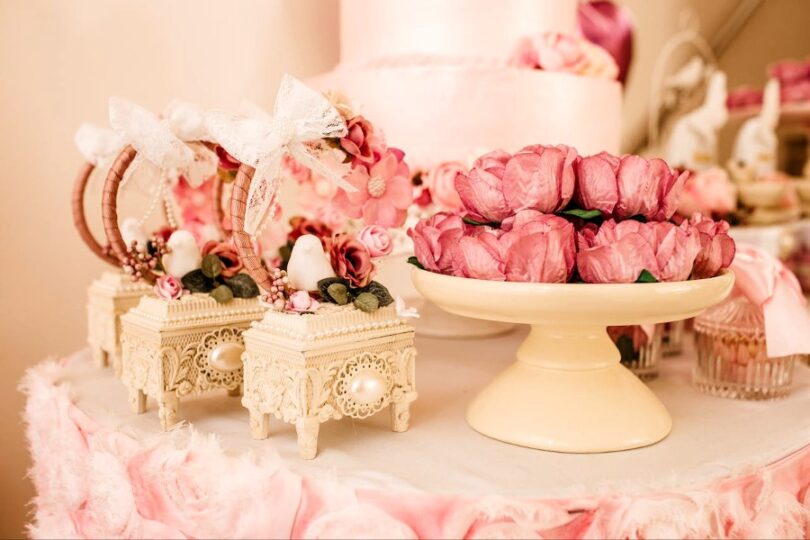
Photo by Jonathan Borba.