
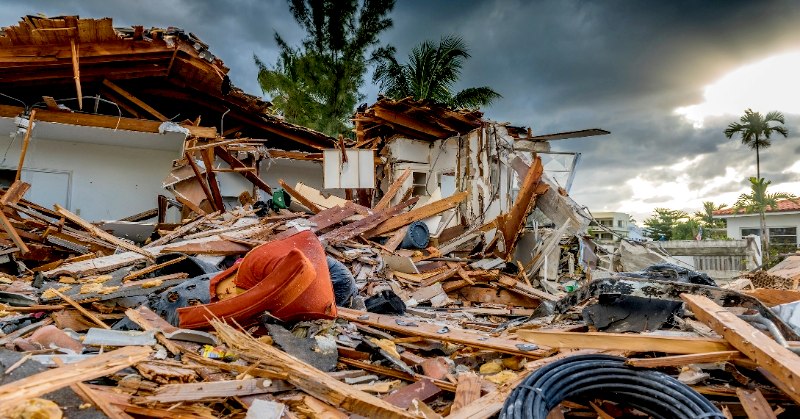

Unsure who’s responsible for hurricane damage in your apartment? Our guide clarifies roles & offers actionable steps for recovery.
When hurricanes strike, they leave a path of destruction that can affect millions of people, including those living in apartment complexes. One of the primary concerns that arise after such natural disasters is determining who is responsible for the damage to the apartments: tenants or landlords? This blog post aims to provide a clear understanding of the responsibilities and liabilities in the event of hurricane damage to rental properties.
Understanding Apartment Lease Agreements
The first step in determining accountability lies in the apartment lease agreement. This contract should contain clauses that specify who is responsible for various types of damage, including damage caused by natural disasters. While tenants are typically responsible for minor repairs and maintaining the property in good condition, landlords are generally responsible for structural repairs and significant damages.
However, specifics can vary greatly depending on the terms set out in the lease. It’s important for both tenants and landlords to thoroughly review their lease agreements and understand their respective responsibilities.
Landlord Responsibilities
The responsibilities of landlords in the wake of hurricane damage are laid out primarily within the lease agreement and local laws. By understanding these obligations, landlords can better manage repairs and ensure tenant safety.
Structural Integrity
Landlords are usually responsible for maintaining the building’s structural integrity, including the roof, walls, and foundation. If a hurricane damages these elements, the landlord must repair issues like roof leaks, broken windows, and plumbing or electrical problems. For expert restoration services, visit https://fine-restoration.com/.
Insurance Coverage
Most landlords carry insurance policies that cover damage caused by natural disasters like hurricanes. This insurance usually covers structural damage to the building itself but not the personal belongings of the tenants. Landlords should have a clear understanding of what their insurance policy covers and ensure they are adequately insured.
Tenant Responsibilities
Tenants are usually responsible for their personal property. If a hurricane damages or destroys a tenant’s belongings, the landlord is not liable unless the damage was due to the landlord’s negligence (e.g., not fixing a known roof leak). Tenants are often advised to carry renters’ insurance to protect their property.
Renter’s insurance is a valuable safeguard for tenants. It can cover the cost of replacing personal belongings damaged by a hurricane, as well as provide temporary housing if the apartment becomes uninhabitable. While not always required, having a renter’s insurance is a smart move that can save tenants from significant financial loss.
Shared Responsibilities
Common areas, such as hallways, lobbies, and recreational facilities, are typically the responsibility of the landlord. However, tenants need to report any damage they observe in these areas to the landlord as soon as possible. Prompt reporting can help ensure that repairs are made quickly, minimizing inconvenience and potential hazards.
In the event of a hurricane, both landlords and tenants have roles to play in ensuring safety. Landlords should provide clear evacuation plans and maintain safety equipment (e.g., emergency lighting, and fire extinguishers). Tenants should follow the evacuation plans and take necessary precautions to secure their personal property.
Legal Considerations
Local laws and regulations can influence who is responsible for hurricane damage in apartments. In some areas, specific laws may define the responsibilities of landlords and tenants during natural disasters. It’s important for both parties to understand these regulations and their potential impact on obligations.
Lease agreements might include clauses specifically addressing natural disaster scenarios. These clauses can detail the landlord’s and tenant’s responsibilities if hurricane damage occurs. For example, a lease might state that the landlord is responsible for repairing structural damage, while the tenant is responsible for their personal property.
Sometimes, responsibilities may not be clearly defined, requiring negotiation between the landlord and tenant. Open communication can help both parties reach a mutual agreement on how to handle the situation, particularly if the lease agreement does not clearly outline responsibilities for hurricane damage.
Steps to Take After Hurricane Damage
Clear steps and prompt actions can greatly assist in the recovery process after hurricane damage. The following sections detail important steps for both landlords and tenants to take right after a hurricane has passed.
Document the Damage
Both landlords and tenants should document any damage caused by a hurricane as soon as it is safe to do so. Taking photos and videos of the damage can provide valuable evidence for insurance claims and any potential disputes about responsibility.
Contact Insurance Providers
Tenants with renter’s insurance should contact their insurance providers to start the claims process for their personal property. Landlords should do the same for their property insurance to cover structural damage.
Notify the Other Party
Tenants should notify their landlords of any structural damage to the building, and landlords should inform tenants of any steps they need to take. Clear and prompt communication can help ensure that repairs are made quickly and efficiently, reducing the overall disruption caused by the hurricane.
Conclusion
Determining accountability for hurricane damage in apartments involves lease agreements, insurance policies, local laws, and communication between landlords and tenants. Tenants should carry renters’ insurance and understand their lease agreements to protect personal property, while landlords must ensure proper insurance coverage and maintain property integrity. Both parties need to collaborate to address damage, prioritize repairs, and ensure safety.