
This nifty article will teach you (almost) everything you need to know about the alcohol volume of your drink, when it’s safe to have more than one, and when it’s time to opt for that Uber ride home. Which, by the way, should ALWAYS be your rule when enjoying a few drinks. Yes. Even if it’s just one. It’s not worth the risk, so don’t be that person.Â
Right, moving on. Our preachy “be a responsible drinker” part is done. Yay!
We also cover some cool stuff, like one of the biggest trends to hit us since veganism. (Yeah, we didn’t think that was possible either, but here we are). We’re talking about low alcohol cocktails and mocktails and how alcohol-conscious drinkers can get in on this massive Gen-Z trend that has taken the world by storm.Â
 It’s a lot to cover, so let’s get cracking.Â
ABV What?Â
For those of you who don’t know, ABV stands for Alcohol by Volume. The higher the number, the boozier and more potent the drink. Did you know that you’re over the legal limit in the US if your blood alcohol content (BAC) exceeds 0.08%? Â
To put that into perspective, let’s explain it like this: your BAC goes up by 0.02% for every standard drink you consume. But this is highly dependent on the drink you’re having. There’s no chance you can have four martinis and still be under the limit. In this calculation, one standard drink will be a 12 oz beer, one 5 oz glass of wine, or a 1.½ oz shot of distilled spirits, like whiskey, vodka, or rum. But there’s another variable to keep in mind: body weight. As well as other confusing science-y things that we won’t bore you with.Â
The Difference between ABV and ProofÂ
Chances are you’ve seen two numbers on spirit bottles. The first, ABV (explained above), is mostly the international standard, and the second is proof. This type of alcohol measurement varies worldwide.Â
This way of measuring alcohol dates back to the 16th century when the English government put an additional tax on “proof spirits,” or spirits that contained a relatively high amount of alcohol. And how did they estimate that number back then? By soaking a gun pellet in the liquor, then igniting it. If it caught fire, the drink was strong enough to justify adding extra tax. Pretty groovy job, if you ask us. (On a government level, that is).Â
Proof by CountriesÂ
In the UK, calculations are a little tricky. A 100-proof liquor comes to around 57% ABV. The ratio of proof to ABV is 4 to 7. So if you multiply the ABV by 1.75, you get the proof. We told you. Tricky.Â
In the US, things are a bit simpler. The rule of thumb is that proof is double the ABV. So, for example, if the average bottle of rum is 36% ABV, then it is 72 proof. So a proof spirit is 100 proof (50% ABV) or higher.
Finally, the French have the most fail-proof method (see what we did there?). Developed in 1824, 100% ABV equals 100 proof. So ABV percentage and poof are the same things in Francaise. One of the few things they kept uncomplicated! Merci.Â
The ABV of your Favorites
Now that you know what ABV is, here’s a breakdown of your favorite drinks and their ABV percentage.
- Bourbon/Whiskey: 36 – 50%Â
- Vodka: 40 – 95%
- Rum: 36 – 50%
- Gin: 36 – 50%
- Tequila: 40 – 50%Â
- Fortified wine: 16 – 24%
- Unfortified wine: 14 – 16%
- Liqueurs: 15%
- Beer: 4 – 8%
- Ciders: 4 – 12.5%
When it comes to cocktails, things get a little muddled. Here’s an ABV list of some of the most popular cocktails ordered in the US to give you an idea.Â
- Margarita: 26 %Â
- Martini: 30%Â
- Old Fashioned: 32%
- Mimosa: 10%Â
- Moscow Mule: 11 %Â
- Negroni: 24%
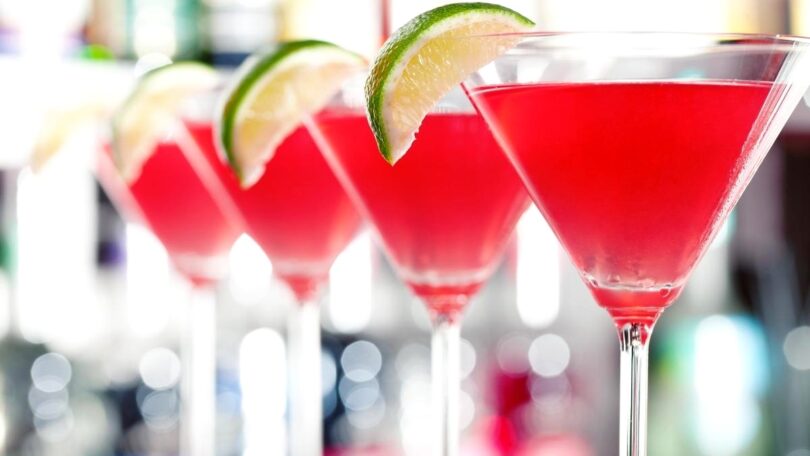
- Cosmopolitan: 27%
- Manhattan: 30%Â
- Pornstar Martini: 15%Â
- Long Island Iced Tea: 22%Â
Low-Proof CocktailsÂ
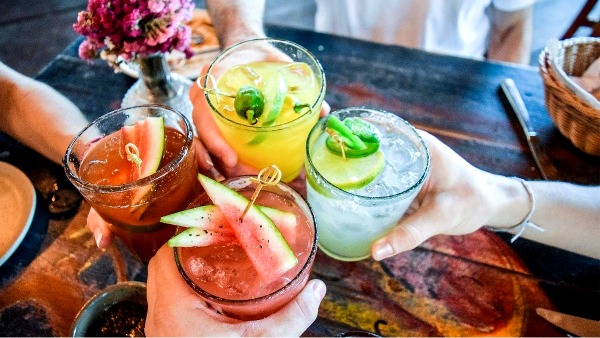
No, and low alcohol trends are going strong. While higher ABV cocktails are definitely still popular with many, ordering or making your own low alcohol cocktails has become very sought-after. If you want to jump on this trend, serve up Pornstar Martinis, Espresso Martinis, Kir Royales, and Americanos (a lighter spin-off of the Negroni) at your next dinner or cocktail party. Less alcohol isn’t the only thing on consumers’ minds. In fact, not drinking alcohol at all is at the top of Gen-Z’s drinking preferences. We promise you, it’s more exciting than it sounds. Mocktails are massive—and not just in sober October. Impress your guests with some wonderfully fragrant non-alcoholic drinks. It’s an exciting space: You can join the virgins club (Virgin Daiquiri, Virgin Margarita, and Virgin Mary), make the classics like the Shirley Temple, or try new, exciting inventions like the Ginger Blueberry Cooler and Cucumber Quencher. One thing is clear: there will be no more mocking the mocktail. (At least not for now).Â
For more tips and inspiration on cocktails and special occasions visit The Mixer.