
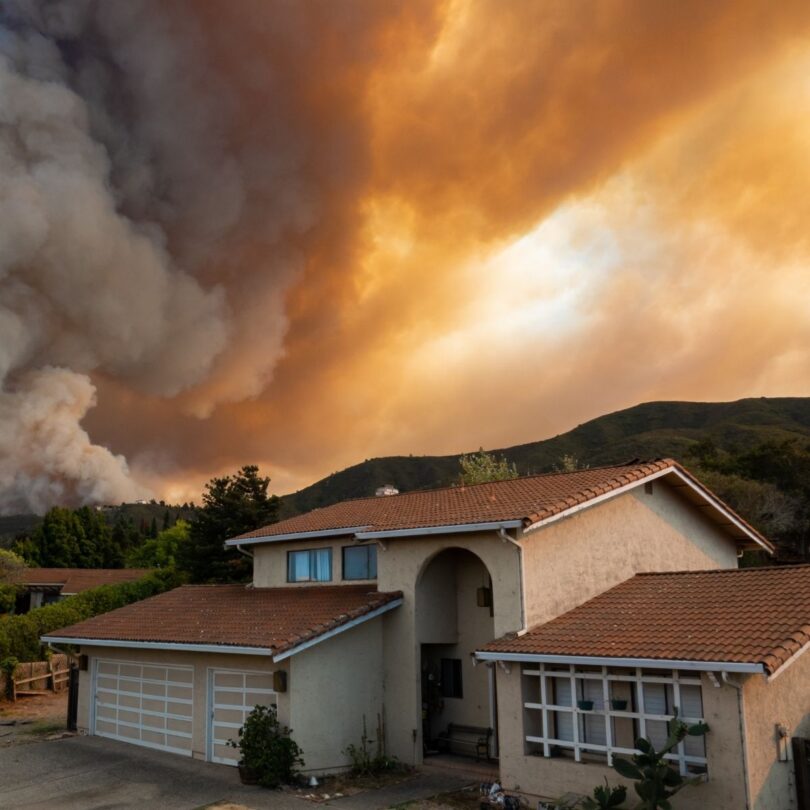

Wildfires are highly destructive forces that consume hundreds of acres of land each year. In addition to impacting wildlife, they can also have a devastating effect on many families and their homes. If you had to evacuate your home due to a wildfire and are planning on returning, there are a few things that you should know to stay safe and avoid any issues with your insurance agency. Here are some of our top tips on returning to your home after a wildfire.
Wait to Return Until Authorities Say It’s Safe
First and foremost, you should always wait to return to your home until authorities have said it’s safe to do so. Even after a wildfire has been put out, pockets of heat may remain in the ground; they can pose a serious safety threat and may even cause the fire to reignite. As such, even if you think conditions are safe enough to return, refrain from re-entering your home until local fire officials have given you the go-ahead.
Remain Vigilant For Potential Safety Risks
Another tip on returning to your home after a wildfire is to familiarize yourself with the key safety risks that may remain. Even if a local fire official has deemed it safe to re-enter your home, several potential hazards may still exist. As such, you should remain vigilant and keep an eye out for any of the following:
- Hot spots: As previously stated, hot spots may remain around your home even after a fire has been extinguished. These spots can burn you and pose a risk of reigniting a fire.
- Weak trees, power poles, and other tall objects: During a wildfire, trees, power poles, and other large objects may have lost stability and are more likely to fall over.
- Smoke and embers: Keep an eye out for any smoldering debris, ash pits, or live embers that may remain in or around your home following a wildfire.
- Flash floods: After a wildfire, flash floods are far more likely to occur since the scorched ground can no longer absorb water as well.
- Gas leaks: When returning to your home, make sure to turn the power off until after you’ve completed a thorough inspection. If you notice any gas smells, you may have a leak and should leave the premises.
Wear Proper Protective Gear While Cleaning
Due to the many safety risks listed above, it is important to wear proper protective gear while cleaning or simply walking through your home after a wildfire. For example, you should wear leather gloves and thick-soled shoes to protect your hands and feet. In addition, wear a dust mask to minimize your inhalation of hazardous particles.
Document the Damage
Prior to cleaning your home or throwing anything away, take some time to document any damage that has occurred. By taking photographs of the damage and creating an inventory, you can make the process of filing an insurance claim much easier.