
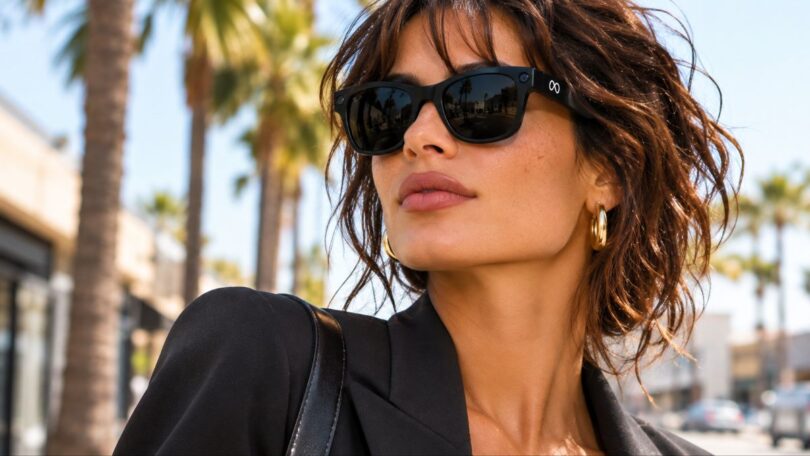

Celebrities have been putting their names on clothing collections for decades. Some have made a fortune from it, while others have disappeared from the fashion scene almost as quickly as they arrived. But having a famous name on the label doesn’t always mean that person had much to do with designing the clothes.
Some celebrities are involved from the beginning. They attend fittings, discuss fabrics, change designs they aren’t happy with, and have a say in what eventually reaches stores. Others are happy to leave most of those decisions to the people working behind the scenes.
Celebrity fashion businesses have generated more than $3 billion in revenue, according to a Digitaloft report covered by Sourcing Journal. But a successful launch and a successful fashion business aren’t necessarily the same thing.
Customers might be curious enough to buy something because their favourite celebrity is involved. Keeping their interest is another matter. The clothes still need to look good, fit well, and offer something people want to wear.
These five collaborations show what can happen when celebrities take an interest in the design itself, rather than simply lending their names to a collection.
Victoria Beckham’s Label, Built Slowly
When Victoria Beckham launched her fashion label in 2008, plenty of people were sceptical. She was famous for her music career and personal style, but that didn’t automatically convince the fashion industry that she could build a serious clothing business.
Beckham continued working on new collections, gradually earning recognition for her designs. In 2011, her label won Designer of the Year at the British Fashion Awards.
That was an important moment, although the business still had a long way to go.
A Netflix docuseries about Beckham later revealed how much money the company had lost over the years. Her collections were attracting attention, but that didn’t mean the label was making a profit.
Things eventually began to turn around. Sales increased by 52% to £89 million in 2023, while losses fell to around £200,000. By 2025, annual sales had passed £100 million.
It had taken more than fifteen years to reach that point.
Many celebrity clothing lines don’t survive beyond their first few collections. Beckham’s label went through years of financial difficulties, but she kept designing and developing the business.
Her celebrity status certainly helped people notice the brand when it launched. Building a lasting place in fashion, however, required much more than that.
Rihanna Works Her Way Up
Rihanna didn’t start out by launching a fashion label under her own name. Her first steps into the industry came through partnerships with brands that already knew how to produce and sell clothes.
In 2011, she worked with Armani on a collection. Two years later, she presented her first designs for River Island at London Fashion Week.
Rihanna later said that River Island gave her the freedom to create what she wanted. The partnership also proved successful for the retailer. According to The Telegraph, the collection increased River Island’s sales by four percent.
Her next major fashion partnership was with Puma, where she oversaw the women’s division and introduced Fenty x Puma.
Each project gave her more experience with the business side of fashion. She wasn’t simply appearing in advertisements. She was becoming involved in the decisions that went into making the collections.
By the time she launched Fenty Beauty in 2017, she had already spent years working with designers, manufacturers, and retailers.
The beauty brand opened with more than forty foundation shades, giving customers a wider selection than many established makeup companies offered at the time. It reportedly made $100 million in sales during its first few weeks.
That launch didn’t happen in isolation. Rihanna had already learned a great deal from her earlier partnerships, particularly about developing products and deciding which details mattered most to her.
Those experiences helped her move from collaborating with existing brands to building businesses around her own ideas.
Kanye West and the Sneaker That Sold Out in Minutes
The Yeezy Boost 350 didn’t look much like the colourful, heavily detailed sneakers that were popular when it arrived. Kanye West went in a different direction, using muted colours and a relatively simple design that people quickly began associating with him.
The shoes sold out within minutes of their release. By 2021, Adidas Yeezy sales had reached $1.7 billion.
Part of the appeal came from the limited releases. Getting hold of a pair wasn’t always easy, and that only added to the attention surrounding each new drop.
But the design itself mattered, too.
West had developed a particular look, with neutral colours, practical shapes, and a strong connection to streetwear. His collections were recognizable even when they didn’t have large logos or bright patterns.
He brought a similar approach to his partnership with Gap.
According to Gap, the Yeezy Gap hoodie set a company record for the highest online sales of a single item in one day. It was a fairly simple piece of clothing, but its shape and connection to West’s style made it stand out.
Both the Adidas and Gap partnerships ended in 2022. The influence of the designs, however, didn’t disappear with them. Loose-fitting streetwear, neutral colours, and understated sneakers continued to appear in shops and on the streets.
West wasn’t the only celebrity making enormous sums from fashion.
The same Digitaloft report credited The Jessica Simpson Collection with $1 billion in revenue. Her business appealed to a different audience, but it showed that successful celebrity fashion collections weren’t limited to musicians releasing highly anticipated sneakers.
In both cases, shoppers were buying more than a name on a label. They were buying clothes and accessories with a style they recognized and wanted.
Kim Kardashian Starts With the Fit
SKIMS launched in September 2019 with 36 pieces available in nine skin tones.
That was a noticeable departure from the limited colour choices many shapewear brands had offered for years. Kim Kardashian wanted the collection to work for people with different skin tones, rather than expecting everyone to choose from only a few shades.
Fit was another major consideration.
Shapewear is supposed to sit comfortably under clothing, but finding pieces that actually fit properly hasn’t always been easy. SKIMS focused on those everyday problems from its first collection.
Kardashian works with a professional team that handles much of the product development and production. She is involved in setting the creative direction and approving the finished designs.
The business has grown considerably since those early days.
In 2025, SKIMS raised $225 million at a $5 billion valuation and projected more than $1 billion in net sales for the year.
The company has also worked with several well-known names, among them Swarovski, The North Face, Dolce & Gabbana, Fendi, and Team USA.
These collaborations have allowed SKIMS to introduce different types of clothing and reach customers who might not have been interested in shapewear alone.
Still, the idea behind the original collection hasn’t been forgotten.
SKIMS began with a fairly specific problem: people wanted shapewear that came in more skin tones and fitted comfortably. What started as 36 items eventually became a business valued at five billion dollars.
Kardashian’s fame gave the brand an audience from the beginning. The products gave people a reason to return.
Kylie Jenner Designs a Pair of Glasses
In June 2026, Meta introduced three pairs of glasses under its own name: the Adventurer, the Fury, and the Starfire Kylie Edition. Prices started at $299, as Bloomberg reported.
Starfire was the company’s first pair of AI glasses designed with Kylie Jenner. Rather than creating something completely different from her usual style, the design took inspiration from the glasses she already liked wearing.
The frames have a slim oval shape and come in Classic Black and Dark Tortoise. There’s also a small gemstone detail on the right lens.
One of the less obvious decisions involved the nose bridge.
The adjustable metal nose bridge in the Kylie Jenner Meta glasses collection was designed so that it wouldn’t absorb foundation, something people who regularly wear makeup may appreciate. It’s a small detail, and probably not the first thing anyone would notice about the glasses, but it reflects a concern that wouldn’t necessarily come up in a standard technology design meeting.
Jenner’s voice can also be selected for certain Meta AI responses.
Starfire was priced at $399, $100 more than the entry-level models in the same range. The differences weren’t limited to the name attached to the product. Some of Jenner’s own preferences were incorporated into the frame.
The collaboration arrived as the market for AI glasses was expanding.
Research firm SAG forecast that more than 20 million AI glasses would ship worldwide in 2026, approximately 140% more than the previous year. The firm also viewed the Starfire launch as a sign that Meta was paying more attention to fashion and lifestyle, rather than presenting the glasses mainly as technology products.
Other companies have been working with fashion brands, too. Google announced partnerships with Warby Parker and Gentle Monster, both of which have established identities in eyewear.
That gives fashion designers and celebrities more opportunities to influence what these devices look and feel like.
Jenner’s involvement is a good example. The technology may be the reason the glasses exist, but the shape, colours, and smaller design details reflect the kind of eyewear she already wears.
Conclusion
Victoria Beckham, Rihanna, Kanye West, Kim Kardashian, and Kylie Jenner have all taken different approaches to working in fashion.
Beckham spent years building her label despite financial difficulties. Rihanna gained experience through partnerships before launching her own businesses. West developed a sneaker style that became closely associated with his name, while Kardashian started SKIMS with a clear idea of what she wanted to improve about shapewear.
Jenner’s eyewear collaboration shows how personal preferences can influence smaller design decisions, too.
Not every celebrity needs to become a full-time designer to have a say in a collection. Sometimes their involvement is in the overall look. Other times, it comes down to a particular fabric, shape, or detail that might otherwise have been overlooked.
A famous name can get people talking about a collection when it launches. What happens afterward depends much more on the clothes and accessories themselves, and whether people still want to wear them once the initial excitement has passed.